
Eastern Istria in Autumn: Grape Harvest, Warm Sea and Empty Coves
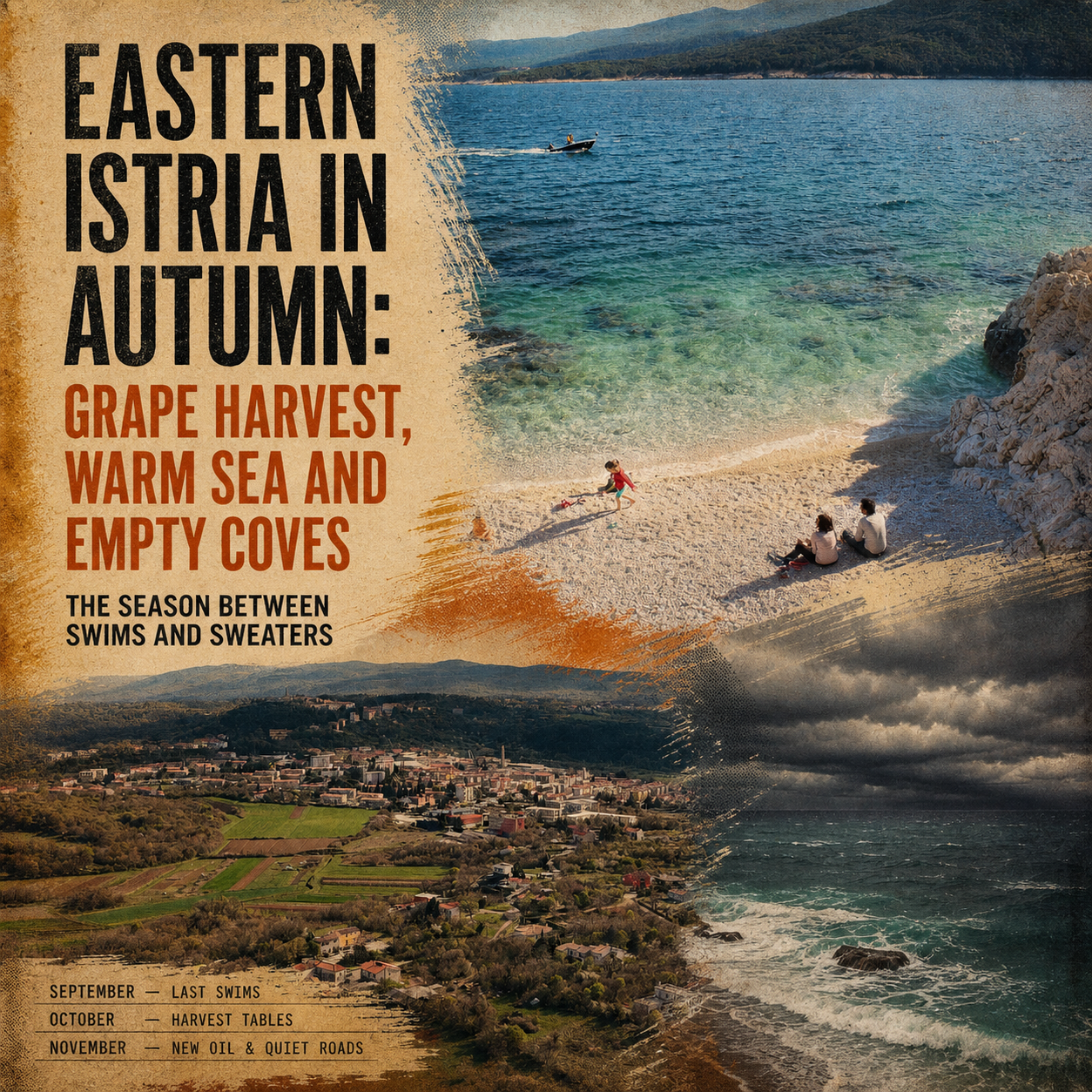
Autumn does not arrive in eastern Istria all at once. September can still feel like a quieter version of summer, with bright water and long afternoons on the coast. October shifts the attention inland, towards grapes, mushrooms, olive groves and tables that suit a light jacket. By November, the sea is often something to walk beside rather than enter, and the region settles into its most local rhythm.
That gradual change makes Labin and Rabac especially rewarding after the main holiday season. The hill town keeps its everyday life, the coast becomes spacious, and short drives connect blue coves with red soil and working fields. You are no longer choosing between a beach trip and a food trip. On the right day, you can have both.
This guide treats autumn honestly. A warm afternoon is possible, but not guaranteed. A swim may be glorious in September and optimistic in November. Some seasonal businesses reduce their hours, while markets, bakeries and neighbourhood cafés continue. The reward is not endless summer; it is a landscape changing pace in front of you.
Key Takeaways

Pack for Two Seasons
Bring swimwear, walking shoes, a warm layer and a light waterproof. Autumn can move from calm sun to wind and rain within hours.

Follow Conditions, Not the Calendar
September often offers the best chance of swimming, but judge the sea, wind and forecast on the day rather than expecting summer.

Choose the Month for Your Priority
Come earlier for coast time, in October for harvest atmosphere, or later for quiet roads, new olive oil and a more reflective stay.

Keep the Route Flexible
Build each day around one coastal and one inland idea, then reverse or replace them when the weather changes.
Why Autumn Works Differently Here
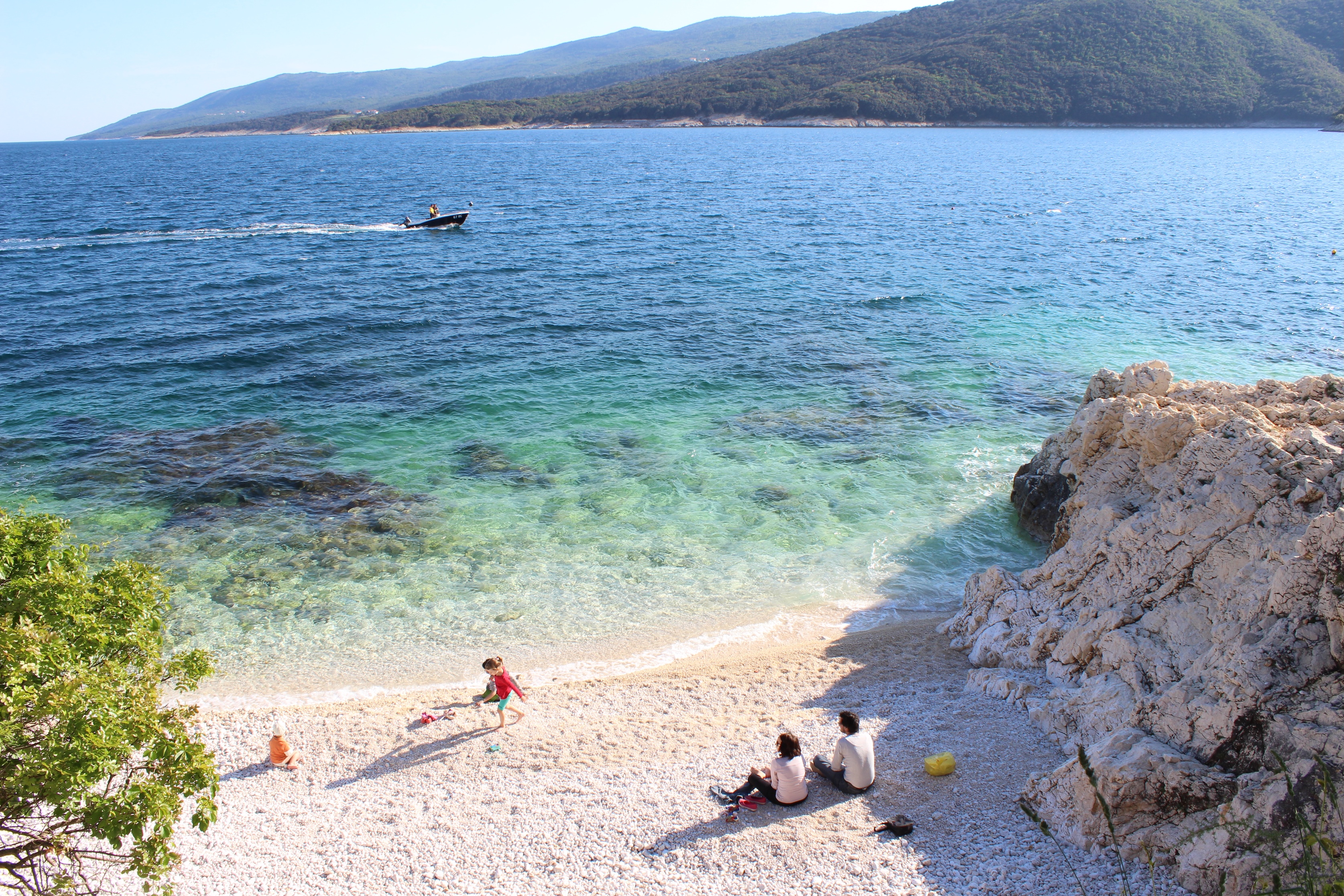
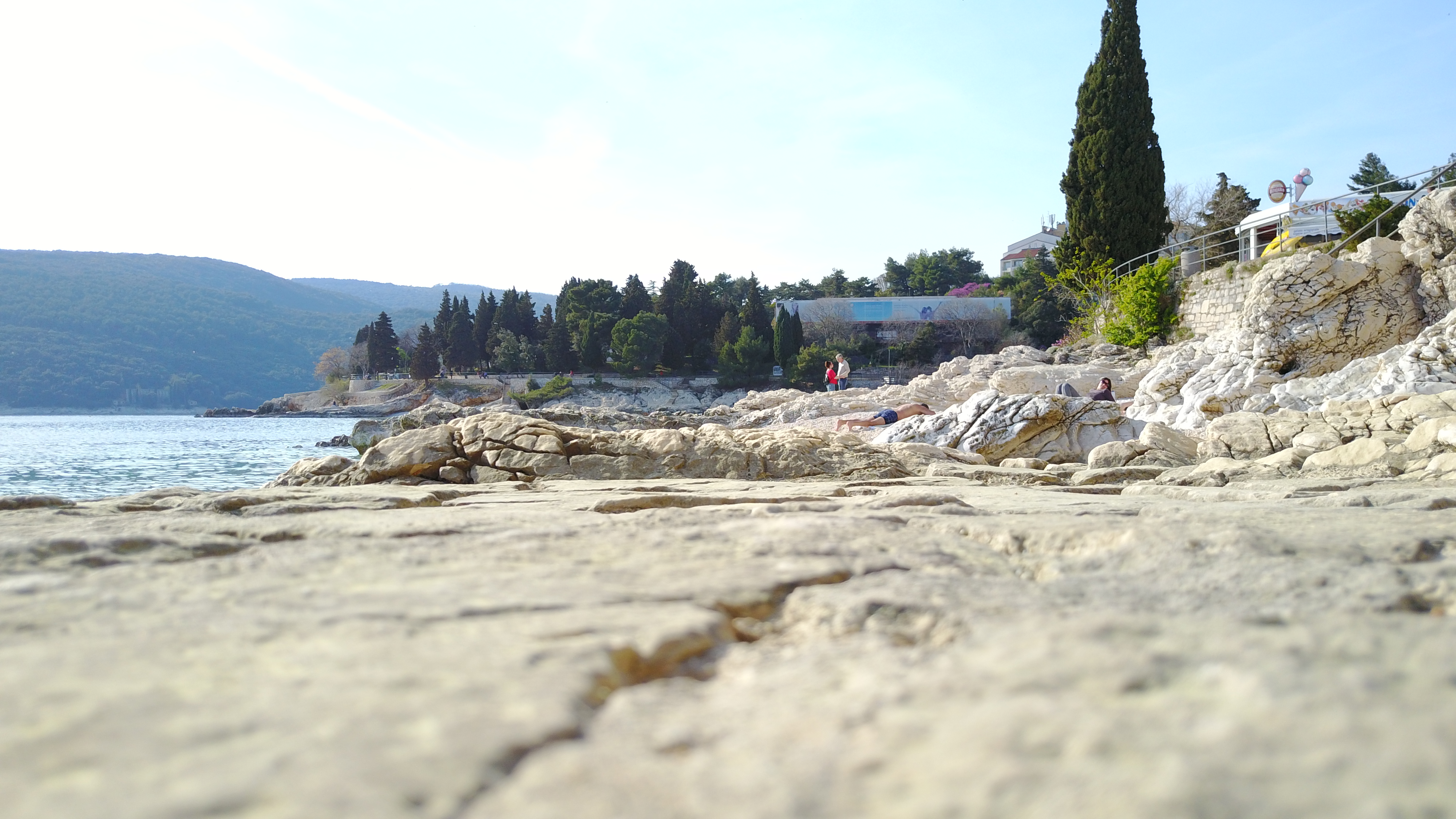
Eastern Istria has two landscapes pressed closely together. Rabac and the smaller coves along the coast face the Kvarner, while Labin sits above them among wooded slopes and cultivated ground. A drive of minutes can change the mood from salt and limestone to fields, vines and stone villages.
In summer, the coast naturally dominates. In autumn, the balance returns. The sea remains visible and sometimes swimmable, but it no longer dictates every hour. Cooler mornings make old-town walks comfortable. The low sun gives the coves depth instead of glare. Inland food traditions feel connected to the season rather than presented as entertainment.
There is also more room for improvisation. A quiet beach does not need a reservation or a complicated plan. If clouds gather over Rabac, spend the morning at the Labin morning market and return to the coast when the sky opens. If the bora clears the air but roughens the water, walk the shore and save swimming for another day.
September: Let the Sea Lead
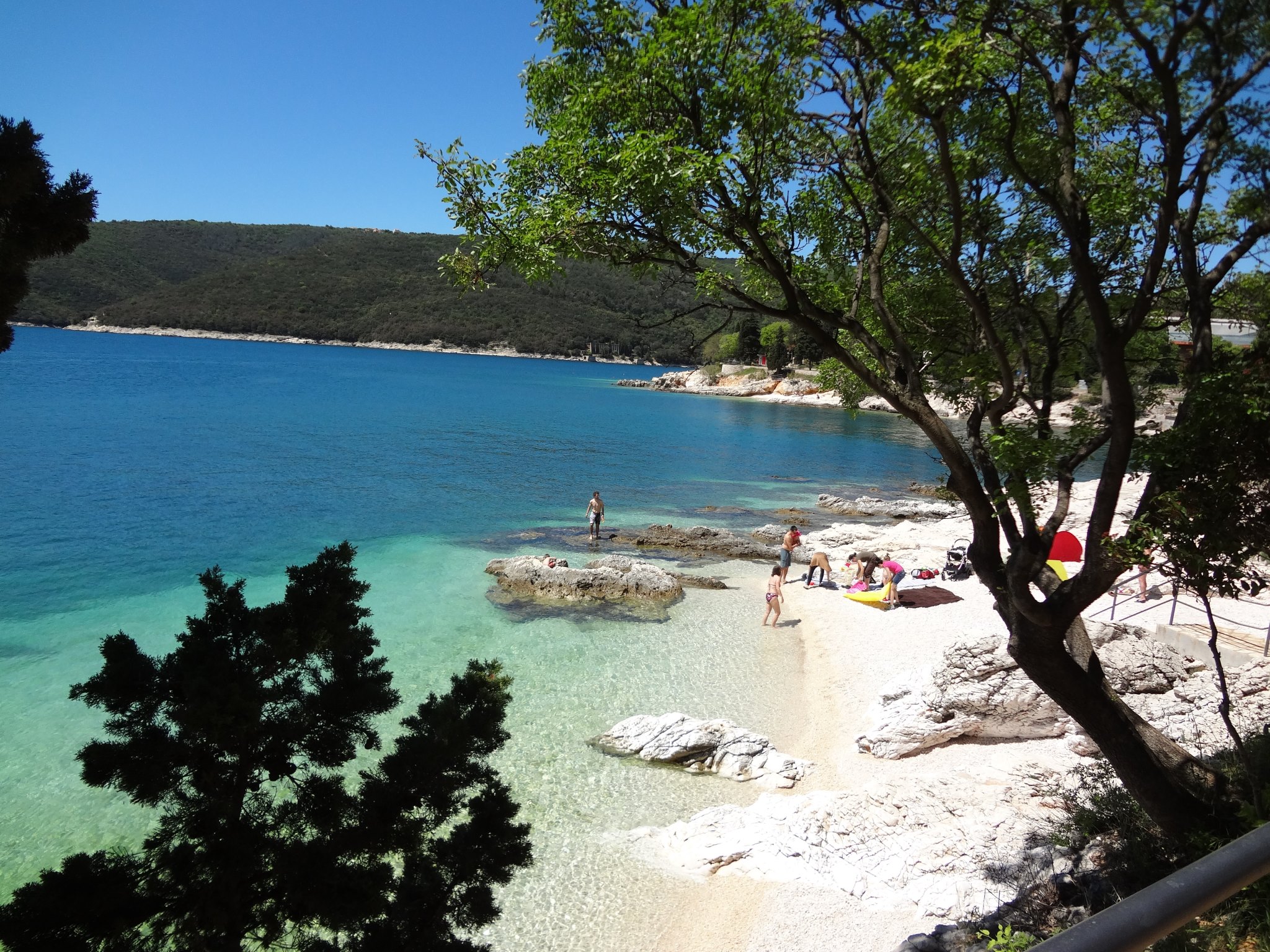
September is the easiest autumn month for travellers who still want a beach holiday. The days are shorter than in midsummer, but the coast can retain warmth and the water has had an entire season to heat. That does not make every day a swimming day: wind, rain and a passing weather system can alter conditions quickly. Check the local forecast and look at the actual sea before committing.
Start later than you would in July. There is less need to race for a place on the pebbles, and the sun becomes more pleasant as the morning develops. Bring water and sun protection even when the air feels mild. Many coves have little natural shade, and ultraviolet exposure does not disappear with the crowds.
September also reveals the practical difference between a destination and a resort season. Some beach services still operate, while others begin shortening hours. Carry what you need and never assume a kiosk, shower or rental station will be open. For a more detailed seasonal comparison, use our month-by-month guide to visiting Rabac.
September, October or November?
| Month | Best for | Expect | Plan around |
|---|---|---|---|
| September | Late swims and coast-first days | Mild conditions and more services | Occasional heat, storms and lingering visitors |
| October | Harvest atmosphere and mixed itineraries | Golden light, cooler evenings and changing weather | Shorter days and reduced coastal opening hours |
| November | Quiet roads, walking and local food | A lived-in region with very few visitors | Rain, wind and a smaller choice of tourist services |
October: Harvest Without the Performance
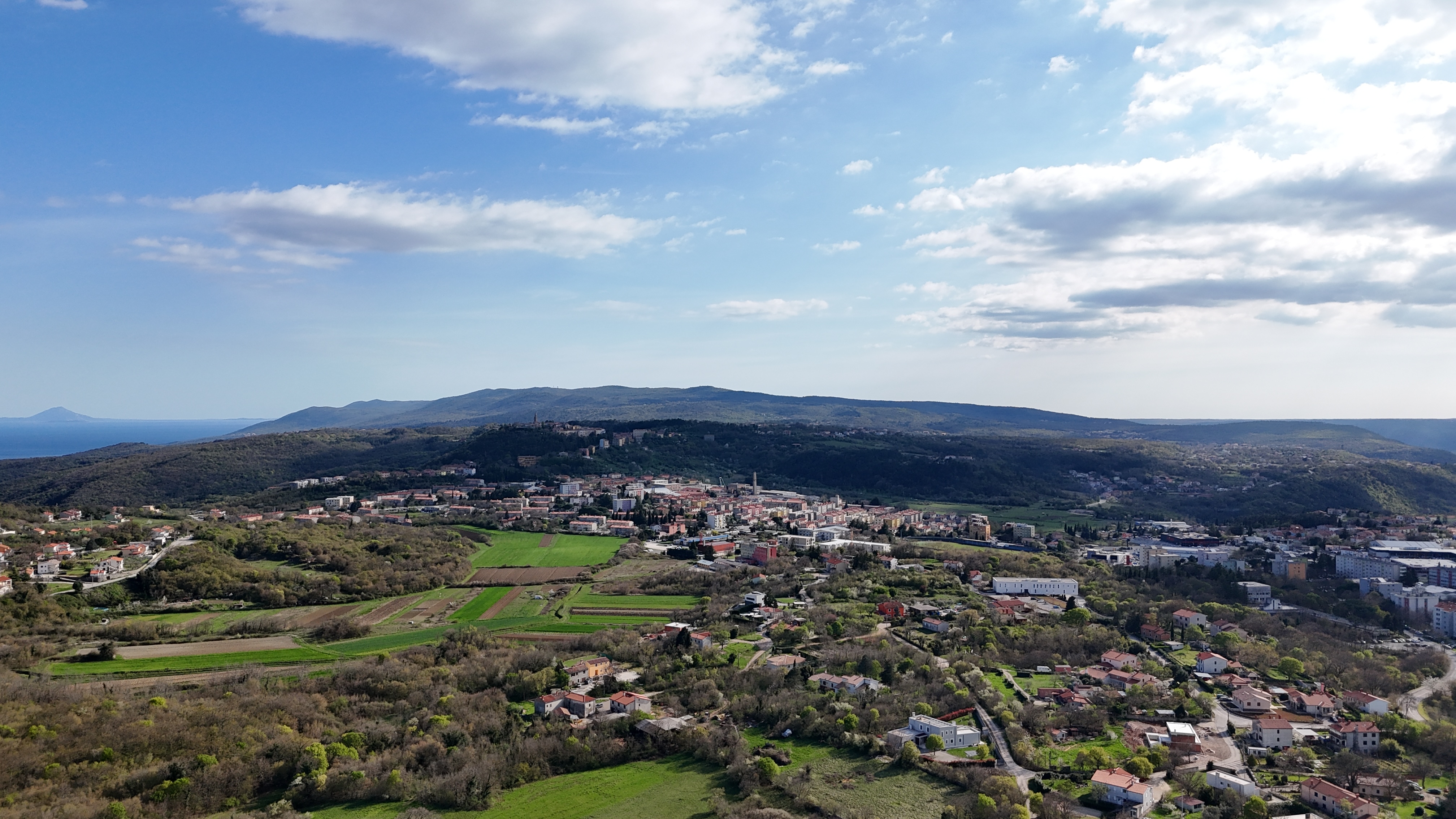
By October, the most interesting part of the trip often moves away from the water. Grape harvest dates vary by variety, vineyard and year, so do not expect to arrive on a fixed weekend and find every vine being picked. What you will find is a landscape whose work is visible: tractors on secondary roads, crates near farm buildings, recently worked soil and menus turning towards richer flavours.
Malvazija Istarska and Teran are the two names most visitors encounter first. Malvazija is generally associated with fresh white wines, while Teran is a native red variety with pronounced acidity and dark-fruit character. Our guide to Malvazija, Teran and Istrian wine around Labin explains the styles without requiring a technical tasting vocabulary.
Arrange winery visits rather than appearing unannounced. Harvest is work, not a backdrop, and smaller producers may be busy in the vineyard or cellar. If a tasting is available, designate a driver or use a booked transfer. The best autumn encounter is often modest: a short conversation, one or two wines, local cheese or cured meat, and time to understand how red soil, altitude and exposure change within a small area.
Truffles: Keep the Geography Honest
Autumn in Istria is frequently reduced to a single word: truffles. The famous white-truffle heartland lies farther north around the Mirna valley and Motovun forest. Official regional material also describes truffle terrain extending southeast along the Raša River in the Labin area, but that does not turn every woodland walk into a truffle hunt.
Wild truffles are found with trained dogs and experienced handlers. Entering woodland alone to search is neither a realistic visitor activity nor a respectful way to approach private land and regulated harvesting. Book only with an established guide, confirm where the experience takes place and wear proper footwear. A restaurant dish or a visit to an official autumn event can be a more honest introduction than a staged “hunt.”
October is an important month for white truffles, and the wider Istrian autumn calendar brings together Teran, truffles, mushrooms, chestnuts and new olive oil. Treat these as a regional network of traditions rather than claiming they all originate in one forest beside Labin. Eastern Istria belongs to that food landscape, but it has its own coastal and mining identity as well.
Empty Coves, Not a Summer Service Level
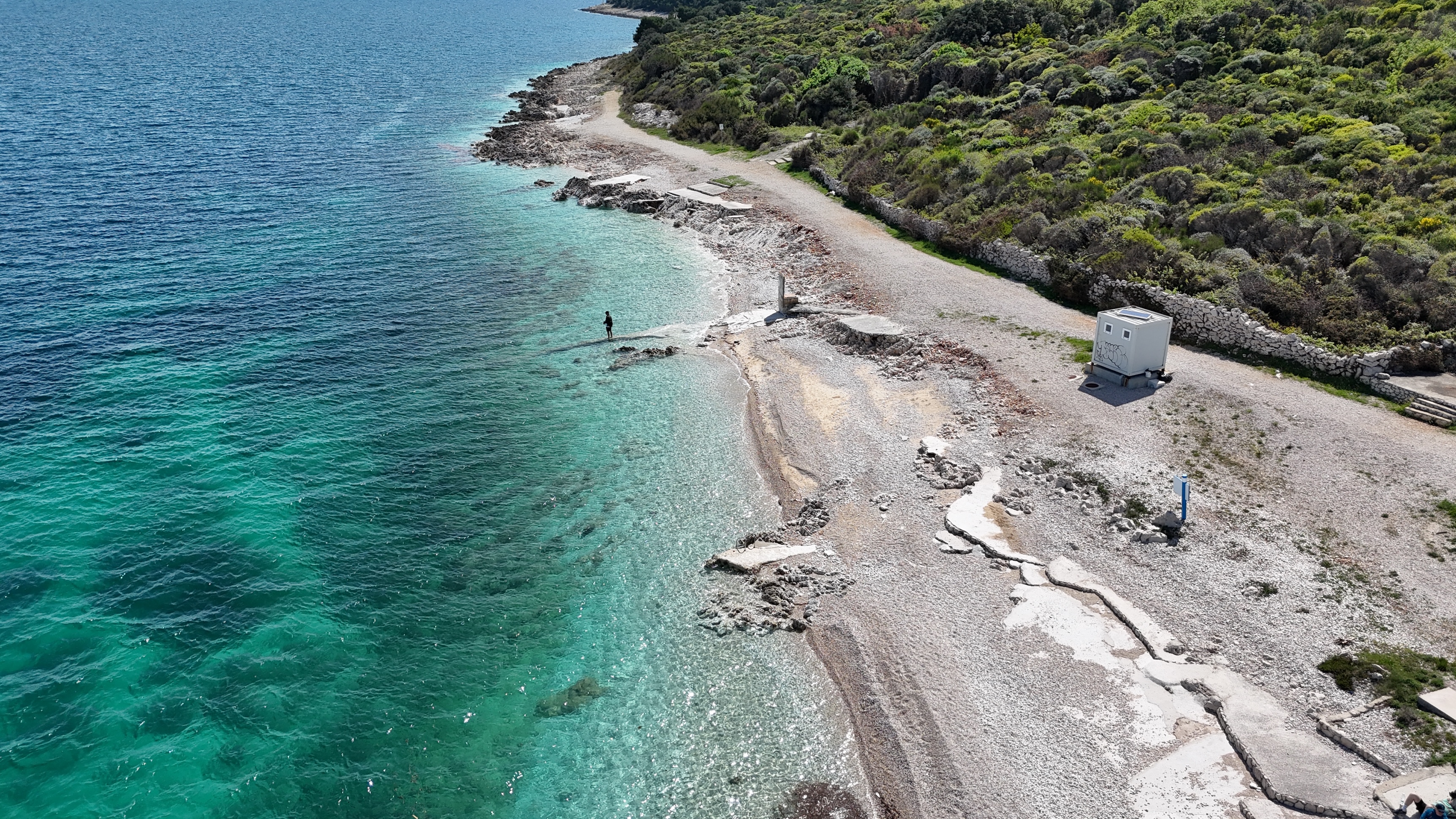
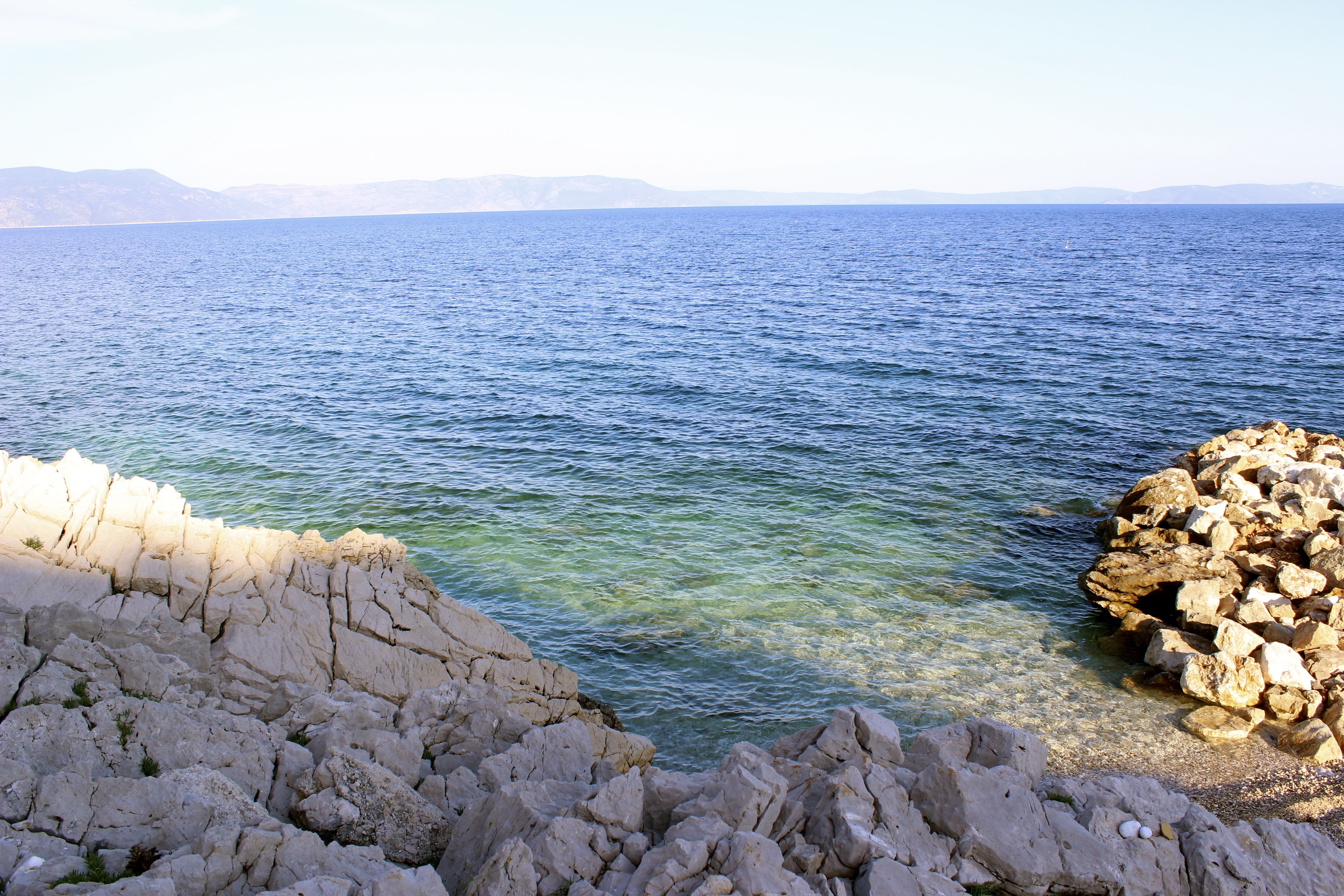
The photograph people want from autumn is real: a pale pebble shore, clear water and almost nobody else. The trade-off is that the infrastructure around it may be asleep. Changing cabins, cafés, beach bars, boat rentals and showers can be closed. Mobile reception can be inconsistent below steep slopes, and the sun leaves some coves early.
Pack as if the beach were simply a piece of coast. Carry water, food, a dry layer, sturdy footwear and a bag for your rubbish. Check the return path before settling down. Wet limestone is slippery, and a route that feels casual in August can become uncomfortable after rain or near dusk.
Do not read “empty” as “risk-free.” Swim only when conditions suit your ability, avoid entering alone in rough water and remember there may be no lifeguard. In cooler months, the shock of the water and wind after swimming matter as much as the temperature while you are in it. Sometimes the correct autumn beach day is a walk, a picnic and no swim at all.
When the Weather Turns, the Coast Gets Better
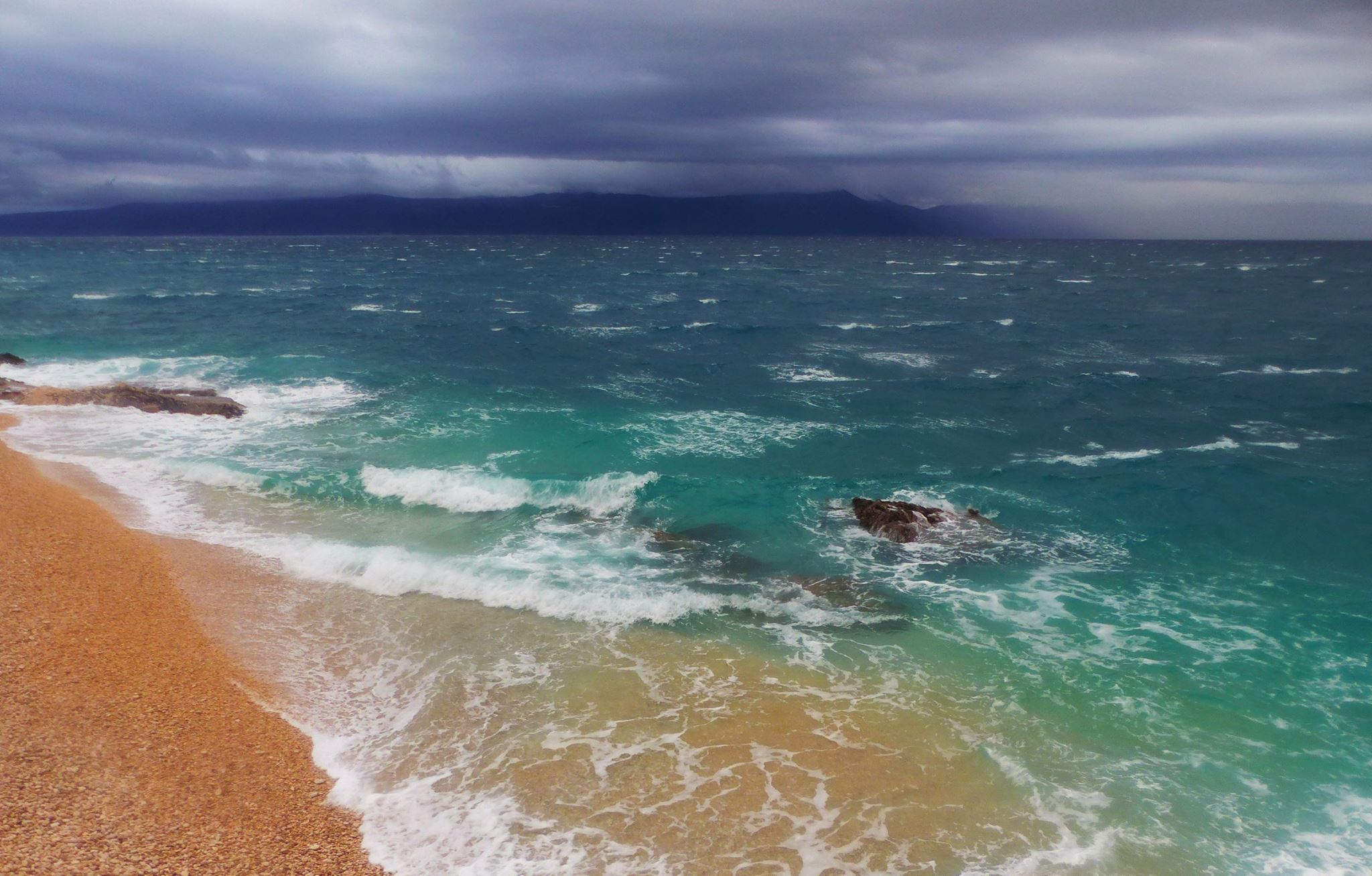
A grey forecast does not cancel eastern Istria; it changes the route. Labin Old Town is more atmospheric under shifting cloud than under flat midday brightness. The town museum, galleries, market and cafés give a wet morning structure, while a clearing later in the day can be enough for a coastal walk.
Bora tends to bring clear, dry air and a sea that can become rough or intensely textured. Jugo can carry moisture and longer periods of unsettled weather. Visitors do not need to become amateur meteorologists, but they should respect local forecasts and warnings. Do not stand on exposed rocks for a dramatic photograph when waves are breaking over them.
A useful autumn rule is to keep one indoor and one outdoor idea ready. Pair Labin’s old town with Rabac, a market visit with a cove, or a long lunch with a short viewpoint walk. Our broader guide to why Labin and Rabac belong in the same Istria itinerary helps connect those contrasts without overloading the day.
A Slow Three-Day Autumn Itinerary
Day one: Labin and the first view of the sea. Begin at the morning market, walk the old town before lunch and descend to Rabac in the afternoon. Choose an easy coastal walk or a sheltered cove according to the wind. Finish early enough to return uphill before dark.
Day two: countryside and harvest flavours. Drive inland on smaller roads, keeping the route short enough to stop without pressure. Arrange one tasting or farm visit in advance, then have a long lunch built around seasonal ingredients. If the weather is bright, end at a viewpoint rather than squeezing in another attraction.
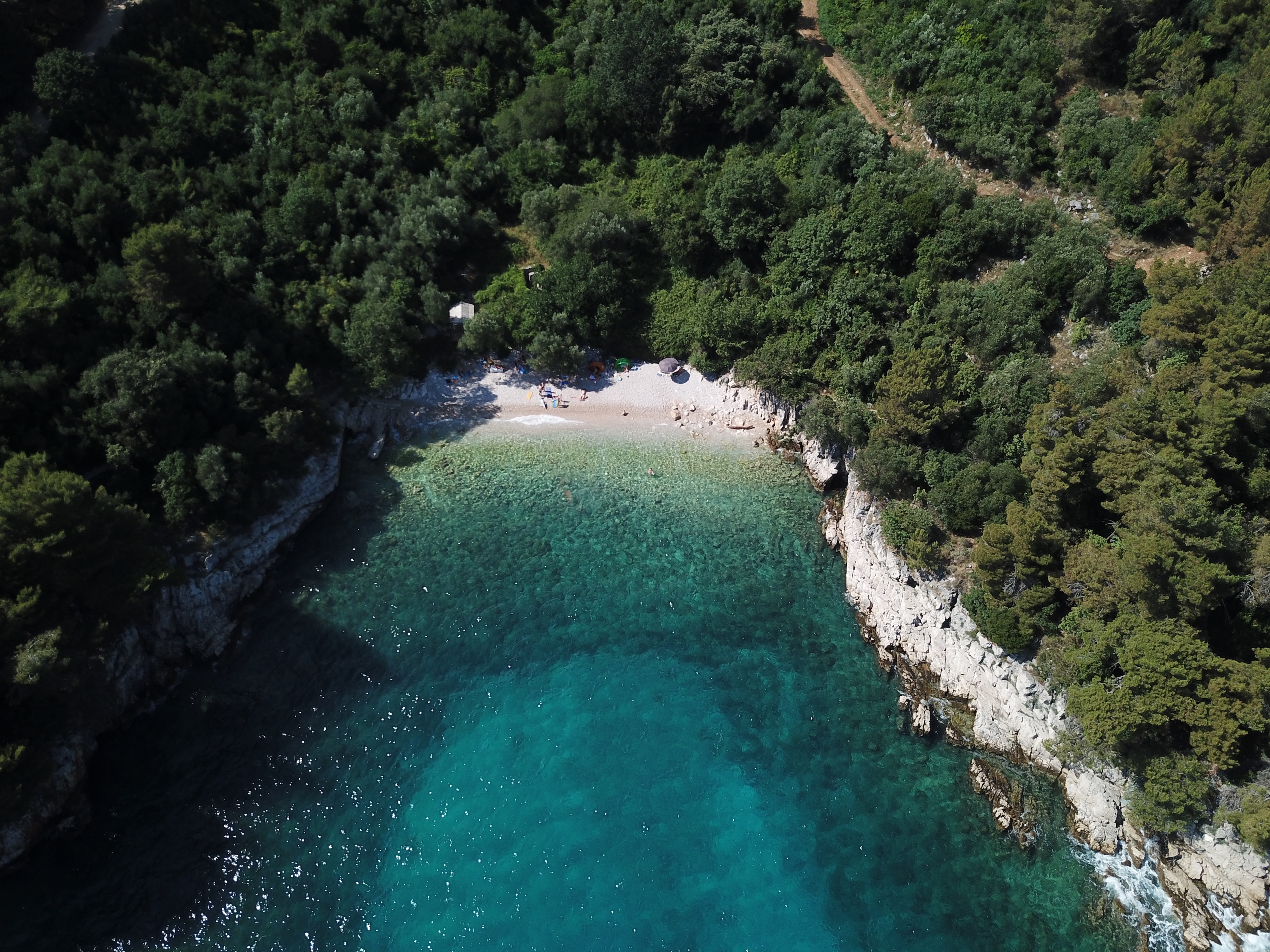
Day three: follow the forecast. On a calm day, explore a quieter cove south of Rabac, such as the coastline around Ravni, and bring everything you need. In rain, stay with Labin’s indoor culture and allow the meal to become the main event. The lack of a compulsory checklist is precisely what makes autumn work.
What Improves—and What Disappears
Autumn improves space, driving, walking temperatures, photographic light and the chance to hear Croatian spoken around you rather than only service English and German. Accommodation can be easier to find, though a smaller seasonal supply means the exact property you want may already be closed.
What disappears is convenience. Coastal menus shorten, excursions stop running daily, and a spontaneous evening can end with fewer open choices than expected. Confirm opening hours on the day, especially outside Labin itself. Keep a simple meal at the accommodation for nights when weather and reduced hours coincide.
The region is not empty; tourism is. Schools, shops, workshops and municipal life continue. Travel with that distinction in mind. Park considerately, keep noise low in residential streets and do not treat an unstaffed cove as private property. The best off-season visitors appreciate ordinary life without demanding that it rearrange itself for them.
Frequently Asked Questions
Can you swim in Rabac in autumn?
Often in September and sometimes later, depending on the year, weather, wind and personal tolerance. There is no reliable calendar guarantee. Check current conditions, enter gradually and have a warm, dry layer ready.
Is October a good month for eastern Istria?
Yes for travellers who value walking, seasonal food, wine culture and quiet coves more than guaranteed beach weather. Days are shorter and some coastal businesses reduce their hours, so a flexible plan is essential.
Will restaurants and attractions be open?
Labin remains a working town, but tourist-oriented businesses along the coast may shorten hours or close for the season. Check official pages or contact venues directly on the day you plan to visit.
Where is Istria’s main truffle area?
The best-known white-truffle landscape is around the Mirna valley and Motovun forest in central and northern Istria. Truffle terrain extends towards the Raša area, but guided experiences should be arranged with established operators rather than attempted independently.
Do I need a car?
A car makes an autumn trip much more flexible, especially for coves, villages and weather-dependent changes. Check bus schedules for exact dates if travelling without one, because seasonal frequency can be limited.
Final Thoughts
Eastern Istria in autumn is not a secret summer with lower prices and nobody else around. It is a different season with its own logic. The sea may invite you in or push you back to shore. A vineyard may be busy rather than ready for visitors. A cove may be perfect precisely because nothing is operating there.
Accept those conditions and the region becomes unusually generous. You can watch the light move across Labin’s fields, eat according to the harvest, walk beside transparent water and hear the wind arrive before the rain. The days become less about extracting attractions and more about noticing transitions.
Pack for two seasons, reserve only what truly needs arranging and leave space for the forecast to edit your plans. Autumn’s greatest luxury in eastern Istria is not exclusivity. It is the freedom to let one good place fill the day.