
Behind the Glass: How Aquarium Pula Protects Adriatic Marine Life
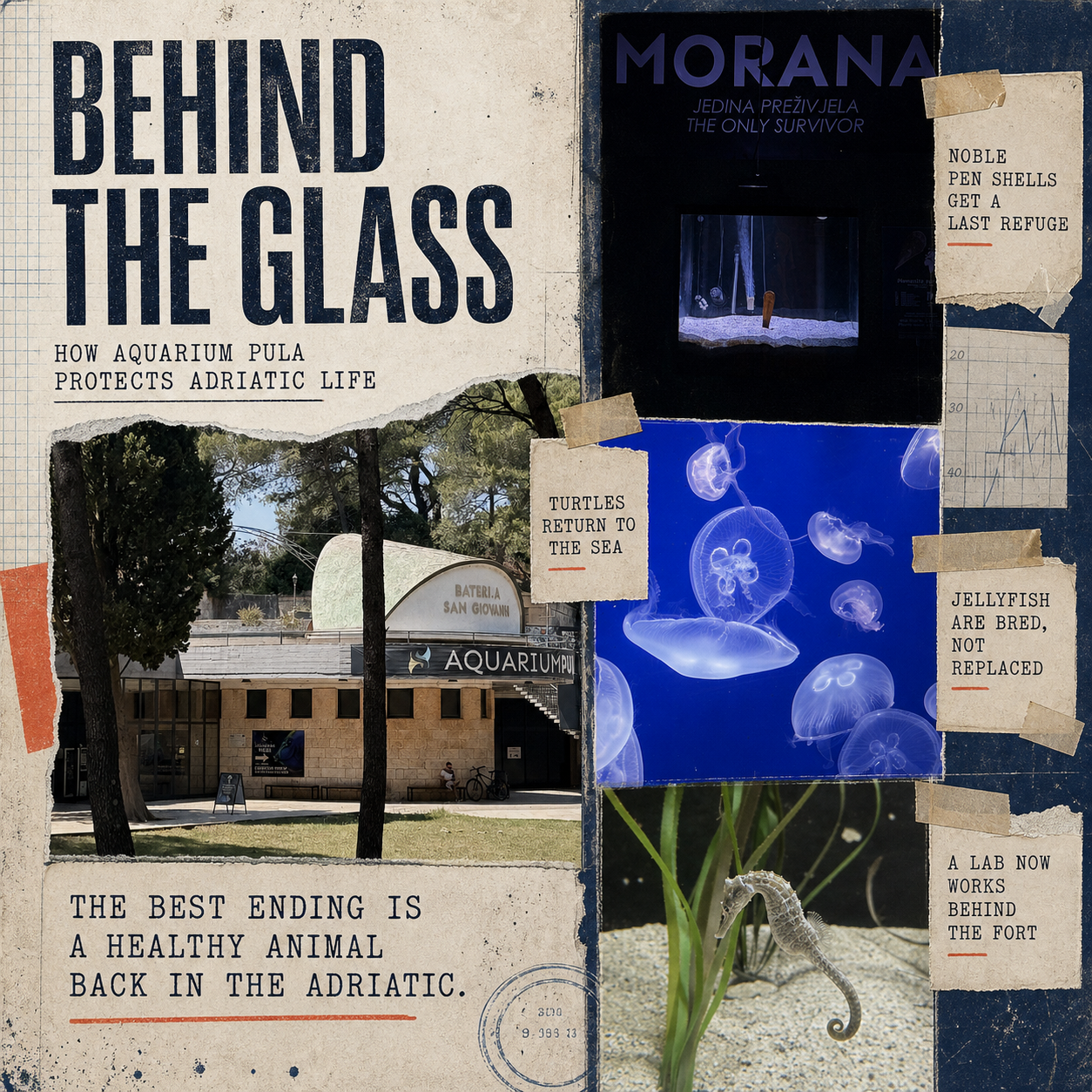
The blue light is the first thing you notice. Jellyfish pulse in a circular tank, a seahorse holds to a blade of seagrass, and fish turn through water framed by nineteenth-century stone. At Aquarium Pula, the public route is designed to make marine life visible. Yet some of the institution’s most important work happens in rooms, tanks and records that visitors see only in fragments.
Behind the displays is a conservation system. Injured reptiles are stabilised and rehabilitated. Noble pen shells are kept under controlled conditions while European partners try to prevent the disappearance of a Mediterranean endemic species. Jellyfish are bred, phytoplankton is cultivated, water parameters are monitored, and a molecular and microbiological laboratory supports research into animal health and endangered species. Education then carries those processes back into public view.
This is not another general visitor guide, nor a retelling of the sea-turtle hospital alone. It is a closer look at what the glass separates: the beautiful exhibit in front, and the patient, repetitive work that makes conservation possible behind it.
Key Takeaways

The Adriatic Is the Subject
Displays are not isolated spectacles; they introduce habitats, pressures and species that belong to the living sea outside the fortress.

Care Becomes Knowledge
Rescue, breeding and observation produce practical knowledge that can improve animal care, research and public understanding.

Protection Crosses Borders
The noble pen-shell programme links Pula with partners in Croatia and across Europe through the LIFE PINNACARE project.

Look for the Process
Filtration, food cultures, quarantine, controlled breeding and interpretation are as revealing as the animals themselves.

An Empty Pool Can Be Success
For a rehabilitated wild animal, the best outcome is not permanent display but a safe return to nature.
A Public Aquarium With a Second, Quieter Job
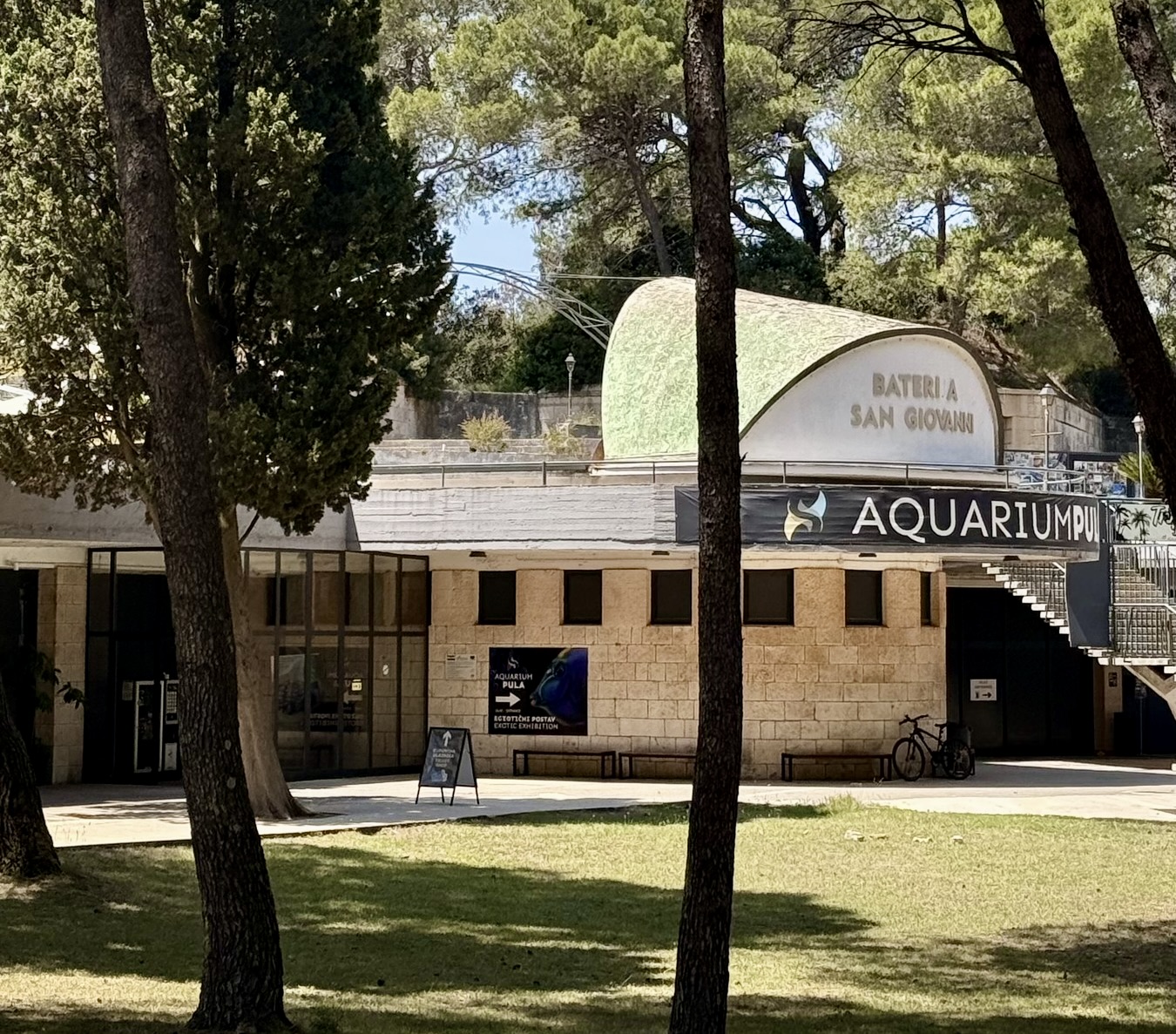
Aquariums inevitably operate through selection. The visitor sees a clear window, an illuminated habitat and an animal at the right scale for observation. Behind that calm surface are pumps, filters, quarantine rules, food preparation, veterinary decisions, cleaning schedules and thousands of small measurements. Conservation begins when these ordinary systems are used for more than display.
Aquarium Pula’s official history helps explain the shift. Founded in 2000 by biologist and scientist Milena Mičić, the organisation grew from a small family enterprise into an educational and scientific centre. Its sea-turtle rescue work developed early; an official wildlife rescue centre followed; noble pen-shell conservation became a major responsibility; and in 2024 a molecular and microbiological laboratory opened behind the scenes.
The result is not a simple division between “tourist attraction” and “science”. Admission, exhibits, interpretation and public curiosity support an institution that also carries out difficult work with uncertain outcomes. Some animals recover. Some breeding attempts fail. Some data only becomes meaningful after years. A responsible visit does not need to romanticise that uncertainty. It needs to notice it.
Four Layers of Conservation Behind the Exhibits
| Conservation layer | What happens behind the glass | What visitors may notice |
|---|---|---|
| Wildlife rescue | Native reptiles are admitted, diagnosed, treated and rehabilitated with return to nature as the goal whenever possible. | Recovery pools and patient stories |
| Ex-situ conservation | Critically endangered noble pen shells are maintained and studied under controlled conditions outside their threatened natural habitat. | The Noble Sanctuary and Morana |
| Breeding and food cultures | Jellyfish are bred, while phytoplankton cultures feed filter-feeding organisms, including noble pen shells. | Healthy, stable displays rather than constant replacement |
| Research and education | Laboratory work, monitoring, international cooperation and interpretation turn individual cases into shared knowledge. | Labels, guided programmes and conservation stories |
These layers overlap. A rescued animal may generate observations that improve future care. A breeding facility may support both an exhibition and a threatened species. A public label may encourage someone to report a distressed turtle or understand why a shellfish most visitors have never heard of matters to the whole seagrass community.
Morana and the Noble Pen-Shell Emergency
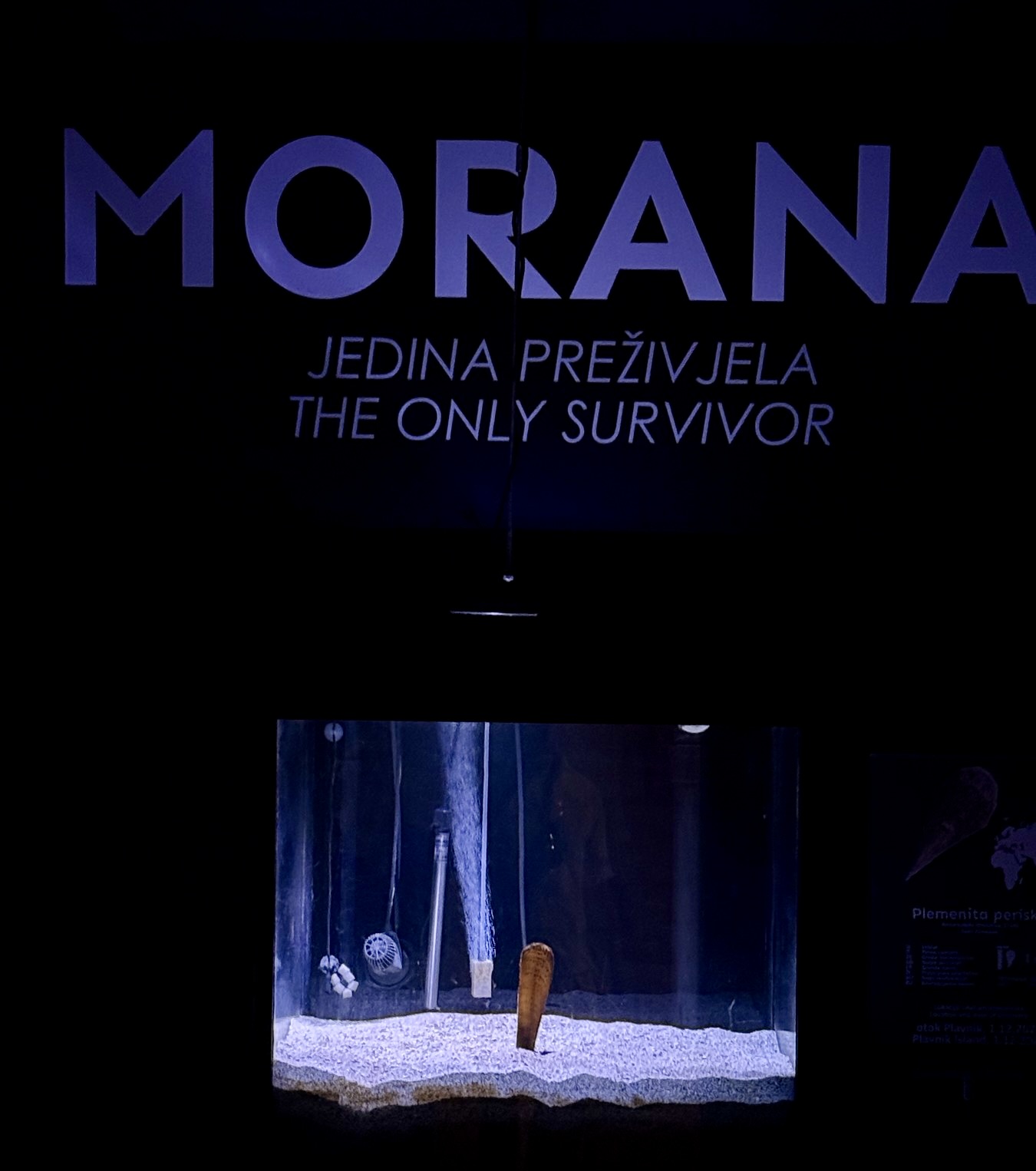
The name Morana appears in a dark display with the words “the only survivor”. It is a stark introduction to one of the Mediterranean’s most severe recent wildlife crises. The noble pen shell (Pinna nobilis) is a Mediterranean endemic and the sea’s largest bivalve. Anchored in seagrass beds, it filters water and creates hard surface and shelter for a community of other organisms.
Beginning in 2016, mass mortality linked to the parasite Haplosporidium pinnae spread through the Mediterranean. Aquarium Pula’s official conservation material describes losses approaching total collapse in open-water populations. The species did not simply become rare in a photogenic way; a familiar ecological structure disappeared across immense areas.
Aquarium Pula began keeping pen shells under controlled conditions in 2019 and became a partner in Croatia’s national conservation programme. Its role grew into responsibility for maintaining juvenile and adult animals ex situ. That work demands stable temperature and salinity, carefully managed density, continuous observation and a reliable supply of live food. The display is the visible edge of a life-support system.
In 2026 that work sits inside LIFE PINNACARE, a European project scheduled through November 2029. Pula’s principal task is controlled breeding, with the long-term aim of producing animals for research and possible repopulation. The project also connects genetic analysis, health assessment, disease work, transport protocols and the search for suitable habitats across several countries. No single tank can restore the Mediterranean, but a coordinated network can preserve knowledge, individuals and options that would otherwise vanish.

The seahorse nearby helps make the relationship legible. Conservation is not a collection of isolated mascots. Seagrass, bivalves, fish, microorganisms and water quality form a system. Saving one threatened species requires understanding the conditions and connections that allow it to live.
Why Breeding Jellyfish Is Conservation Infrastructure
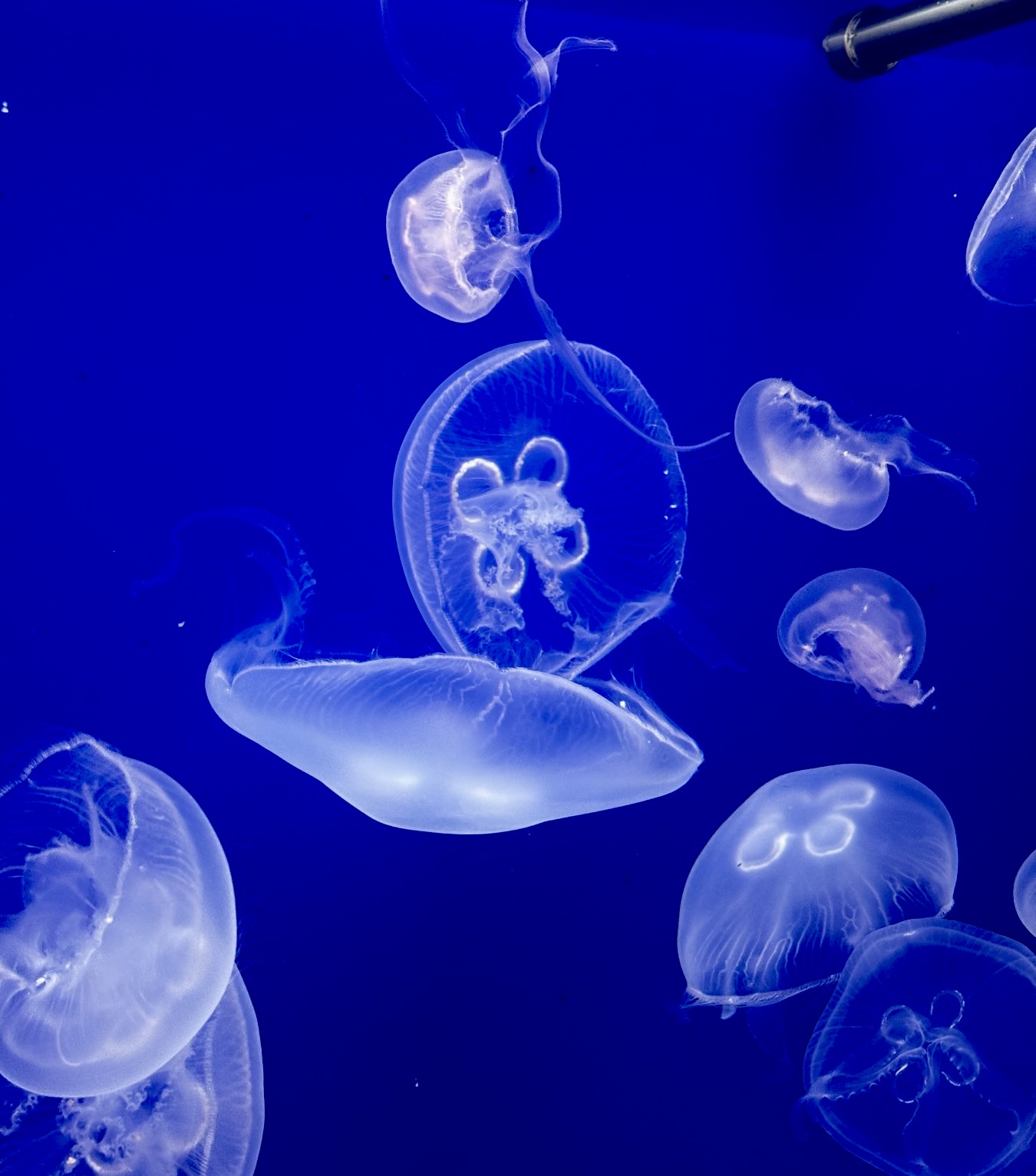
Jellyfish look effortless because the machinery that supports them is hidden. Their bodies are delicate, their life cycles can be complex, and a display cannot be treated like a vase that is periodically refilled from the sea. Aquarium Pula states that it breeds numerous jellyfish species under strictly controlled conditions.
That practice matters in several ways. It reduces pressure to collect replacement animals, develops staff expertise in water chemistry and life-cycle management, and creates a dependable population for education. It also makes the exhibit honest: what visitors see is not merely wildlife extracted from somewhere else, but the result of husbandry that can be repeated, observed and improved.
The breeding area also cultivates phytoplankton. These microscopic organisms are the base of marine food webs and, in the aquarium, food for filter feeders—especially noble pen shells. A glowing jellyfish tank and a vessel of green culture may look worlds apart, yet both depend on the same institutional skill: sustaining small, easily disrupted living processes day after day.
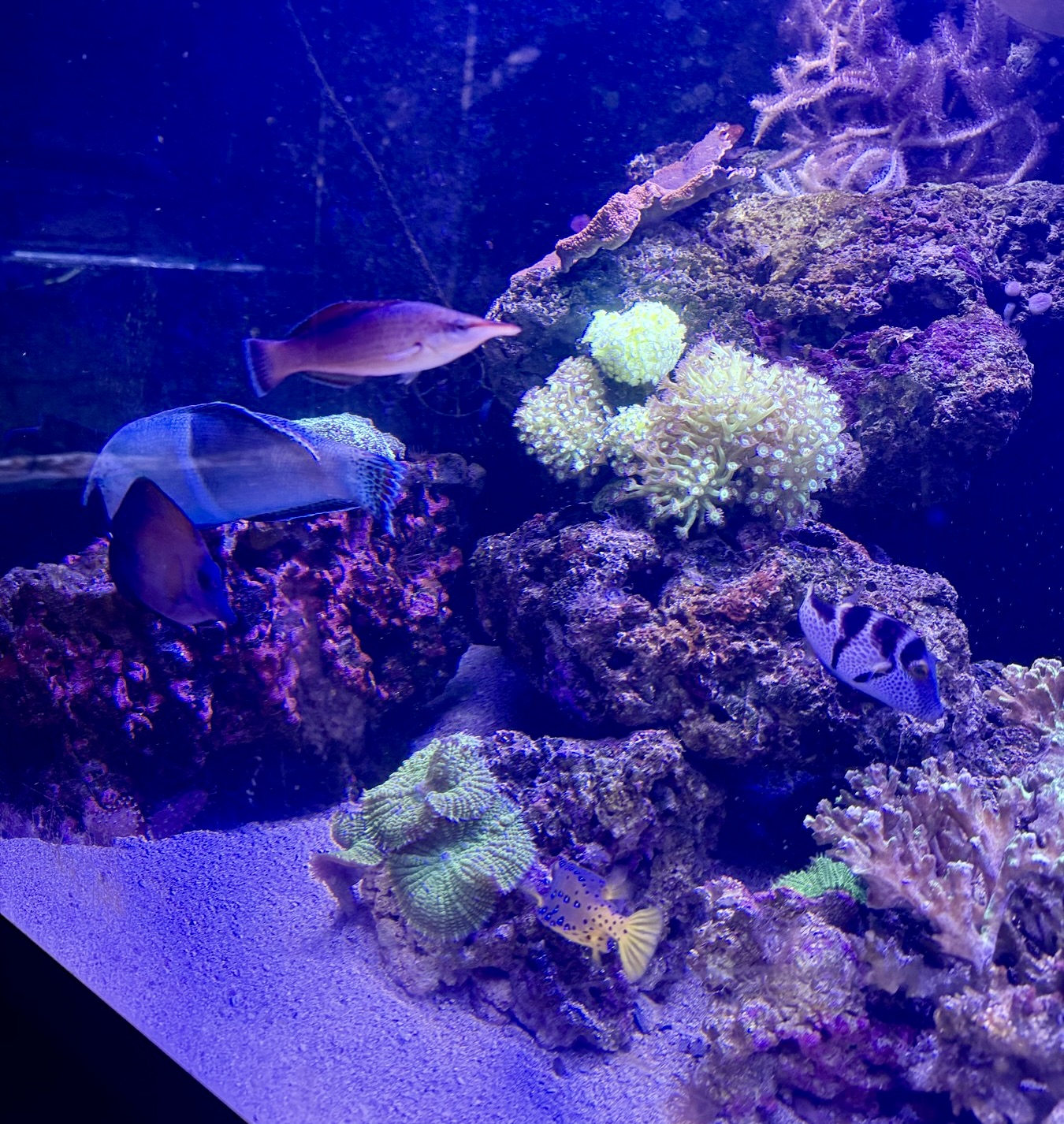
This is the less glamorous meaning of “behind the glass”. Conservation often resembles maintenance: checking a parameter before it drifts, noticing appetite before an animal declines, growing food before it is needed and recording changes that would otherwise be forgotten.
The Laboratory Changes What the Aquarium Can Ask
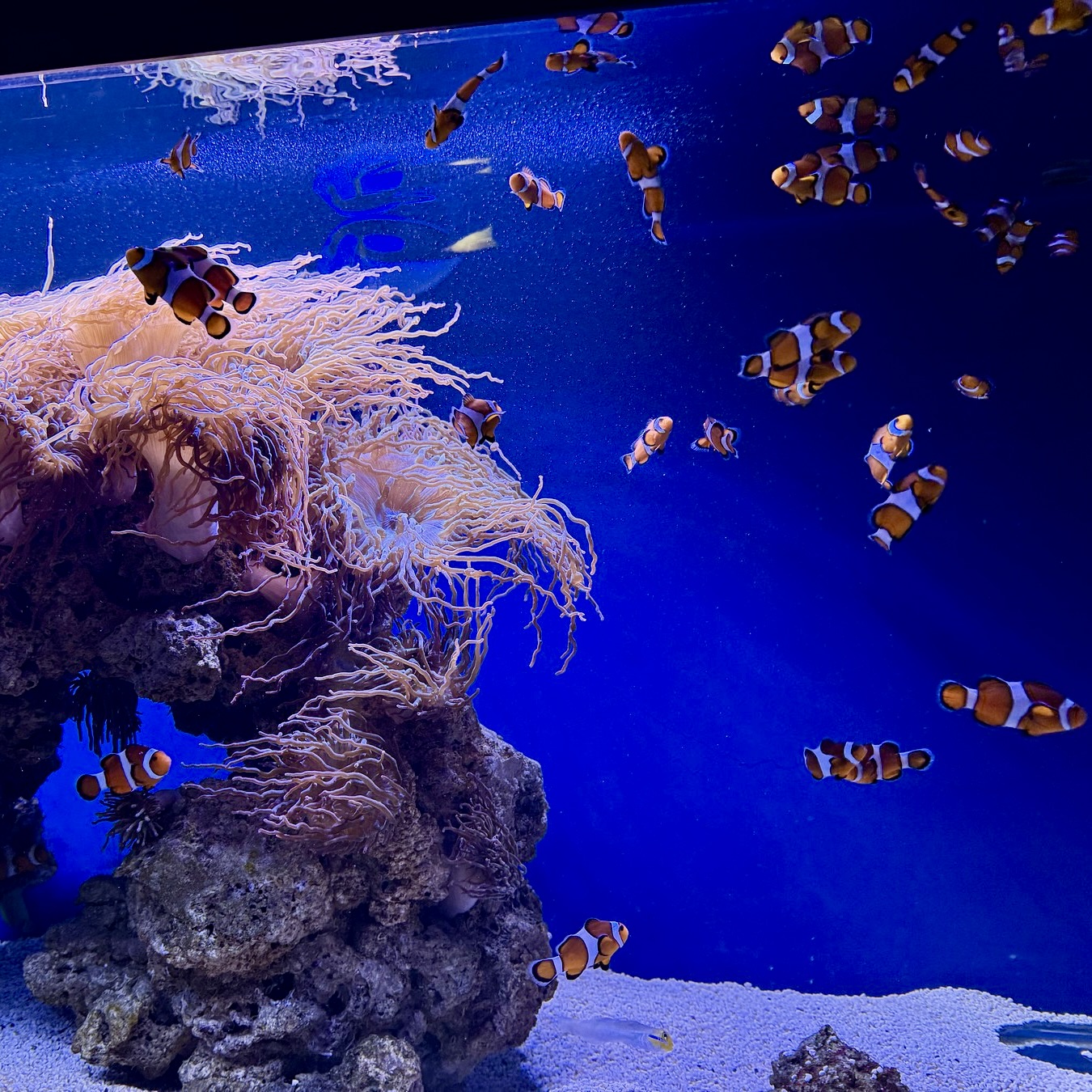
When Aquarium Pula opened a molecular and microbiological laboratory in 2024, it added more than a room of equipment. It expanded the questions the institution could investigate. Visual observation can show that an animal is feeding poorly or a shell is damaged. Laboratory methods can help examine pathogens, genetic condition, microbial processes and other factors invisible to the eye.
For LIFE PINNACARE, the laboratory is expected to support analyses connected with health, resistance and population monitoring. For the aquarium more broadly, local capacity makes it easier to connect everyday animal care with research. A sample no longer has to remain an isolated event; it can become part of a pattern shared with partner institutions.
That does not turn every display into an experiment, nor every visitor into a scientist. It does change the institutional culture. Questions can move from “Is this animal alive?” to “What conditions support its long-term health?”, “Why did this individual resist a pathogen?”, or “Which population might be appropriate for future restoration?” Conservation advances through those narrower, testable questions.
Rescue Has a Different Definition of Success
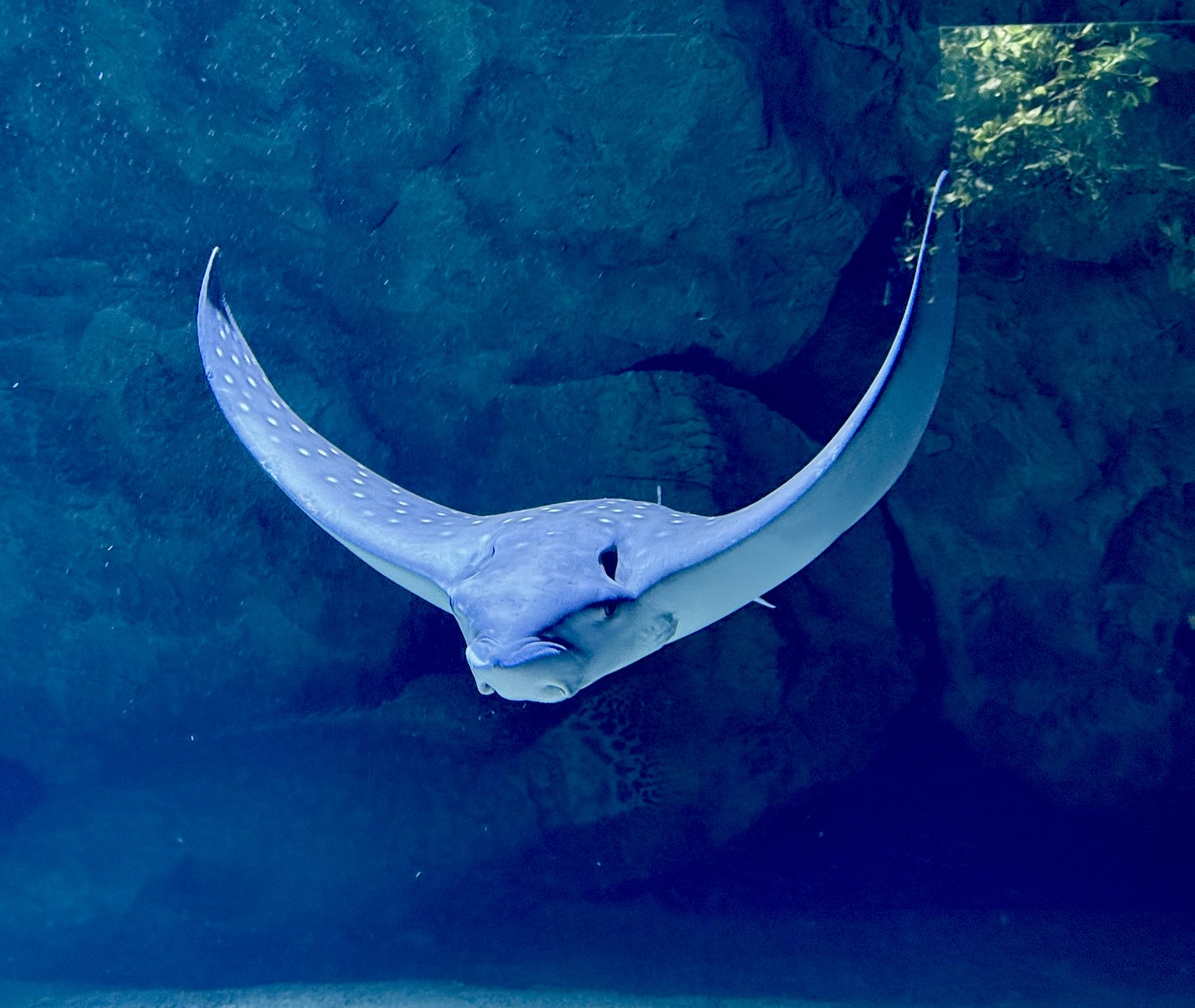
Aquarium Pula’s wildlife rescue centre cares for reptiles, including injured and debilitated sea turtles. The clinical story deserves its own focus. In this wider conservation picture, the essential point is the direction of travel: stabilise, treat, rebuild normal behaviour and return the animal to nature when possible.
That makes rescue fundamentally different from collecting. A turtle in a rehabilitation pool is not there to complete an attraction. It is a temporary patient. Visitors may see one, or they may see an empty pool. The absence of a charismatic animal can be evidence that the system worked.
In May 2026, six recovered loggerheads were released after months of care. Public releases turn a technical process into a shared memory, but the applause is only the final visible minute. Before it come diagnostics, feeding, water management, exercise, assessment and tagging. After it, the turtle returns to a sea still shaped by fishing, boats, waste and climate change.
How to Read the Aquarium Like a Conservation Site
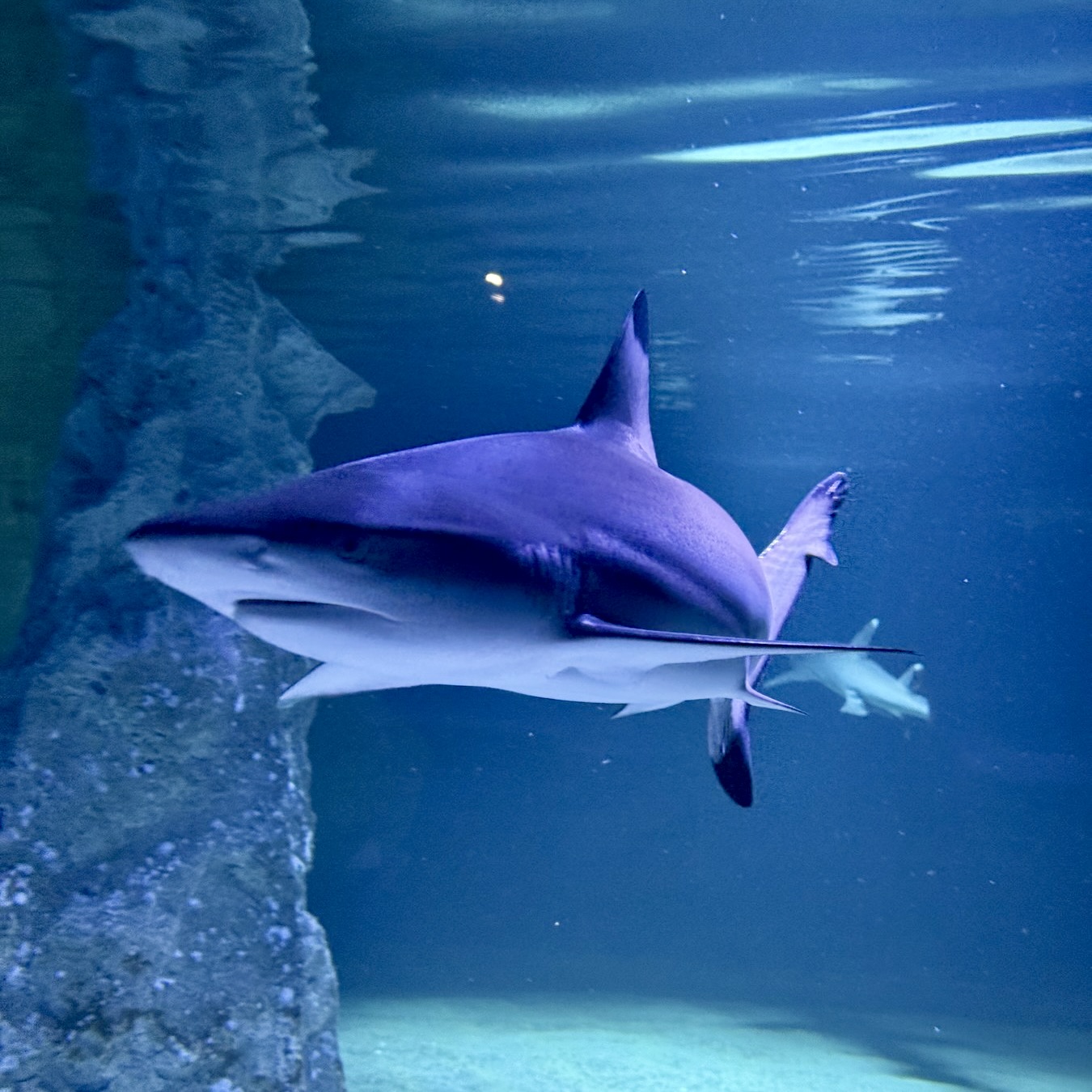
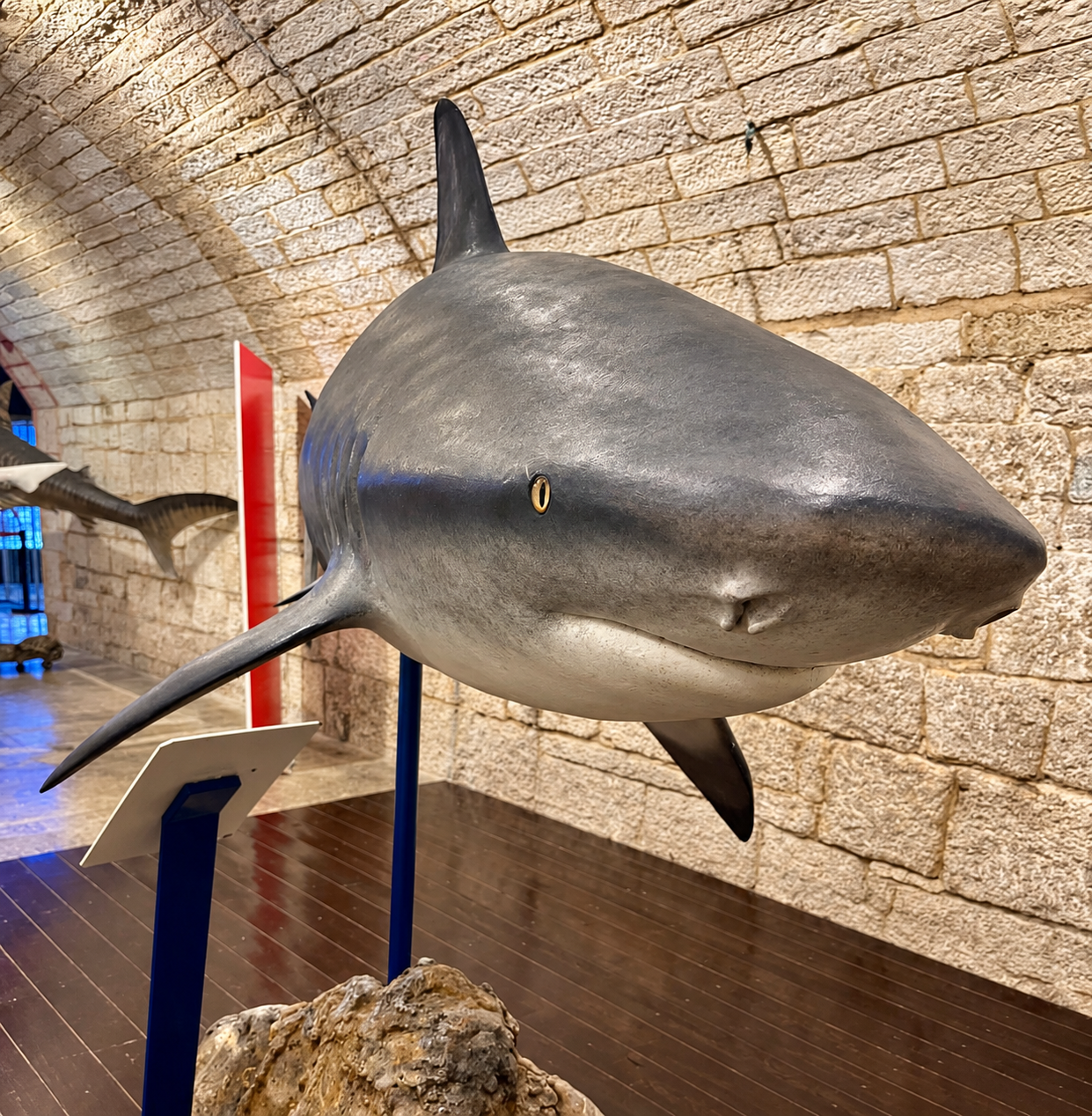
Start with the organism, then widen the frame. When a pufferfish hovers close to the glass, notice its body shape and movement—but also ask what water, food and shelter it needs. When a shark model hangs beneath a stone vault, distinguish the drama of the object from the reality of sharks in the Adriatic. Our guide to sharks in Croatia separates common fears from evidence.
Read labels for verbs, not only nouns. “Rescued”, “bred”, “monitored”, “cultivated”, “released” and “restored” reveal what the institution actually does. A species name tells you who is in the tank; a verb tells you the relationship between the aquarium and that animal.
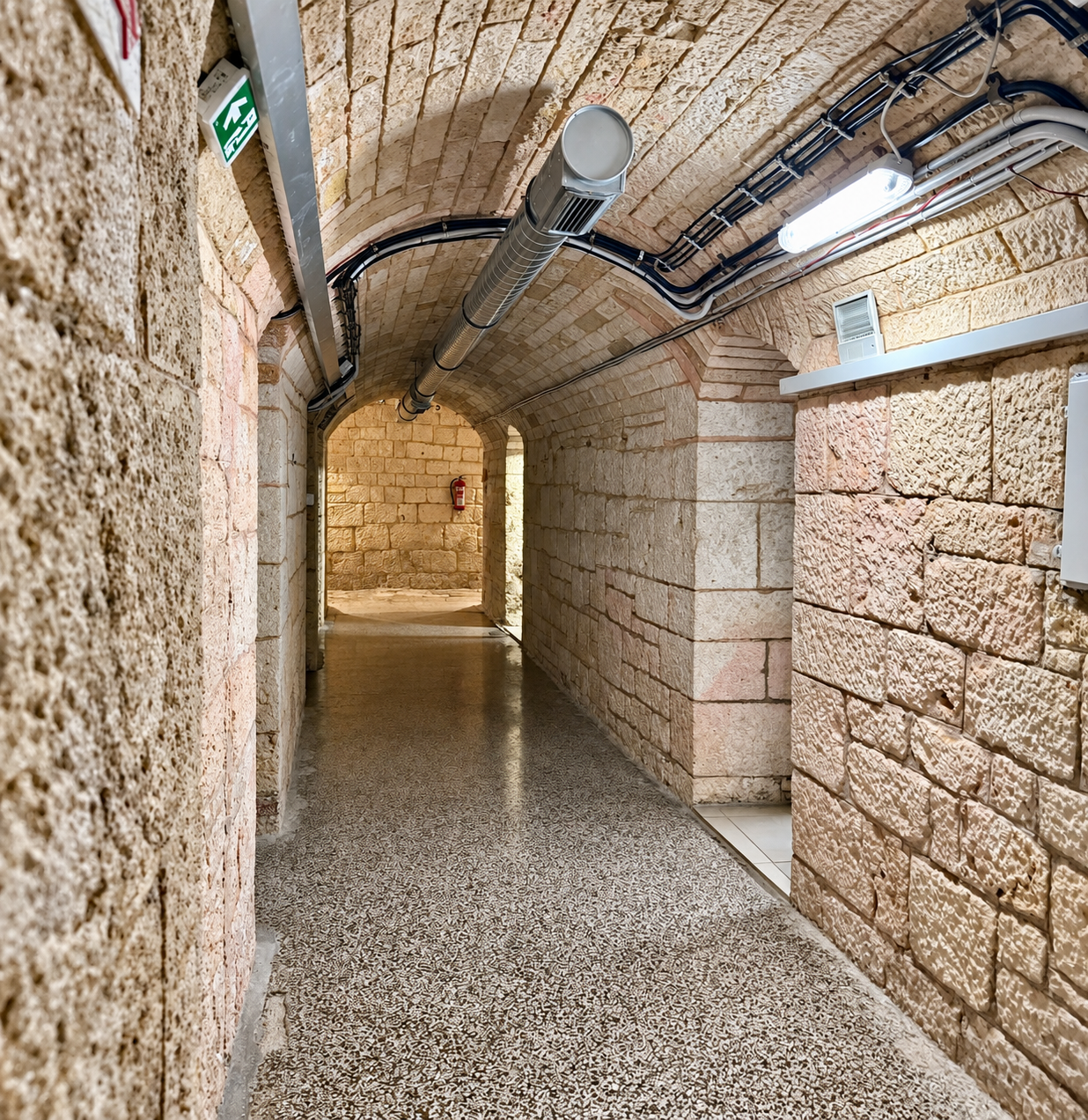
Finally, look at the building. Thick walls and curving passages make the visit memorable, but they also conceal infrastructure. The old fortress has been adapted into a place where public attention, animal care and research operate side by side. For route planning, opening details and the full collection, use our complete Aquarium Pula visitor guide.
Frequently Asked Questions
Is Aquarium Pula a conservation centre or a tourist attraction?
It is both. The public aquarium funds and communicates work that also includes wildlife rescue, controlled breeding, endangered-species care, research, international projects and education.
What is the Noble Sanctuary?
It is Aquarium Pula’s controlled environment for noble pen shells, created in response to the catastrophic Mediterranean mass-mortality event. The work now contributes to national and European conservation programmes.
Does Aquarium Pula breed animals?
Yes. Its official behind-the-scenes information specifically describes breeding numerous jellyfish species and cultivating phytoplankton used as food for filter-feeding organisms.
Will I always see a rescued sea turtle?
No. Admissions depend on wildlife emergencies, and treatment needs come before display. A turtle ready for release should leave; a permanent patient is not the conservation goal.
How can a normal visit support conservation?
Admission supports the institution, while careful attention turns displays into learning. Visitors can also report distressed wildlife, reduce marine litter, respect habitats and share accurate information rather than sensational stories.
Final Thoughts
The most beautiful tanks at Aquarium Pula create attention. The deeper achievement is deciding where that attention goes next. Toward a turtle strong enough to leave. Toward a pen shell held safely while researchers search for a future. Toward microscopic food cultures, laboratory results and habits that keep an exhibit stable without constantly taking from the wild.
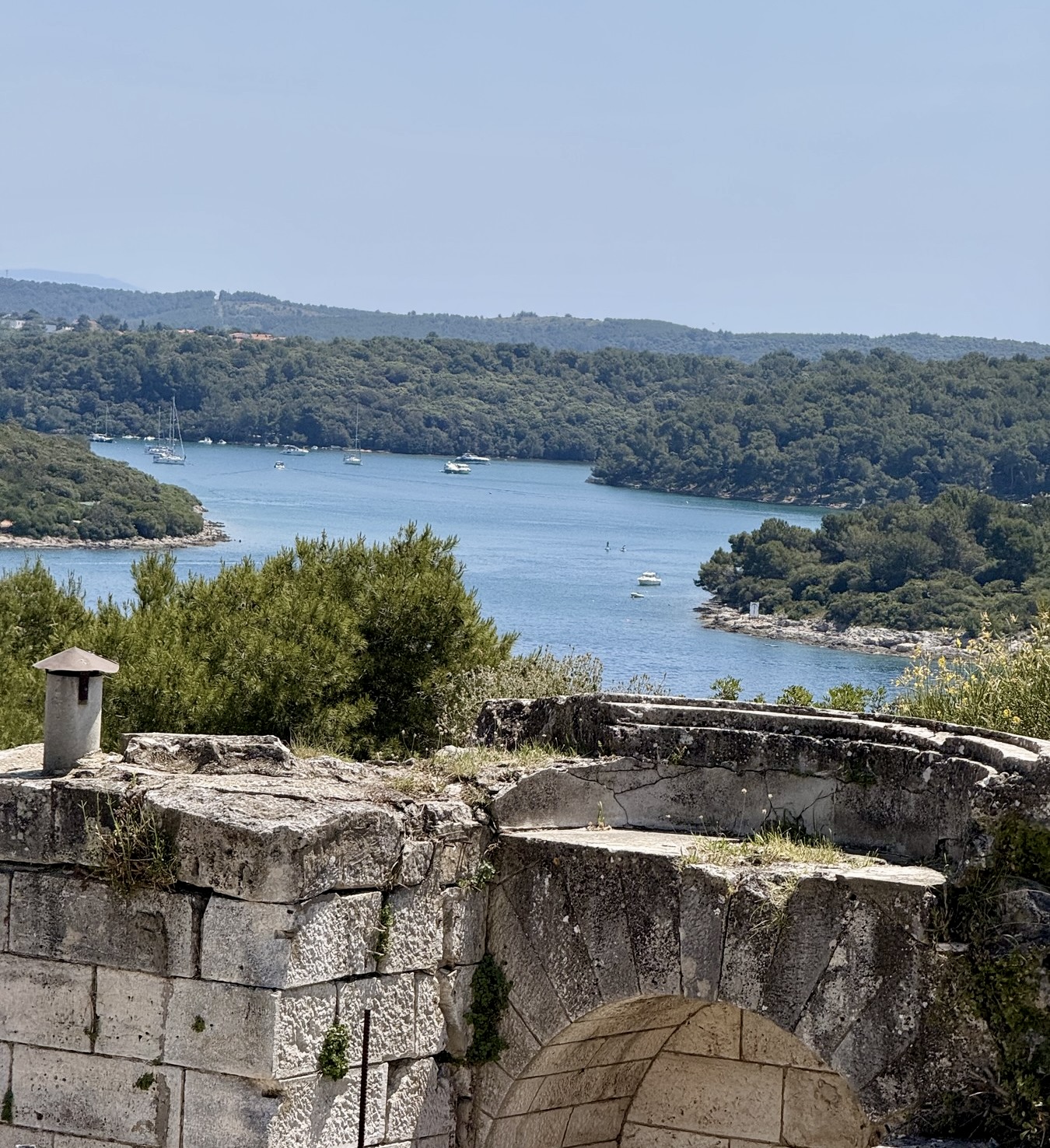
Glass makes marine life visible, but it can also make the scene feel complete. It is not. The real story continues through pipes, notebooks, quarantine rooms, partner institutions and finally the Adriatic outside the fortress. What Aquarium Pula protects is not a collection behind glass, but the possibility of life beyond it.