
The Day Raša Went Silent: The 1940 Mine Disaster That Changed the Town
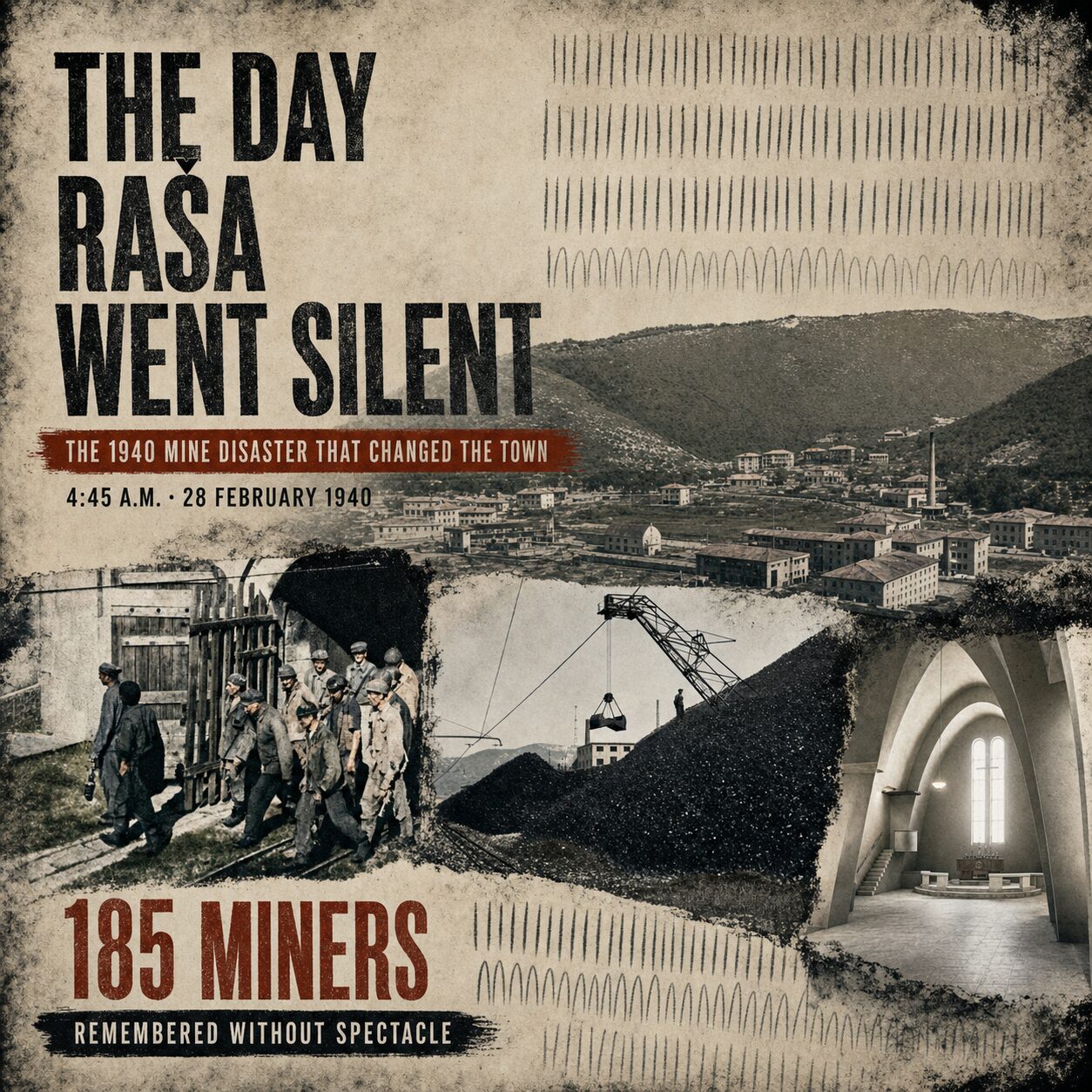
The centre of Raša was only a few years old when the town suffered the event that still defines its deepest collective wound. Before dawn on 28 February 1940, an explosion tore through the underground workings. Historical research places the initial event at about 4:45 a.m. By the end of the disaster, 185 miners were dead and more than one hundred people had been injured.
Numbers of this scale can make a tragedy feel abstract, especially when the photographs that survive show ordered buildings, machines and formal groups. The opposite is true. Each number belonged to a worker, a household and a town whose daily timetable was organised around the mine. This article separates what is documented from what is probable, and refuses to turn missing evidence into dramatic certainty.
Archive note: the black-and-white photographs in this feature were carefully restored and colorized for readability. People, buildings, machinery and objects have not been intentionally changed; the added colors are interpretive and should not be treated as historical color evidence.
Key Takeaways

The Time Is Documented
The disaster began at approximately 4:45 a.m. on 28 February 1940, during work underground.

The Toll Was 185
Current municipal remembrance and historical research identify 185 miners who lost their lives.

The Cause Requires Care
The surviving report describes a probable coal-dust explosion during blasting, followed by a shock wave and carbon monoxide.

Memory Is Public
Raša commemorates the miners at the memorial plaque, the Alma Mater Dolorosa bell and St Barbara’s Church.
Raša Was Barely Three Years Old
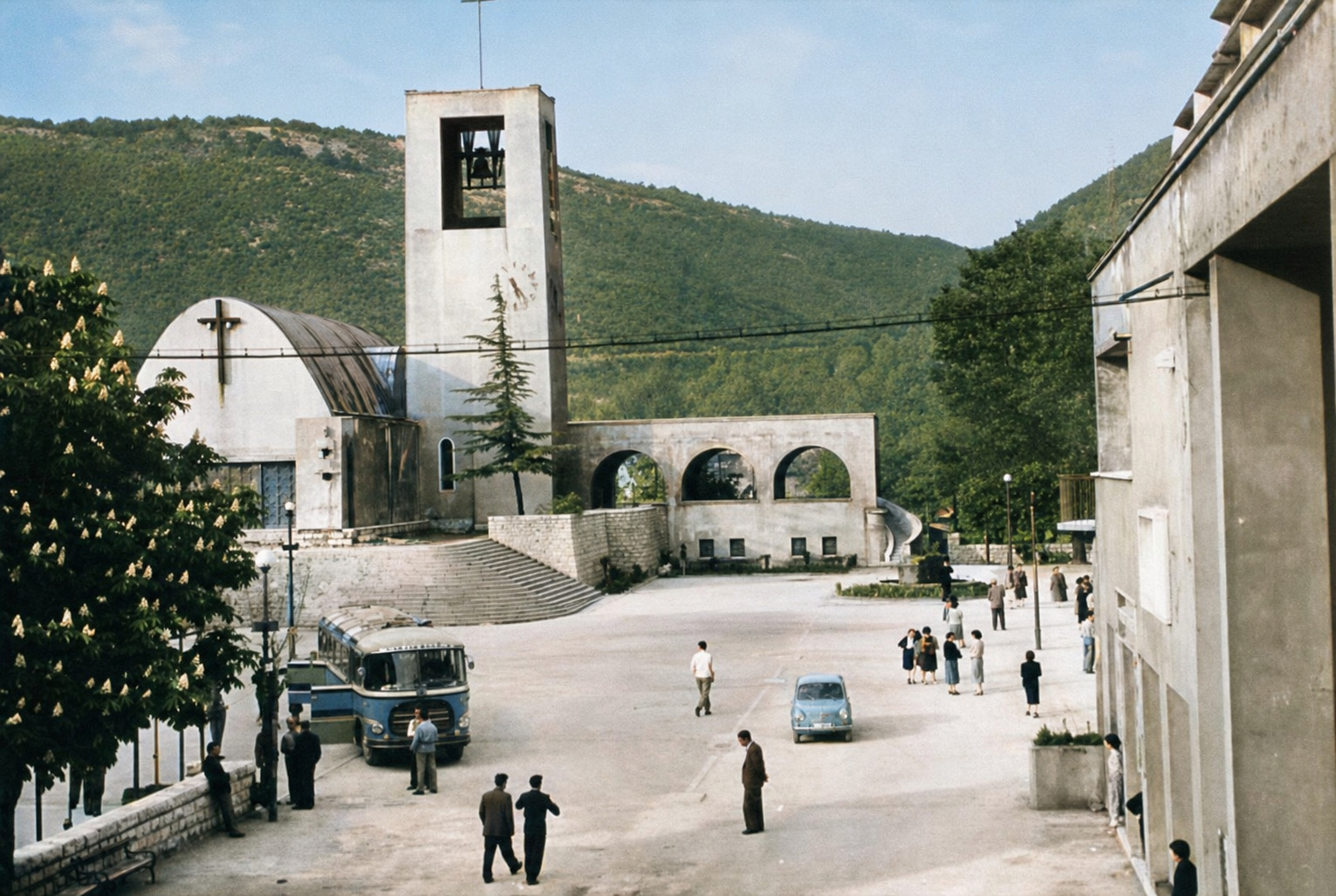
Raša had been planned and built at exceptional speed in the second half of the 1930s to house a rapidly expanding mining workforce. The settlement opened in 1937, bringing workers’ homes, public buildings, a church, school, cinema and company institutions into one tightly controlled urban system. It looked complete almost immediately, but its apparent order depended on dangerous work performed far below the streets.
The mine was not an accessory to the town. It determined where people lived, when they woke, how families organised their days and why the new settlement existed at all. When the underground workings failed, the disaster did not happen somewhere outside Raša; it struck the organising centre of the community. That is why the event cannot be understood as a technical accident alone.
4:45 A.M., 28 February 1940
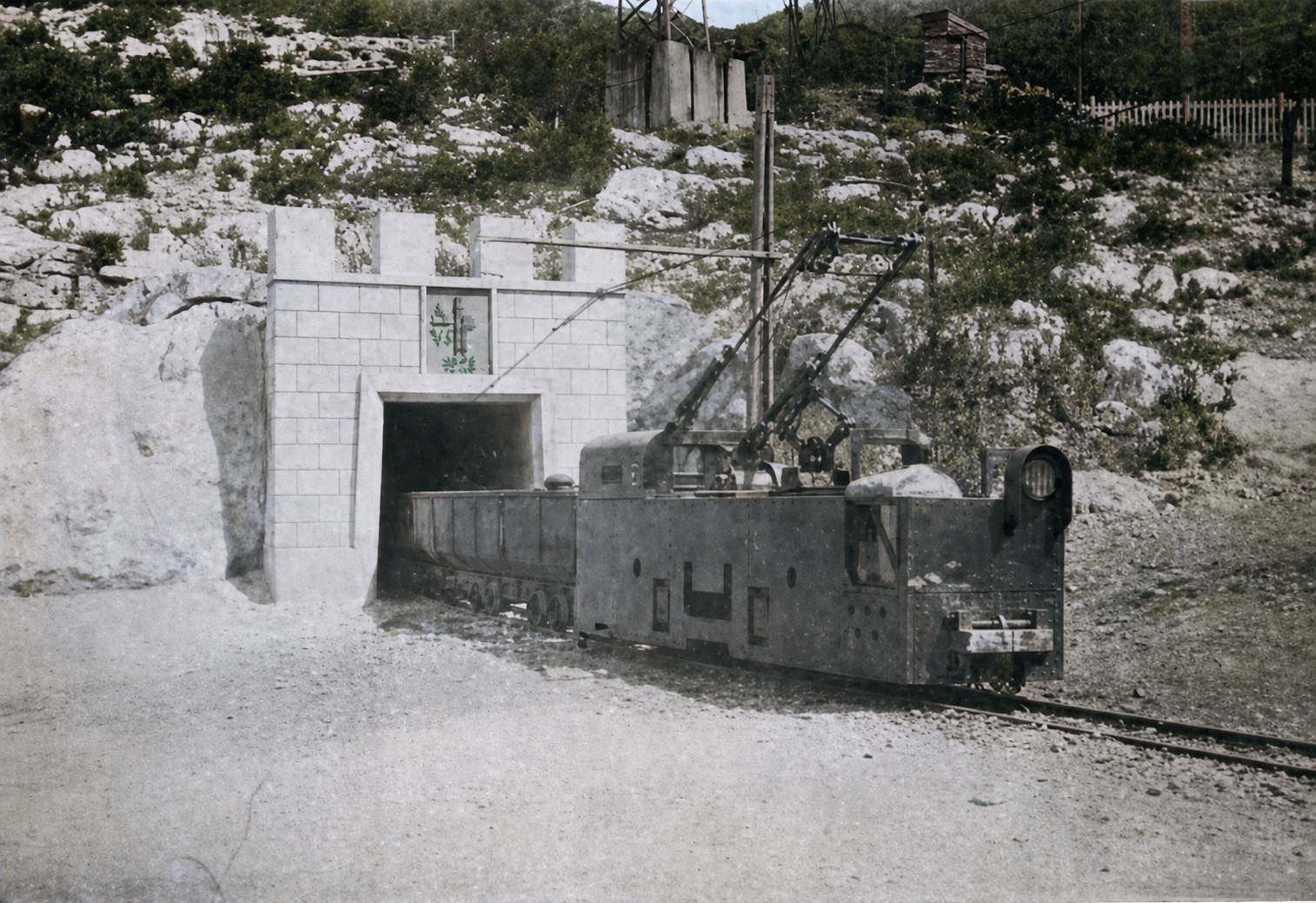
Tullio Vorano’s historical study, based on contemporary documentation, records that the first violent event occurred at about 4:45 in the morning during blasting. The surviving report describes a probable explosion of coal dust. A powerful pressure wave travelled through the workings, while carbon monoxide spread into areas where men were working.
The time matters. This was not a symbolic hour added later to make the story more memorable. It fixes the tragedy inside an ordinary shift, before daylight had reached the new town above. The disaster began as scheduled industrial work and became a mass emergency within moments. Exact minute-by-minute reconstruction remains difficult, so responsible retelling should not invent dialogue, heroic sequences or underground scenes that the records do not preserve.
What the Surviving Report Actually Says
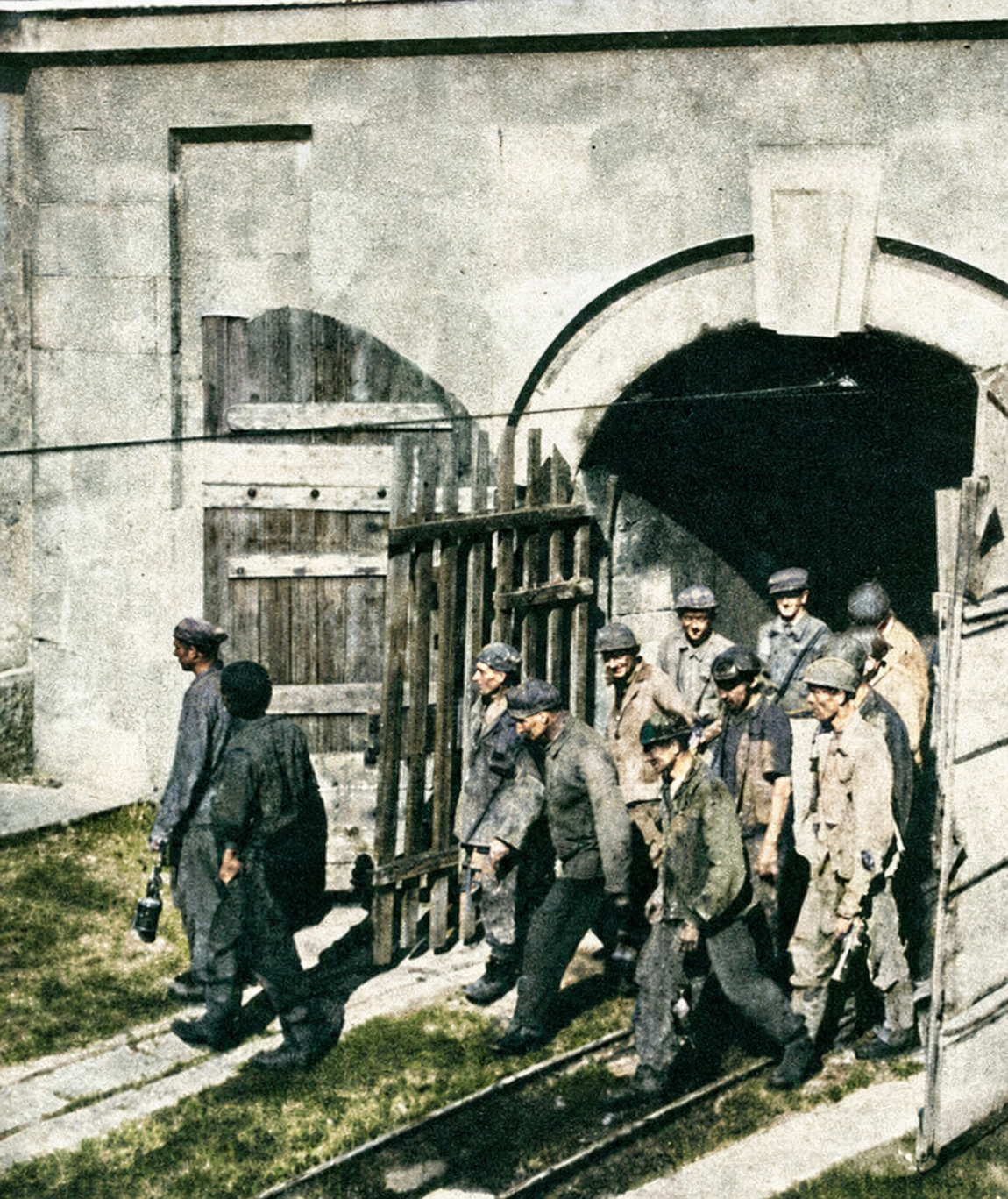
The documentary language is precise but cautious: blasting was followed by what was probably a coal-dust explosion, a shock wave and intense production of carbon monoxide. These were connected hazards. The initial force could injure and disorient workers, damage routes or equipment and make escape more difficult; the invisible gas could then endanger people beyond the immediate blast zone.
Methane is often mentioned in later summaries of mining disasters, and the geological environment made gas an enduring underground concern. However, the Raša documentation cited by Vorano does not justify a confident modern claim that one fully reconstructed chain of causes has been proved. The honest formulation is “probable,” not because the loss is uncertain, but because historical causation must follow the evidence.
Why Carbon Monoxide Made the Emergency Wider
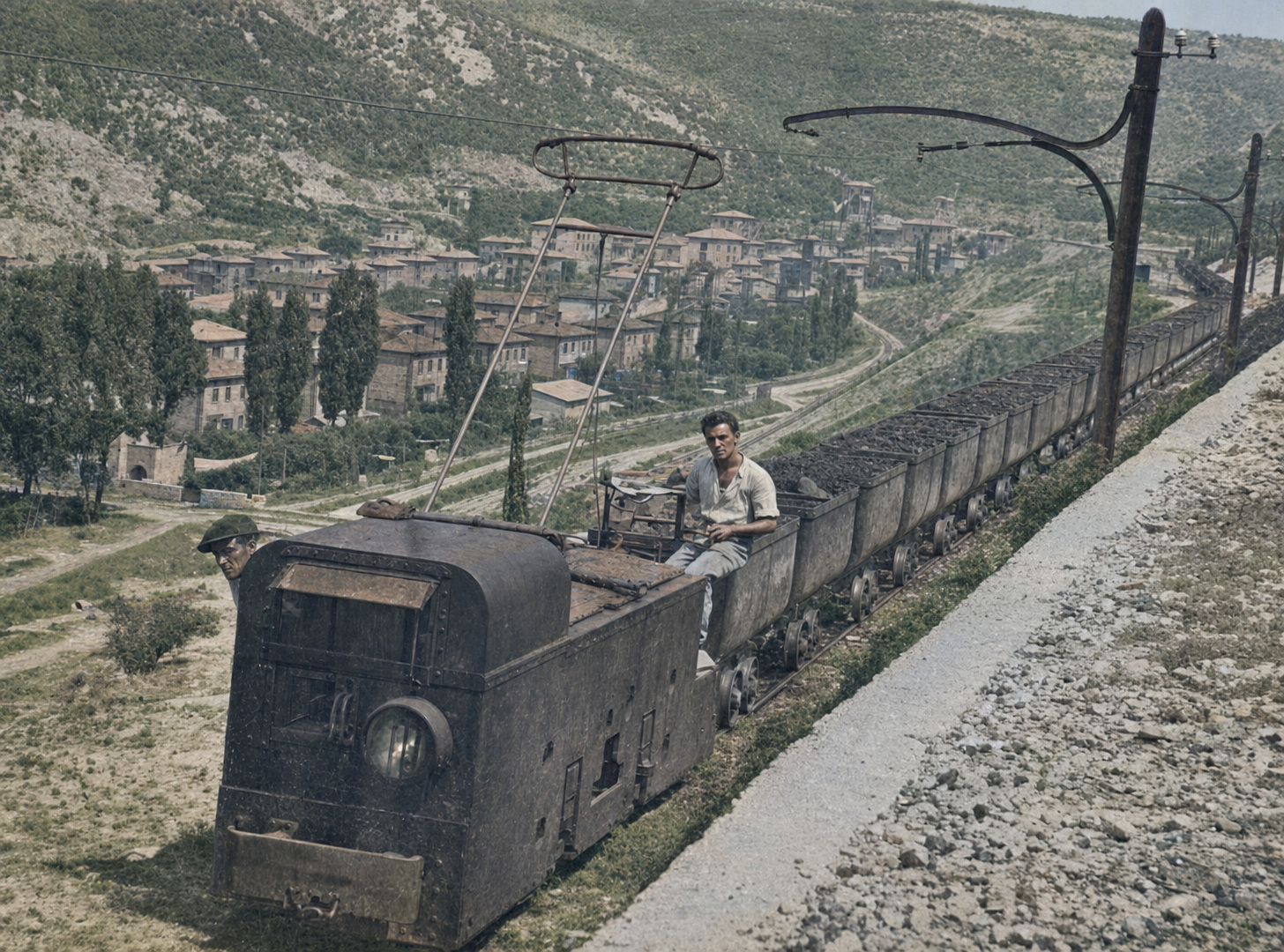
Carbon monoxide is especially dangerous because it cannot be detected reliably by human senses. In a mine, exposure can continue after the sound and force of an explosion have passed. People who reach the surface may still be seriously ill, and complications can develop after the first rescue. The Raša records show why the medical response had to extend beyond treating visible injuries.
This distinction helps explain the scale of the event without speculating about individual deaths. Some miners faced direct blast trauma; others faced toxic gas, lack of oxygen or combined injuries. Routes, ventilation and distance underground affected exposure, but the surviving sources do not provide a complete public map of every victim’s final movements. Silence in the record is not permission to manufacture a scene.
185 Miners Died; More Than 100 Were Injured
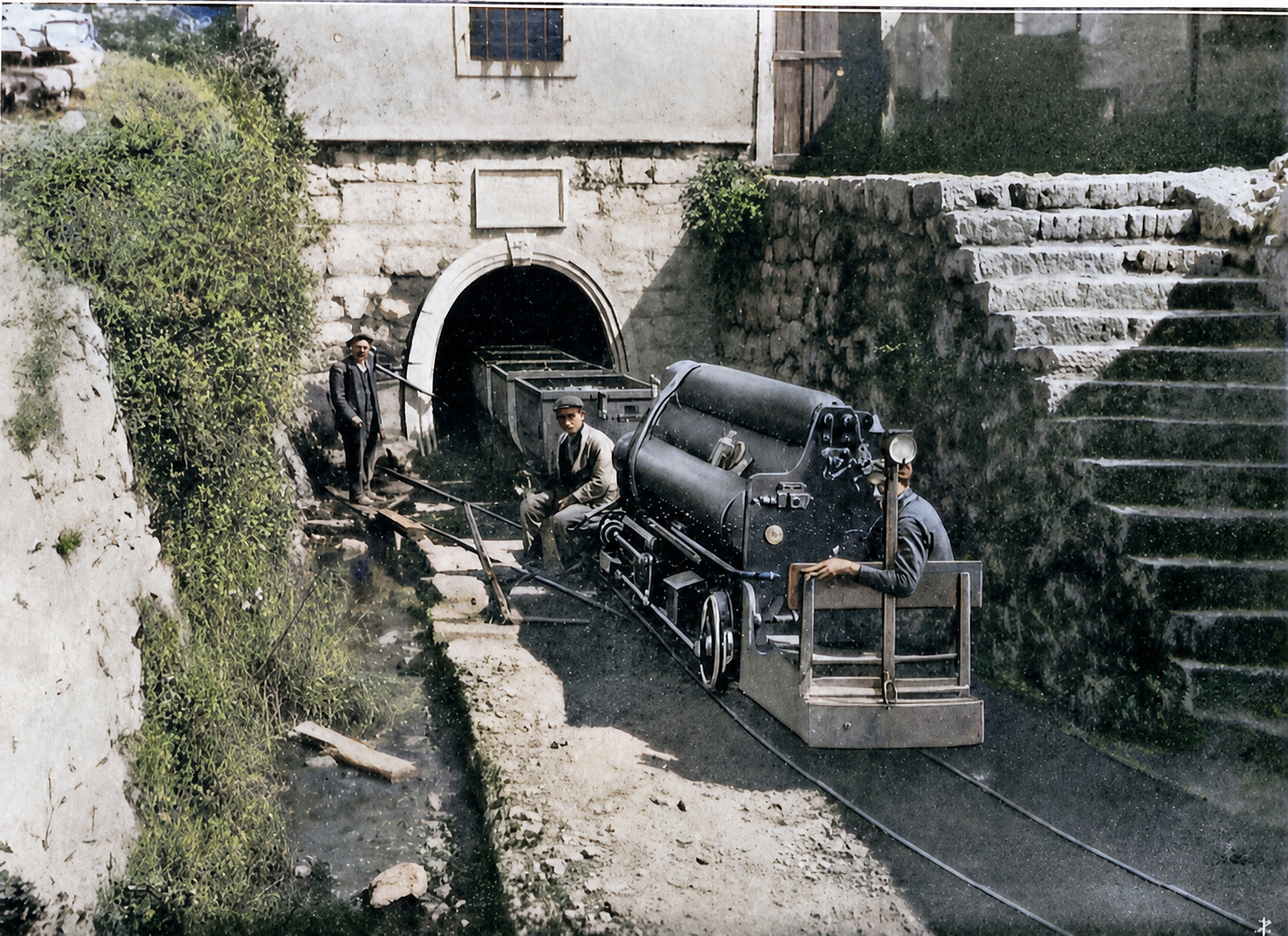
The figure used by the Municipality of Raša and in the town’s contemporary commemorations is 185 dead. Vorano’s study records more than one hundred injured. His paper also notes that 36 people were hospitalised in Pula and 84 received treatment in Raša facilities, figures that reveal a medical effort distributed between the mining town and the regional hospital system.
Older summaries sometimes round the death toll to “nearly 200.” That phrase conveys magnitude but loses the specificity Raša now preserves publicly. The number 185 matters because the memorial bell rings once for every miner. A reliable article should use the exact commemorative figure and avoid adding unverified lists of names, ages, nationalities or family circumstances when those details have not been established from a complete source.
A Medical System Forced Into Catastrophe
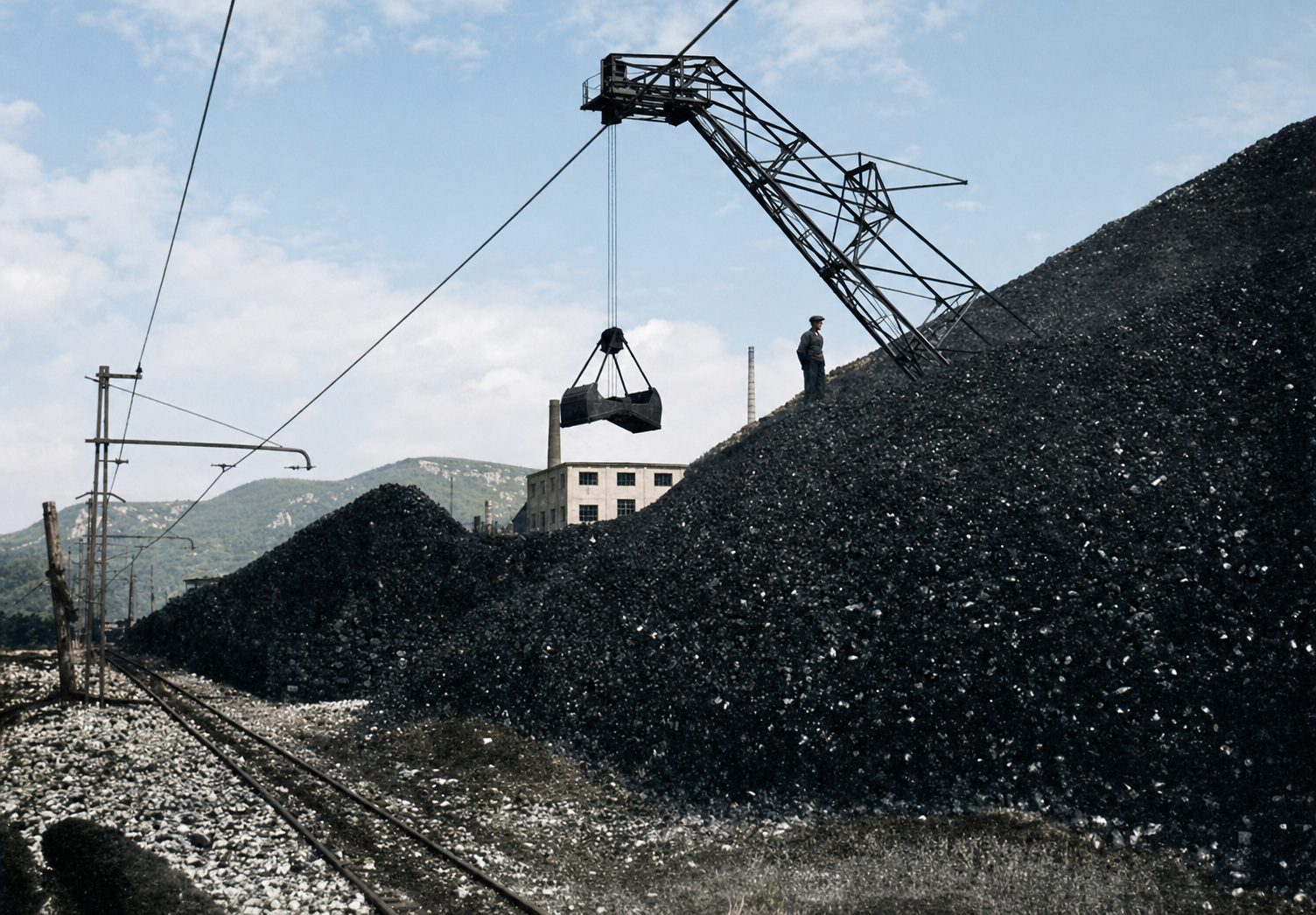
The response depended on the mine’s existing medical organisation. Vorano describes how the service under mine doctor Giambattista Pillan confronted an emergency far larger than routine industrial medicine. The wounded needed triage, stabilisation, transport and continuing observation, while toxic-gas exposure created risks that were not always immediately visible.
Contemporary assessments praised the effectiveness of the response. That does not mean the system was adequately staffed or that every life could have been saved. The same research records Pillan’s later objections to reductions in medical staffing. The disaster exposed both the value of organised mine medicine and the fragility of a service expected to absorb mass casualties without warning.
The Danger Did Not End at the Pit Mouth
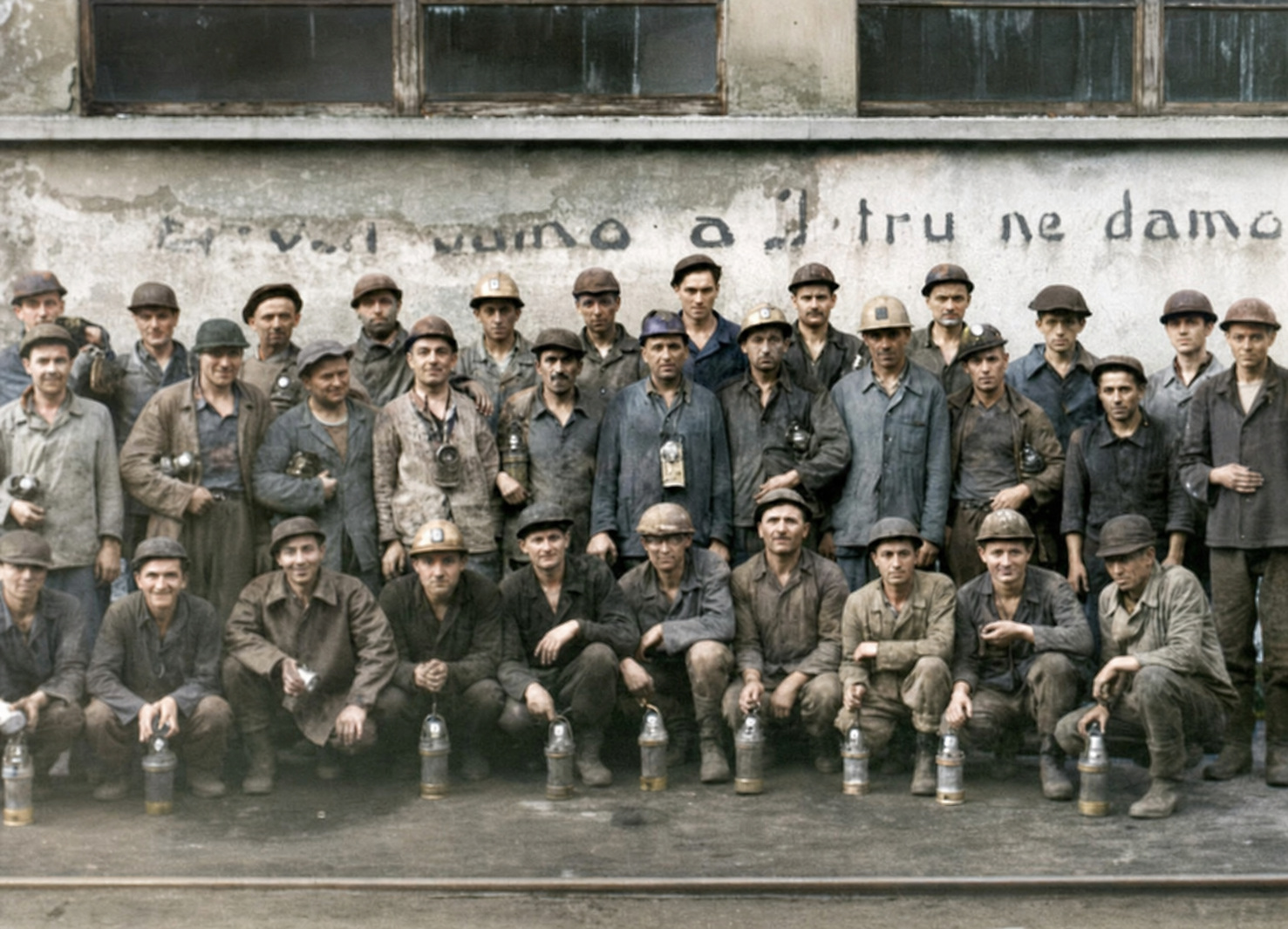
People affected by carbon monoxide required monitoring after they were brought out. Vorano’s study discusses follow-up for gas poisoning and the danger of secondary pneumonia. In other words, the boundary between rescue and recovery was not the mine entrance. Survivors could deteriorate later, and the medical consequences continued while the town was already counting its dead.
This is one reason simplified accounts built only around an explosion miss much of the disaster. The event unfolded through blast, gas, evacuation, hospital care and delayed complications. A mine catastrophe is a chain of emergencies rather than a single moment. Recognising that chain gives medical workers and survivors a place in the history without attributing undocumented actions to individuals.
A Town of Families, Not Only a Production Unit
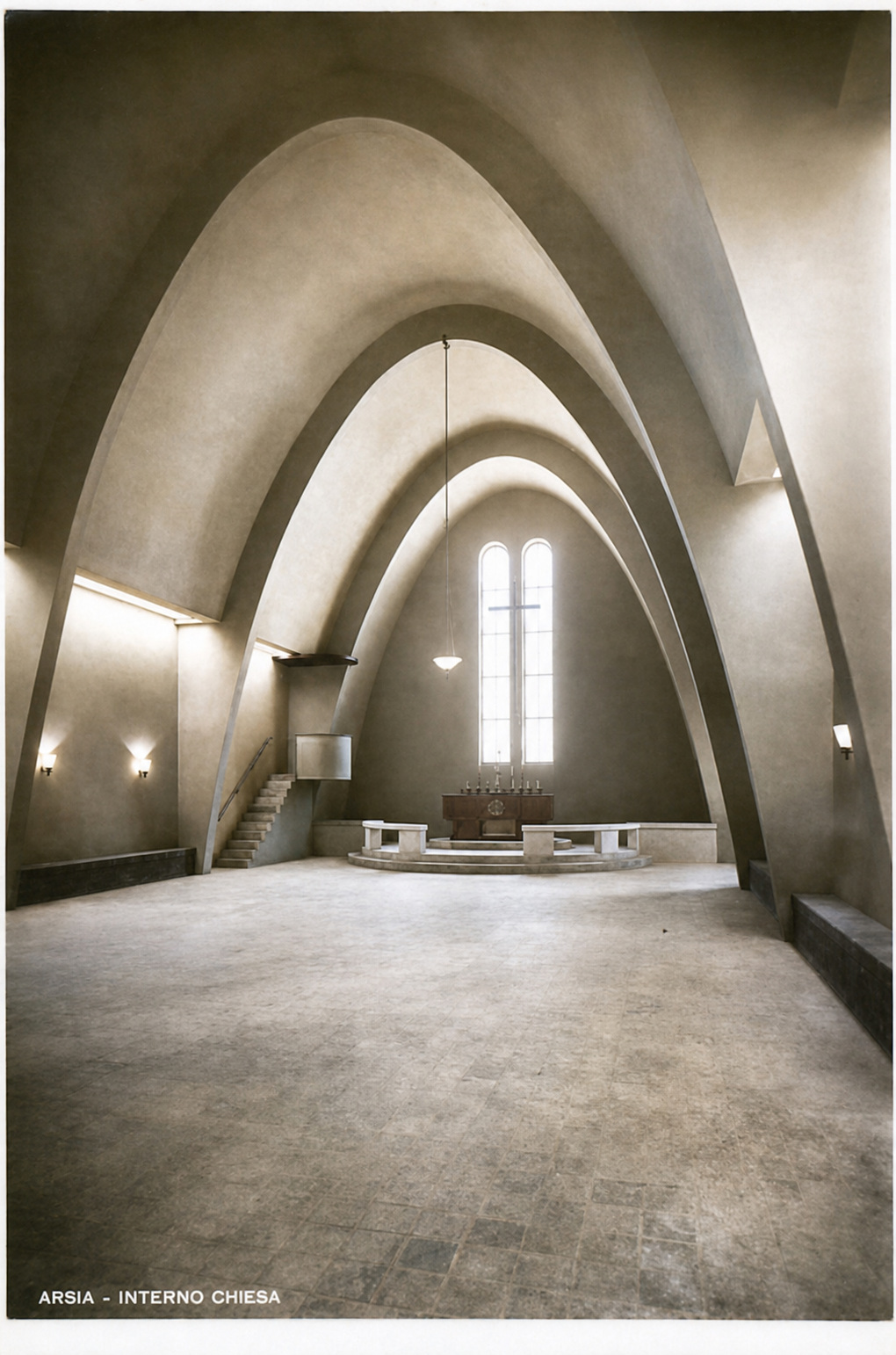
Raša’s rational plan divided housing according to position in the mining hierarchy, but the explosion cut across administrative diagrams. Homes, school routes, the church and the square were suddenly connected by absence. The archive offers photographs of groups and buildings; it cannot fully show the private work of notification, mourning, childcare and economic uncertainty that followed.
The everyday world around the mine is explored in our history of life after the shift in Raša. Read beside the disaster, those cinemas, cafés, gardens and classrooms acquire a different weight. They were not decorative amenities in a model town; they were the places where a bereaved community had to continue living.
Production Pressure Is Context, Not a Proven Cause
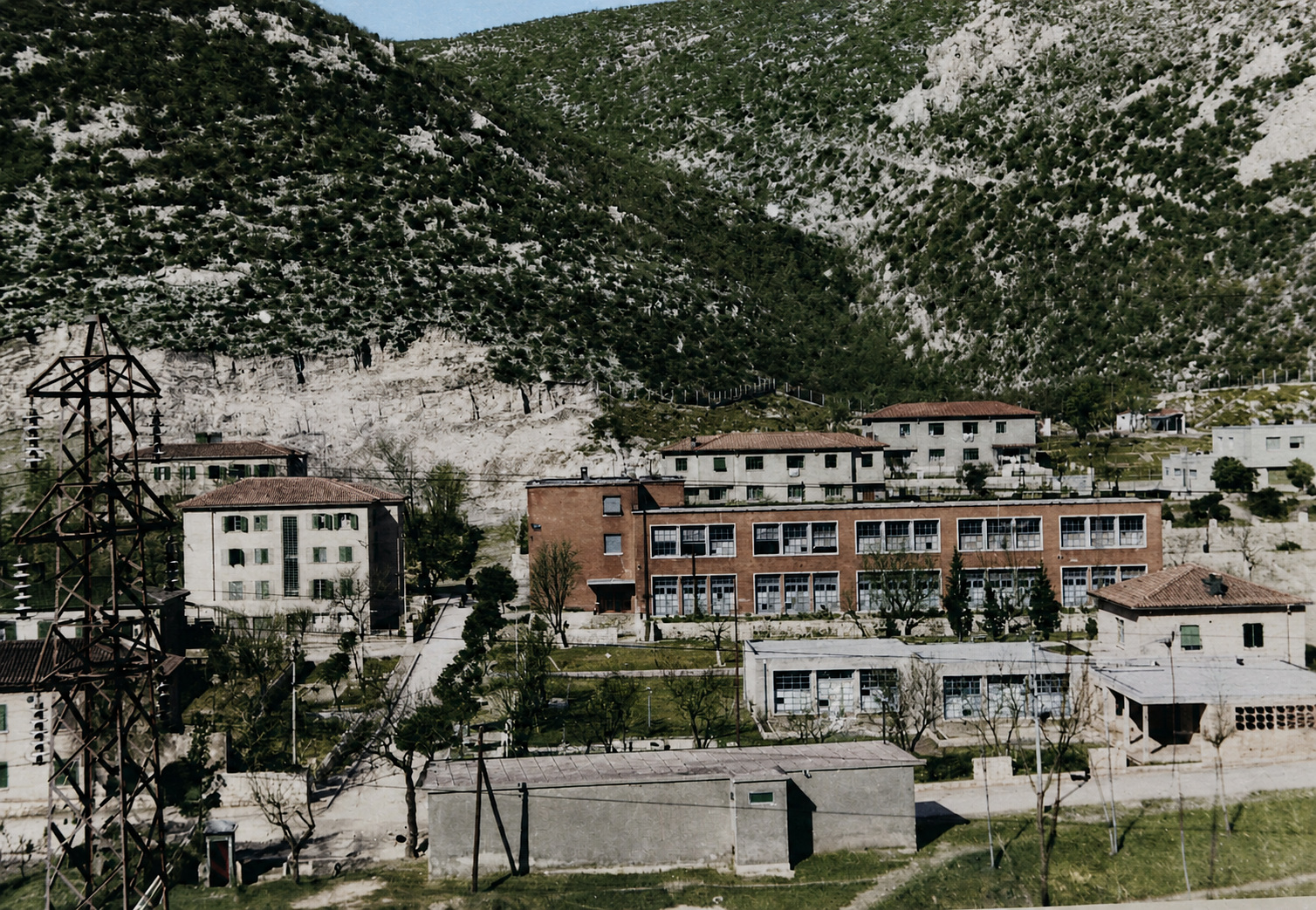
The disaster occurred within Fascist Italy’s drive for economic self-sufficiency. Coal output and employment in the Labin–Raša basin had expanded rapidly, and official regional histories describe a workforce approaching 10,000 and production moving toward one million tonnes a year around this period. The new town itself was part of that accelerated industrial programme.
It is reasonable to place the explosion inside this environment of speed, expansion and political pressure. It is not responsible to claim, without direct evidence, that a specific production order caused the blast. Context can explain why so many people were underground and why the industry mattered to the regime; it cannot substitute for a technical finding. The distinction protects the article from turning political interpretation into forensic certainty.
The Mine Continued After the Disaster
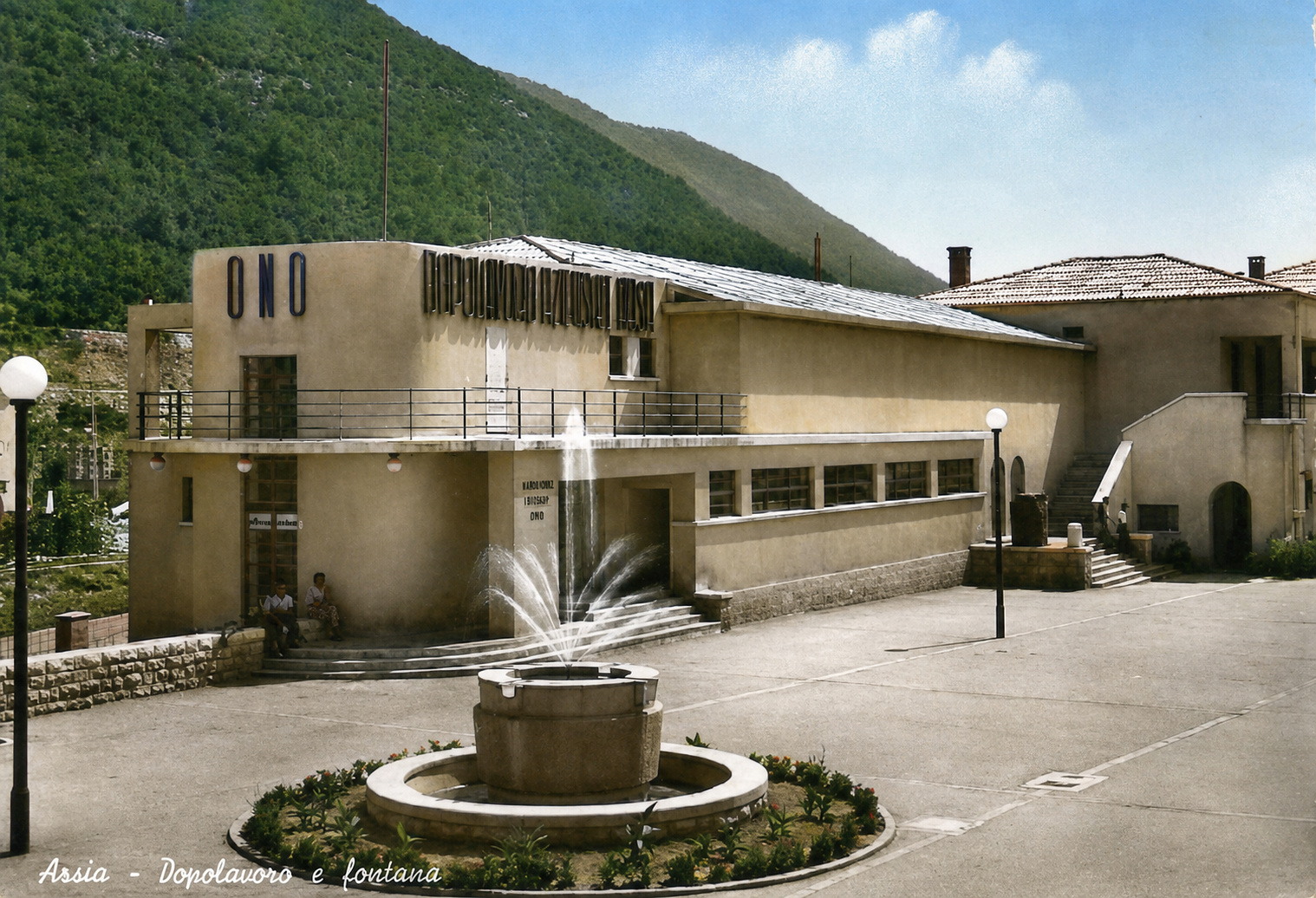
One of the hardest facts in Raša’s story is that extraction continued. Coal remained strategically important, and the wider mining system survived changes of regime, wartime occupation and post-war reconstruction. Official Labin heritage material records a regional production peak of 1,158,000 tonnes in 1942, only two years after the catastrophe.
That continuation should not be read as proof that the town forgot. Industrial communities often have few immediate alternatives, while states and companies continue to demand output. Work can resume before grief has ended. Our article on Raša’s vanished coal railway follows the transport system that carried coal from the pits toward the sea, while Raša through the archive places the town inside the longer visual history of Istrian mining.
What Changed—and What Did Not
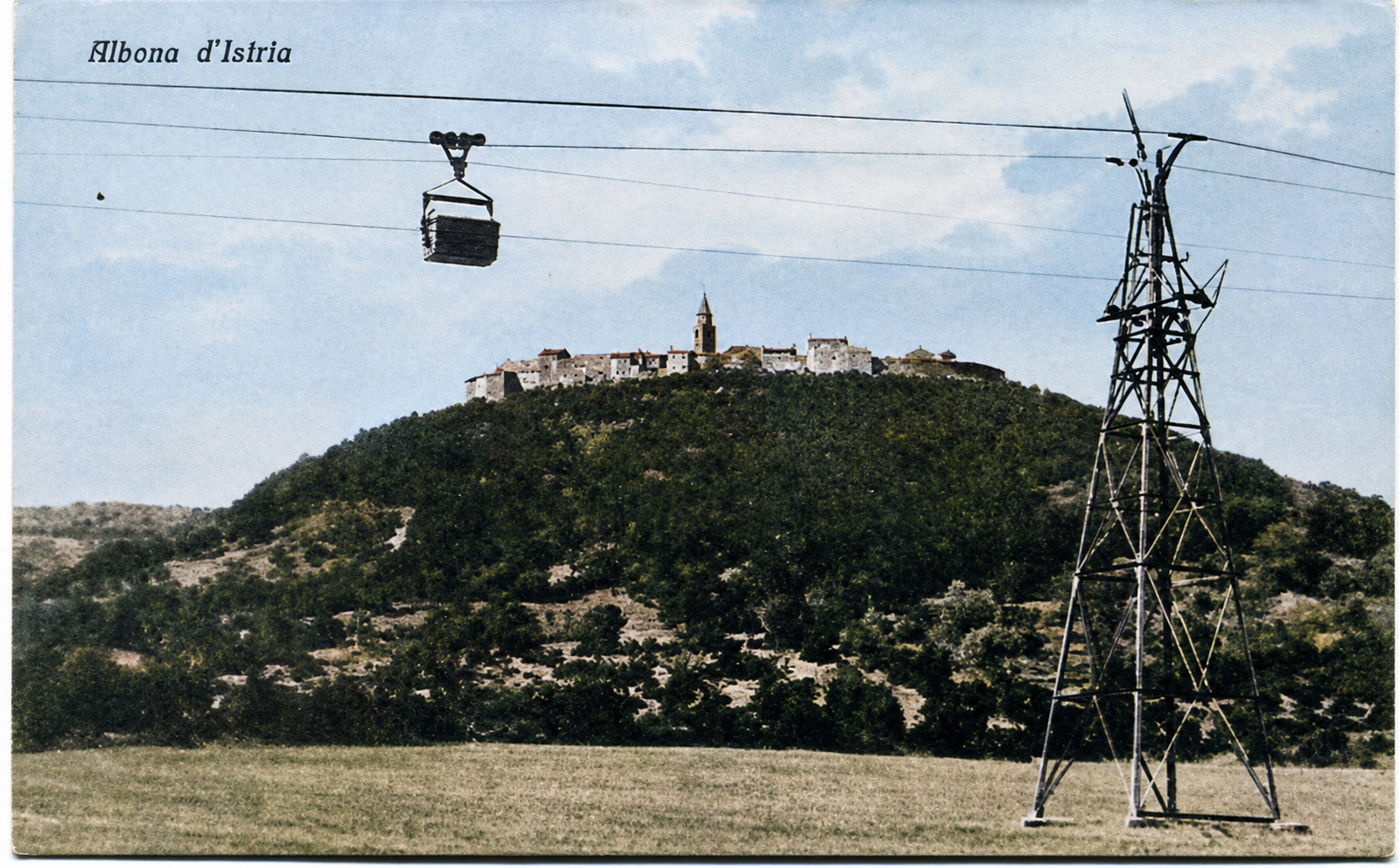
The tragedy became part of local mining memory, medical history and public commemoration. It also revealed a contradiction that never disappeared: the industry could build housing, institutions and a modern town while exposing workers to hazards capable of destroying hundreds of lives in one shift. Architecture above ground could look controlled even when underground conditions remained volatile.
Yet Raša was not abandoned or frozen at the date of the disaster. Residents returned to school, work, worship and public life. Later photographs show new vehicles, altered signs and post-war routines in the same streets. The town changed because 185 people were missing, not because every visible building changed. That makes absence the most difficult historical layer to photograph.
How Raša Remembers in 2026
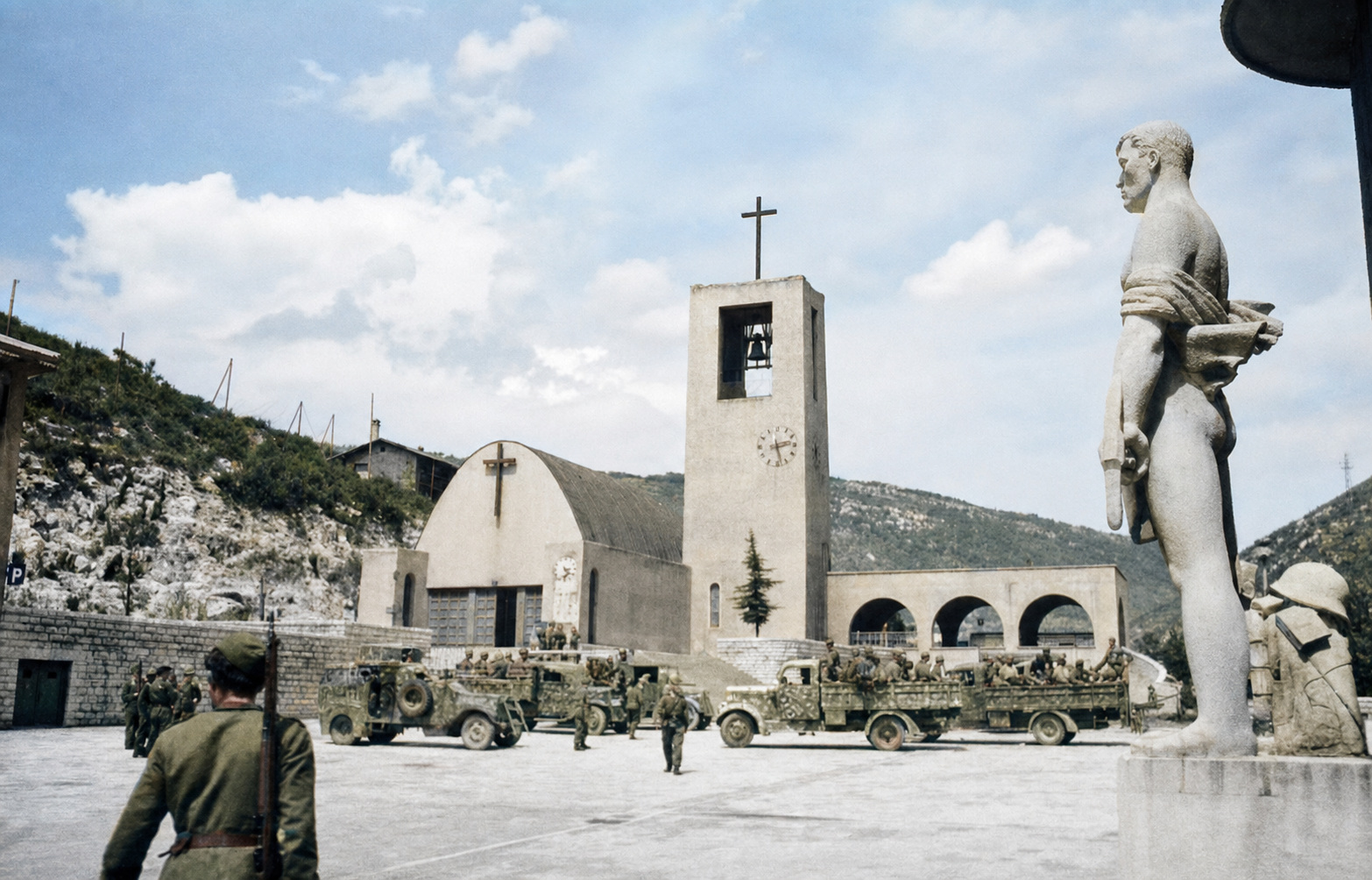
On the 86th anniversary in 2026, commemorations again centred on the memorial plaque, the Alma Mater Dolorosa memorial bell and St Barbara’s Church. The bell rang 185 times—once for each miner. Wreaths and a memorial Mass placed the event in both civic and sacred space, linking the industrial town’s plan to a living ritual of remembrance.
The table below separates firmly documented facts from careful historical interpretation. It is designed to prevent a common problem: repeating a likely explanation until it sounds more certain than the source. Respect begins with accuracy.
| Question | Documented evidence | Responsible wording | Avoid overstating |
|---|---|---|---|
| When? | 28 February 1940, about 4:45 a.m. | The first event occurred during work underground. | Do not invent a minute-by-minute rescue narrative. |
| What happened? | Blasting was followed by a probable coal-dust explosion, shock wave and carbon monoxide. | Describe the cause as probable, following the surviving report. | Do not present a fully reconstructed ignition chain as proved. |
| Human toll | 185 dead More than 100 injured |
Use the exact commemorative death toll. | Do not add unsourced personal details or victim lists. |
| How is it remembered? | Memorial plaque, Alma Mater Dolorosa bell and St Barbara’s Church. | The bell rang 185 times at the 2026 commemoration. | Do not treat the memorial as entertainment or an abandoned attraction. |
How to Visit Without Turning Tragedy Into Spectacle
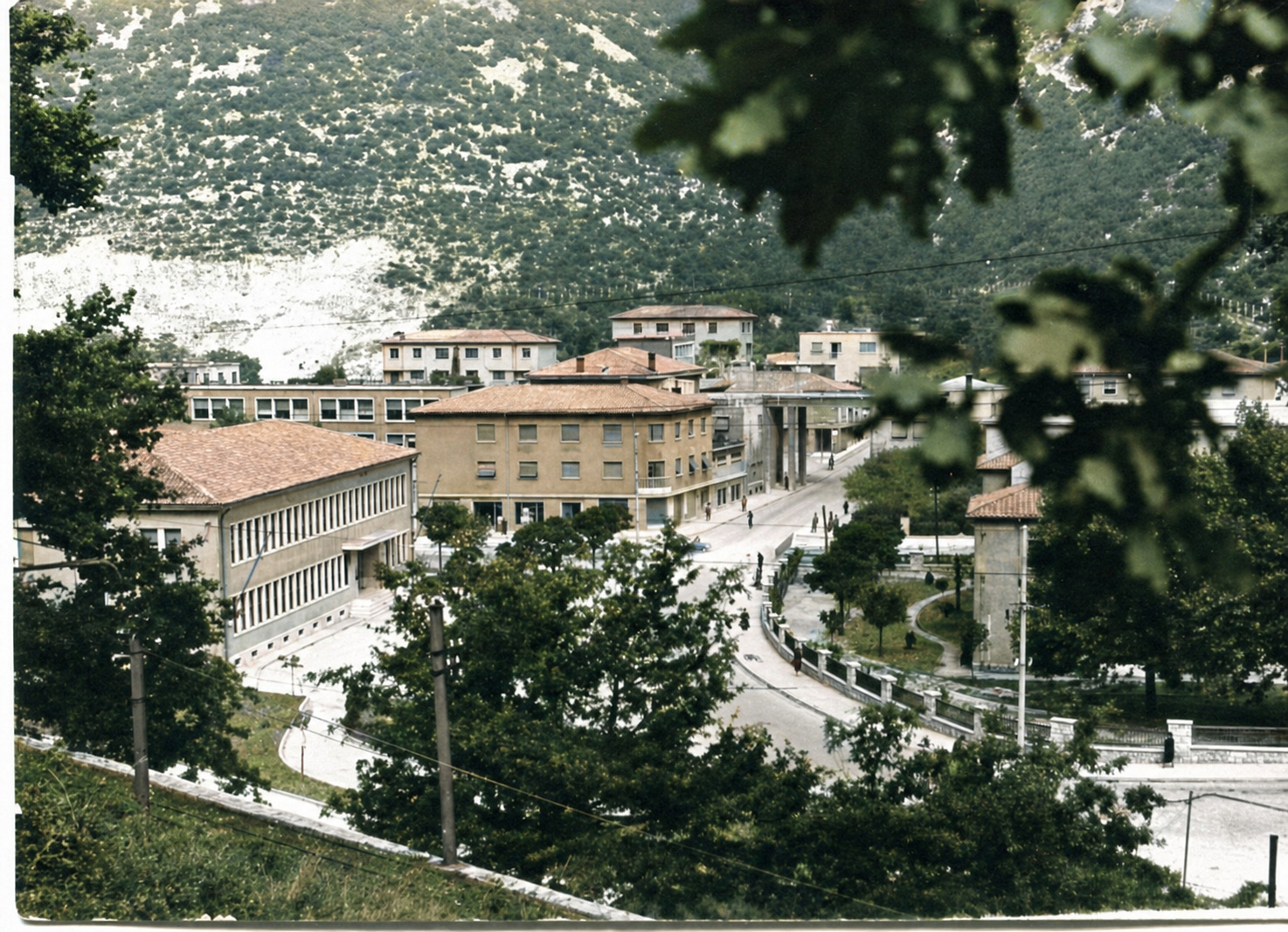
Start in Raša’s central square and read the town as a connected system: St Barbara’s Church, civic buildings, housing and the route toward the former industrial zone. The memorial elements deserve quiet attention. Do not cross barriers, enter mine portals, climb industrial structures or treat derelict areas as adventure scenery. Historic mining sites can contain unstable surfaces, hidden drops and hazardous materials.
For broader context, compare the square with Raša’s planned mining architecture and the labour traditions described in the 1921 Labin Republic. Photographs can help visitors notice continuity, but the purpose is not to recreate the disaster. The most meaningful visit recognises Raša as a living town that remembers workers, not as a ruin built for dark tourism.
Frequently Asked Questions
When did the Raša mine disaster happen?
The disaster began at approximately 4:45 a.m. on 28 February 1940, during underground work in the Raša mining complex.
How many miners died in Raša in 1940?
The figure used by the Municipality of Raša and current commemorations is 185 miners. More than one hundred people were injured.
What caused the 1940 explosion?
The surviving report cited in historical research describes a probable coal-dust explosion during blasting, followed by a shock wave and intense carbon-monoxide production. The word “probable” should be retained.
Can visitors see a memorial in Raša?
Yes. Contemporary commemorations use the memorial plaque, the Alma Mater Dolorosa bell and St Barbara’s Church. Visitors should remain in public areas and approach the sites respectfully.
Final Thoughts
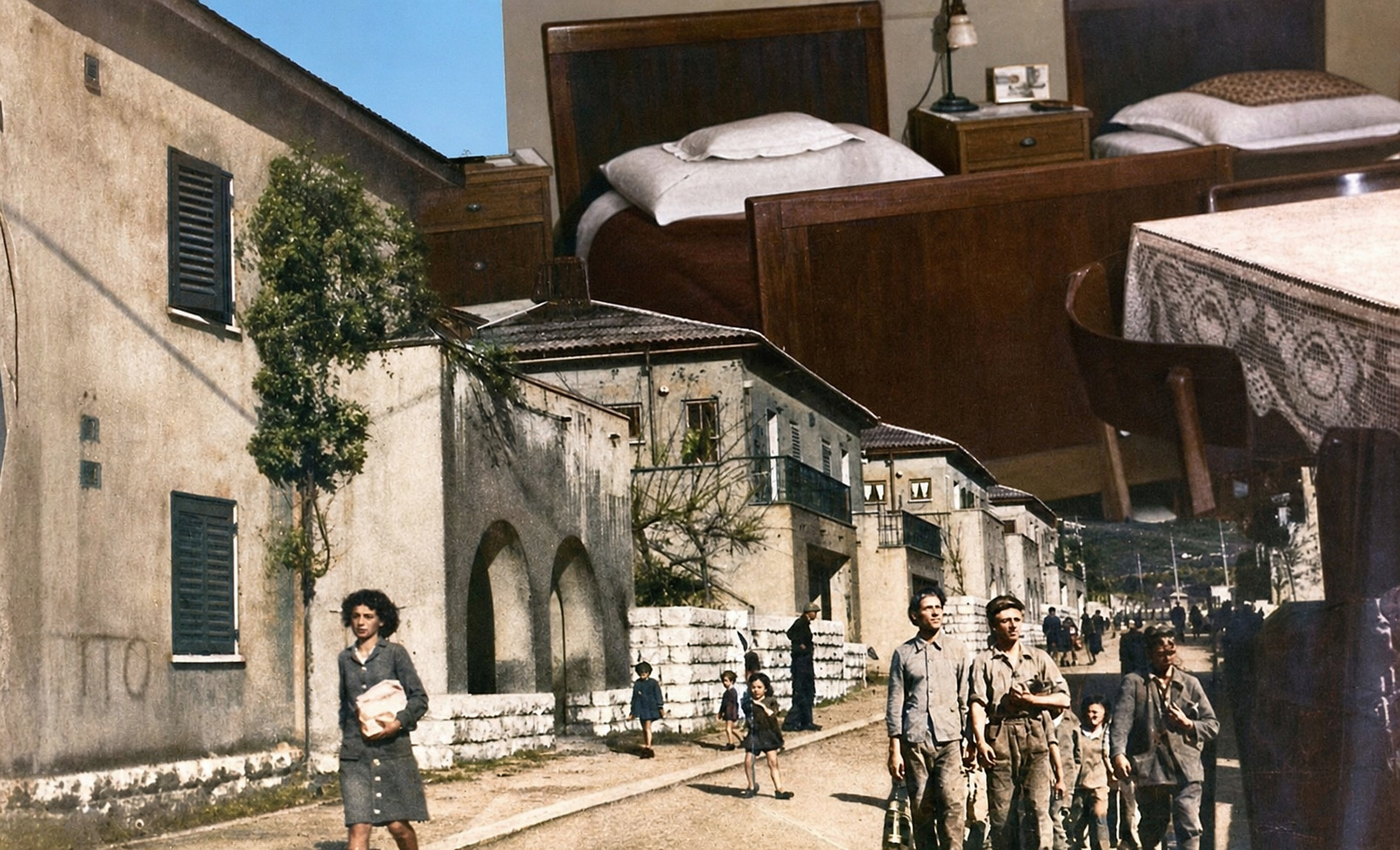
Raša’s most important historical lesson is not that a model town failed to be perfect. It is that modern architecture, medical organisation and industrial ambition could coexist with catastrophic underground risk. The ordered square above and the unstable workings below belonged to the same system.
The town did not remain silent forever. It returned to work and daily life, carried its mining identity through war and political change, and created a ritual in which one bell stroke stands for one person. Eighty-six years later, in 2026, those 185 strokes still insist that the disaster be remembered precisely—without spectacle, euphemism or invented certainty.