
From Ten Houses to a Resort: How Rabac Reinvented Itself by the Sea
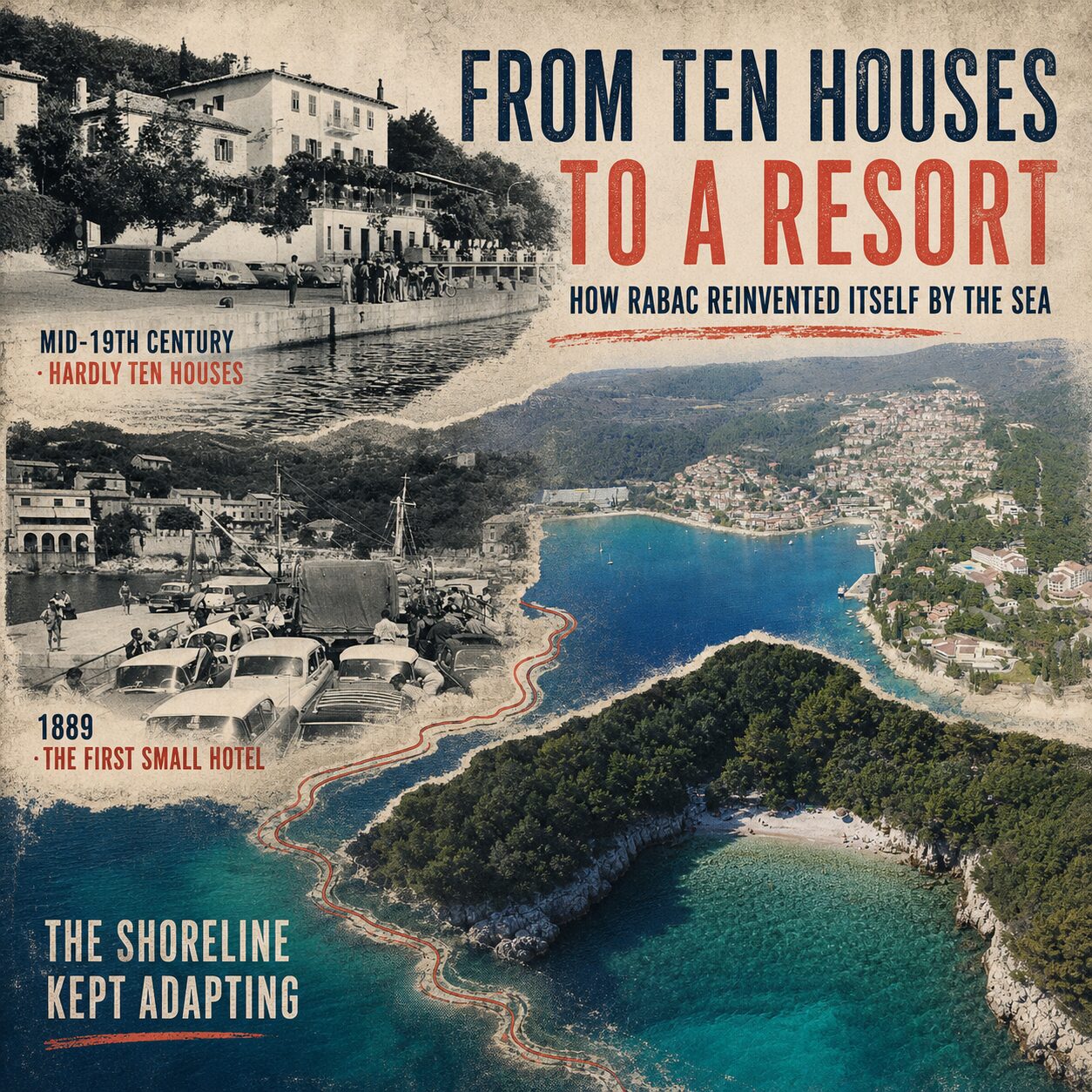
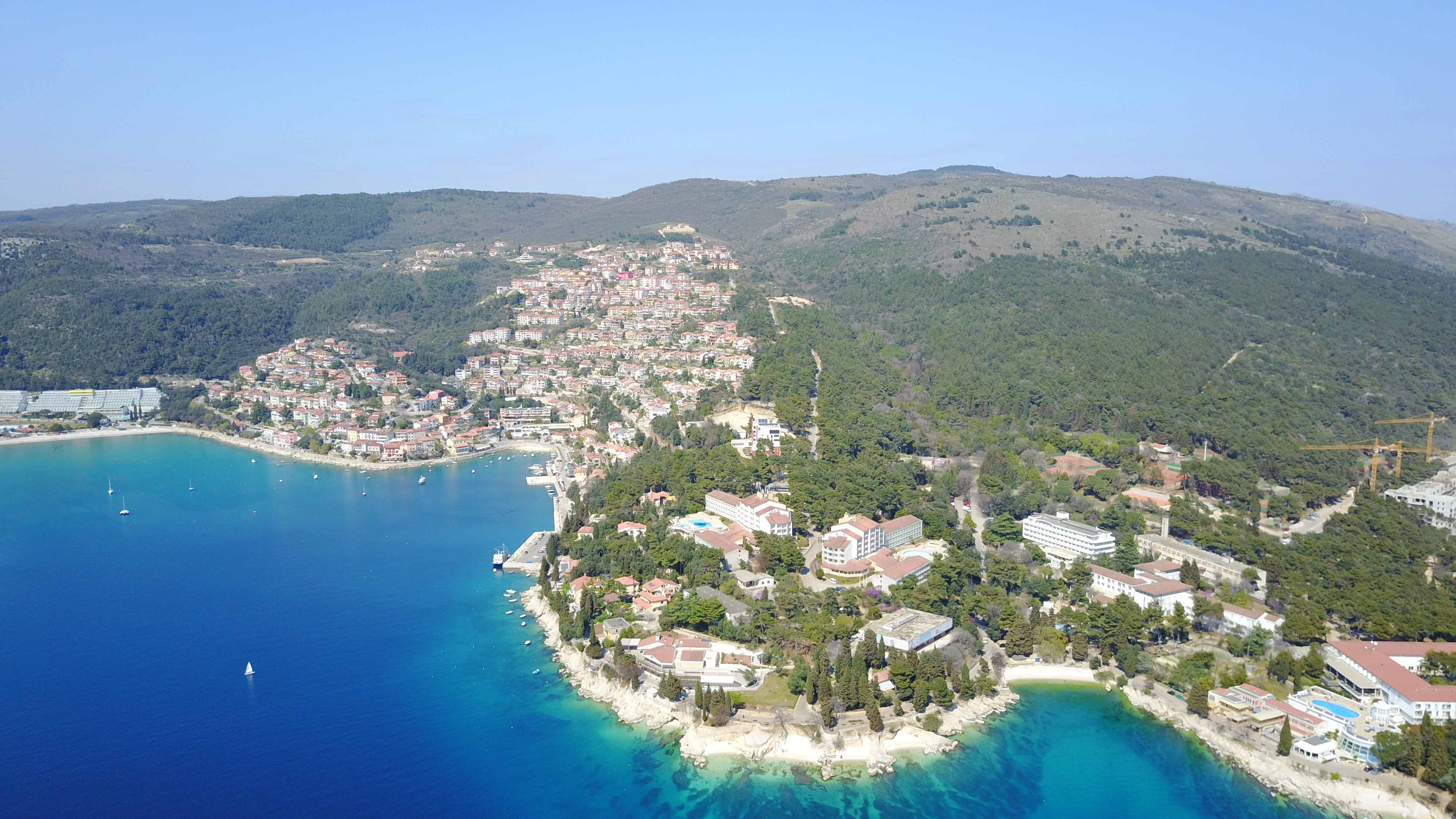
Approach Rabac from the road above the bay and the place looks inevitable: hotels follow the curve of the coast, apartment roofs climb the hillside, and beaches, piers and paths stitch one cove to the next. Yet little about this arrangement was inevitable. In the middle of the nineteenth century, official local history describes Rabac as a fishing village of hardly ten houses.
The distance between those ten houses and today’s resort was not crossed in one building boom. It happened in stages: a curious British traveller, private villas, a first hotel with only a handful of rooms, family-run accommodation, interwar expansion, wartime rupture and the decisive construction of the 1960s. Rabac did not simply receive tourism; it repeatedly adapted its shoreline, homes and identity to it.
That layered story changes how the modern coast looks. A harbour is no longer only a place to photograph boats. A row of rooms above the water belongs to a much older hospitality pattern. Even the steepness that now creates postcard views once limited construction and forced the settlement to grow in narrow bands between slope and sea.
Key Takeaways

A Village of Barely Ten Houses
In the mid-19th century Rabac was still a tiny fishing settlement rather than a holiday destination.

Hospitality Began Small
The first hotel opened in 1889 with only a few rooms and a pub inside a family house.

Private Rooms Mattered
Before large-scale construction, local households absorbed growing demand from visitors across the Adriatic.

The 1960s Changed the Scale
Hotels, tourist villages, a campsite and private accommodation turned the cove into a modern resort.
Before the Visitors: A Working Fishing Cove
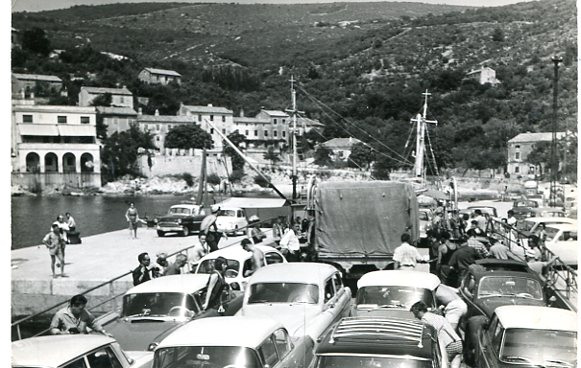
Rabac’s earliest character came from the bay itself. Families fished, sailed and used the sheltered waterfront as working space. The local tourist board notes that Rabac’s residents were known as skilled fishers and mariners and at one time owned about ten sailing vessels. Those boats connected a small settlement to a much larger Adriatic world.
The shoreline therefore began as infrastructure rather than scenery. Boats needed landing places, catches needed to be handled, and houses had to occupy the limited ground between water and hill. The same compact geography that later attracted visitors first trained the village to live efficiently beside the sea.
1826: A Name Enters the Record
The German-language history published by the Labin–Rabac Tourist Board gives 1826 as Rabac’s first land-registry mention. A registry date is not a founding date; people and maritime activity existed in the wider bay before a bureaucratic entry fixed the name on paper. It is useful because it places Rabac firmly within the nineteenth-century coastal economy before tourism became its public identity.
At that point the village had no grand promenade and no resort skyline. Paths followed practical routes, houses faced local needs, and the hinterland mattered as much as the sea. Labin, high above the coast, supplied the administrative and commercial centre. Rabac was its modest maritime edge rather than a rival destination.
1876: Richard Francis Burton Looks at the Coast
Rabac entered travel writing before it entered mass tourism. In 1876 the British explorer and writer Richard Francis Burton stayed in the village and later discussed the area in a text titled The Istrian Coast. His visit is often treated as the beginning of Rabac’s discovery, but that word needs care: residents had already built lives and routes here long before an outsider described them.
What Burton’s presence really signals is a change in audience. The coast could now be read not only as a workplace but as an experience worth travelling for. Clear water, shelter, views and a quiet setting began to acquire exchange value. A landscape locals used every day was becoming a destination in someone else’s itinerary.
Villas Before Hotels
The first purpose-built signs of leisure were villas rather than large hotels. Affluent visitors sought privacy and climate, and new houses introduced a seasonal rhythm alongside the fishing calendar. The Prohaska family villa became particularly associated with early tourism; although it was destroyed during the Second World War, the name Prohaska still marks the area in local memory.
This villa phase matters because it shows that Rabac’s transformation began as selective, small-scale hospitality. There was no complete resort plan. Individual buildings tested whether the bay could support longer stays. Their success encouraged the next step: accommodation available to travellers who did not arrive as private guests.
1889: The First Hotel Opens Inside a House
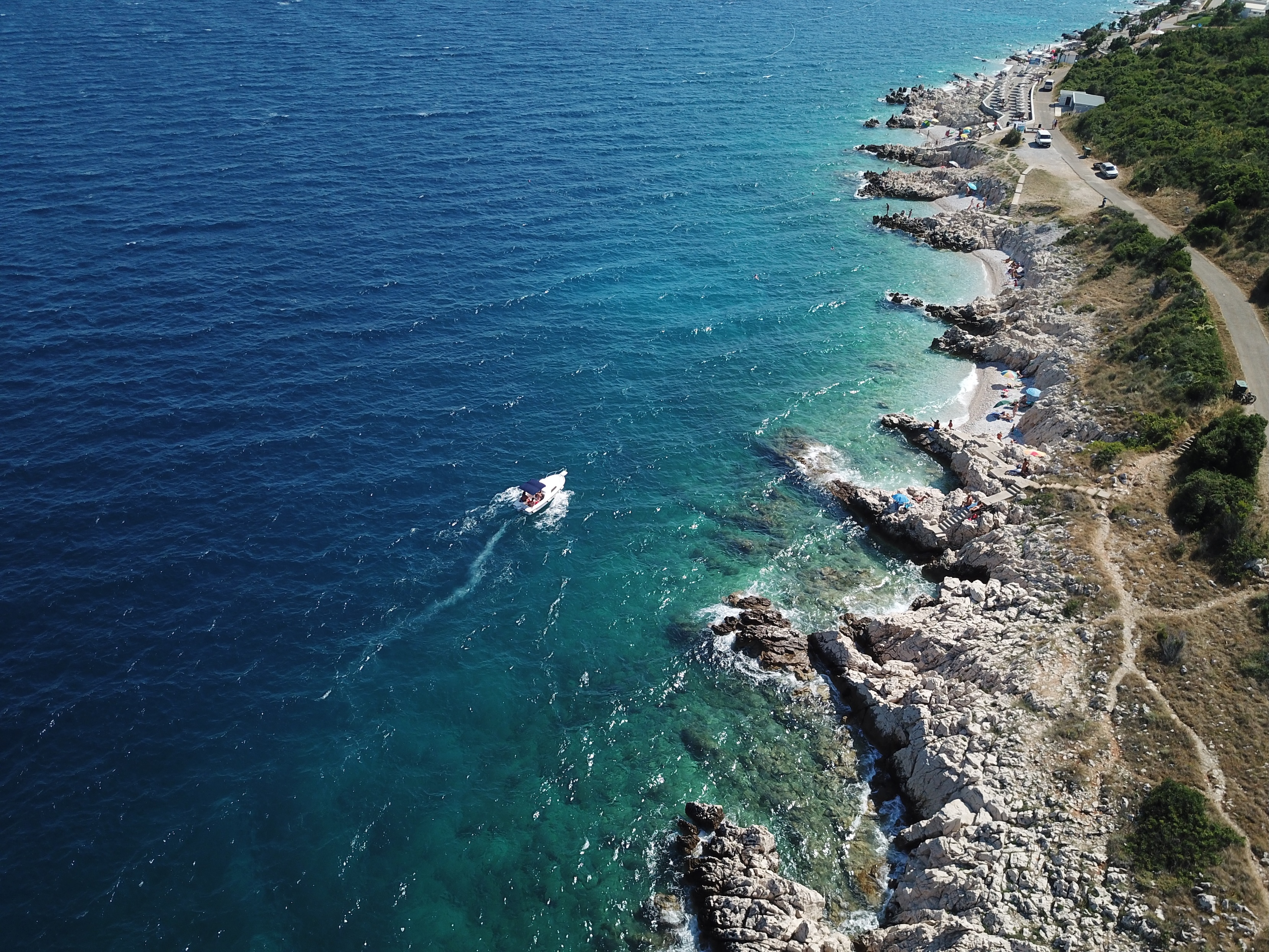
On 11 June 1889, the Quarnaro opened in the Visković family house near today’s waterfront. Official local history describes a modest operation with a few rooms and a pub. That scale is revealing. Rabac’s hotel story did not begin with a monumental lobby or a purpose-built complex; it began by adapting an existing home to a new kind of visitor.
An Austrian officer named Kaiser became a regular guest and later bought property at Dubrova near Labin, evidence that early visits could create longer relationships with the region. The first hotel was small, but it changed the logic of the village: a traveller could now arrive without personal connections and find a bed by the sea.
1907: A Royal Arrival at the Harbour
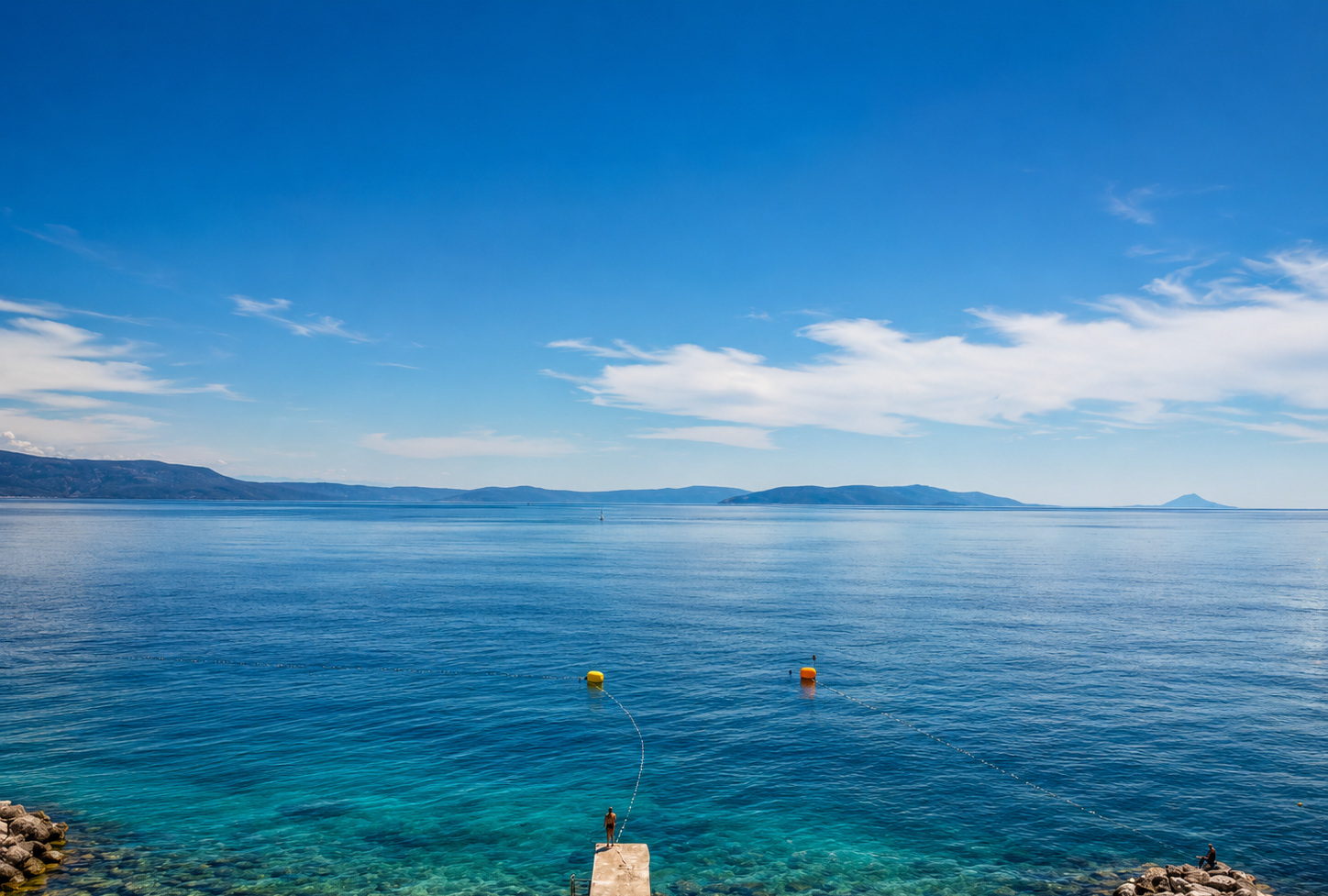
In 1907 Prince Ferdinand visited Rabac and received a ceremonial salute in the harbour. The episode sounds distant from today’s beach holiday, yet it shows that the waterfront had become a public stage. A place of fishing and loading could also host spectacle, status and the performance of hospitality.
Early fame remained limited compared with Pula, Poreč, Opatija or Lovran. Rabac was still small, less connected and physically constrained by its slope. Visitors who want the wider relationship between hill town and coast can read why Labin and Rabac work best as one itinerary.
1925: Tourism Becomes More Visible
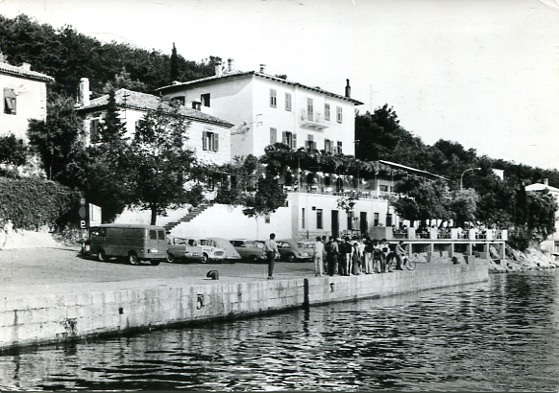
The Hotel Trieste opened in 1925 in the building later known as Primorje. Official Istrian tourism history identifies it as Rabac’s first larger hotel, marking a shift from improvised hospitality toward a more recognisable resort economy. Another hotel, Dopolavoro, followed roughly a decade later in the building now associated with the waterfront restaurant Jadran.
Names and uses changed, but the pattern remained: buildings closest to the harbour gathered accommodation, dining and social life around the same compact shoreline. The settlement was still not a mass resort. It was, however, becoming legible as a place organised partly around people who came to stay rather than to work.
Private Rooms Expanded the Village from Within
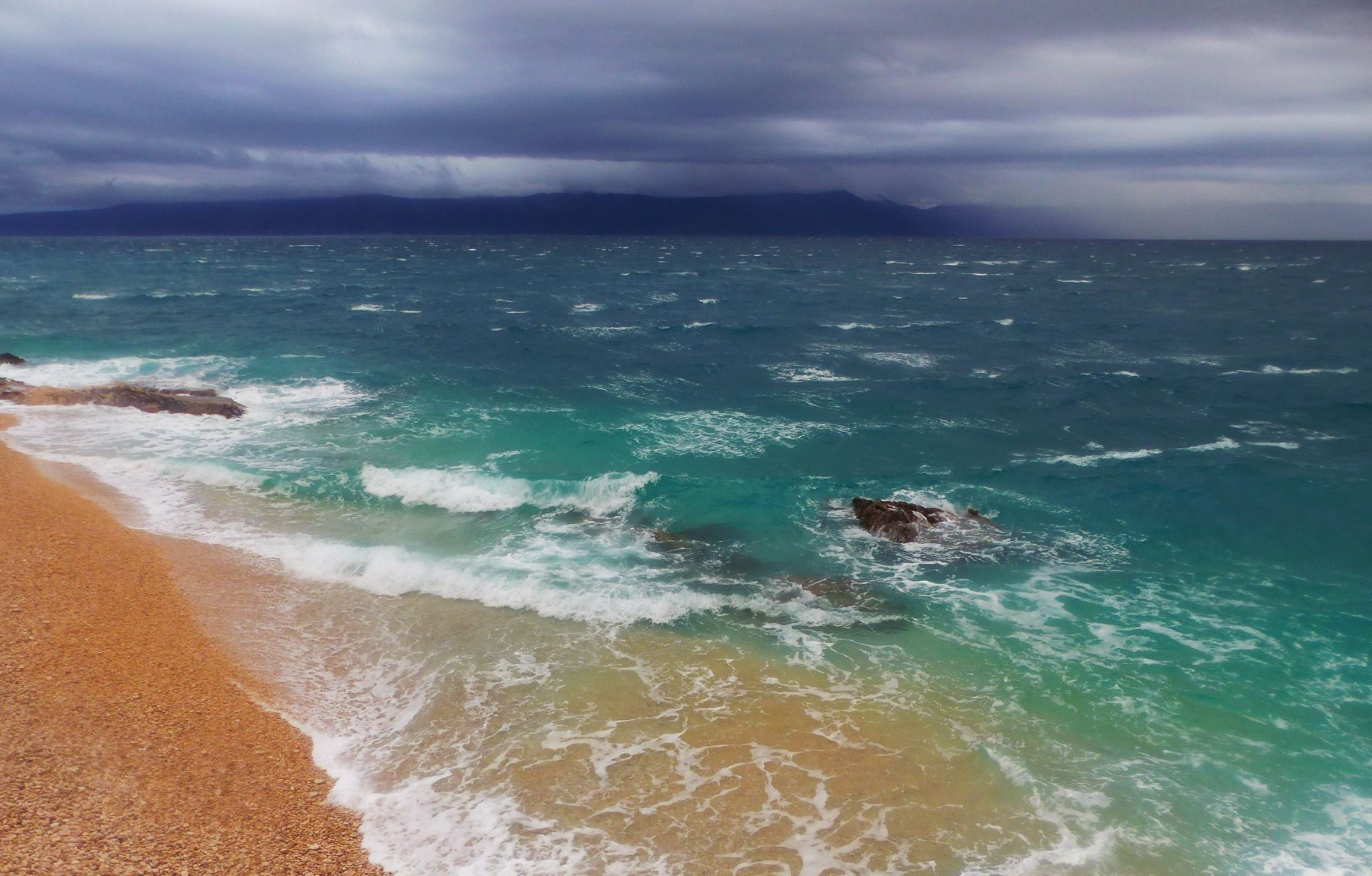
Demand did not wait for hotel construction. Visitors, particularly from northern Italy, increasingly rented rooms in private houses. This distributed tourism income through the village and allowed capacity to grow without a single developer reshaping the entire bay. A domestic room, balcony or terrace could become part of the destination.
That history explains why private accommodation feels so deeply embedded in Rabac today. It was not merely an overflow system created after large hotels filled up. Family houses helped build the resort before the resort reached industrial scale. Hospitality grew vertically up the slope, room by room, alongside ordinary domestic life.
War Interrupted More Than a Tourist Season
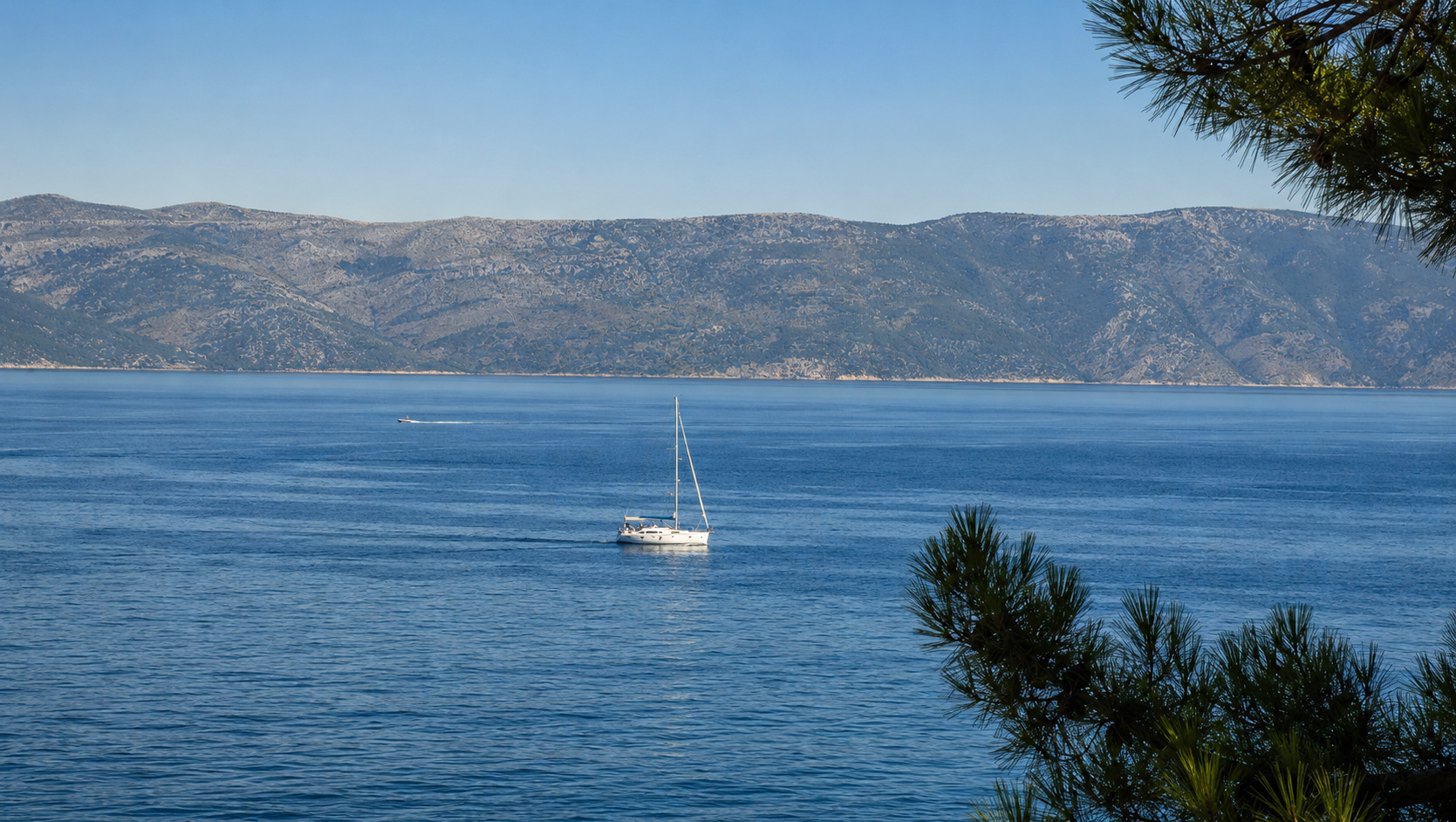
The Second World War broke the continuity of early tourism and maritime life. The Prohaska villa was destroyed, and local historical accounts say Rabac’s sailing fleet was either replaced by motor vessels or lost during the war. The interruption affected property, mobility, memory and the economic assumptions on which seasonal visits depended.
Post-war development therefore did not resume from an untouched postcard. It inherited absences as well as surviving buildings. The old fishing village remained part of local identity, but new economic priorities would soon ask the coast to accommodate a far greater number of people than nineteenth-century households could have imagined.
The 1960s: Rabac Changes Scale
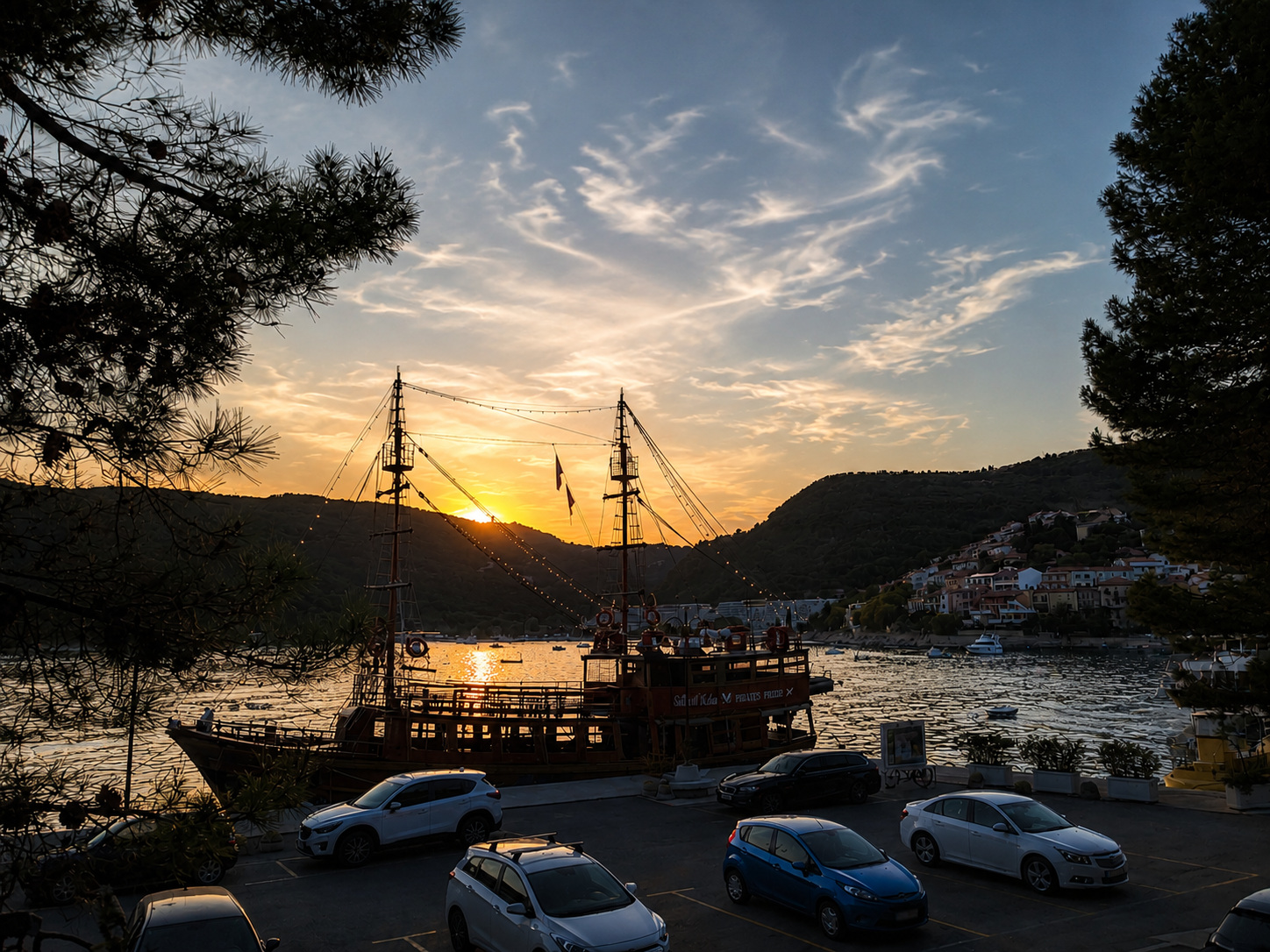
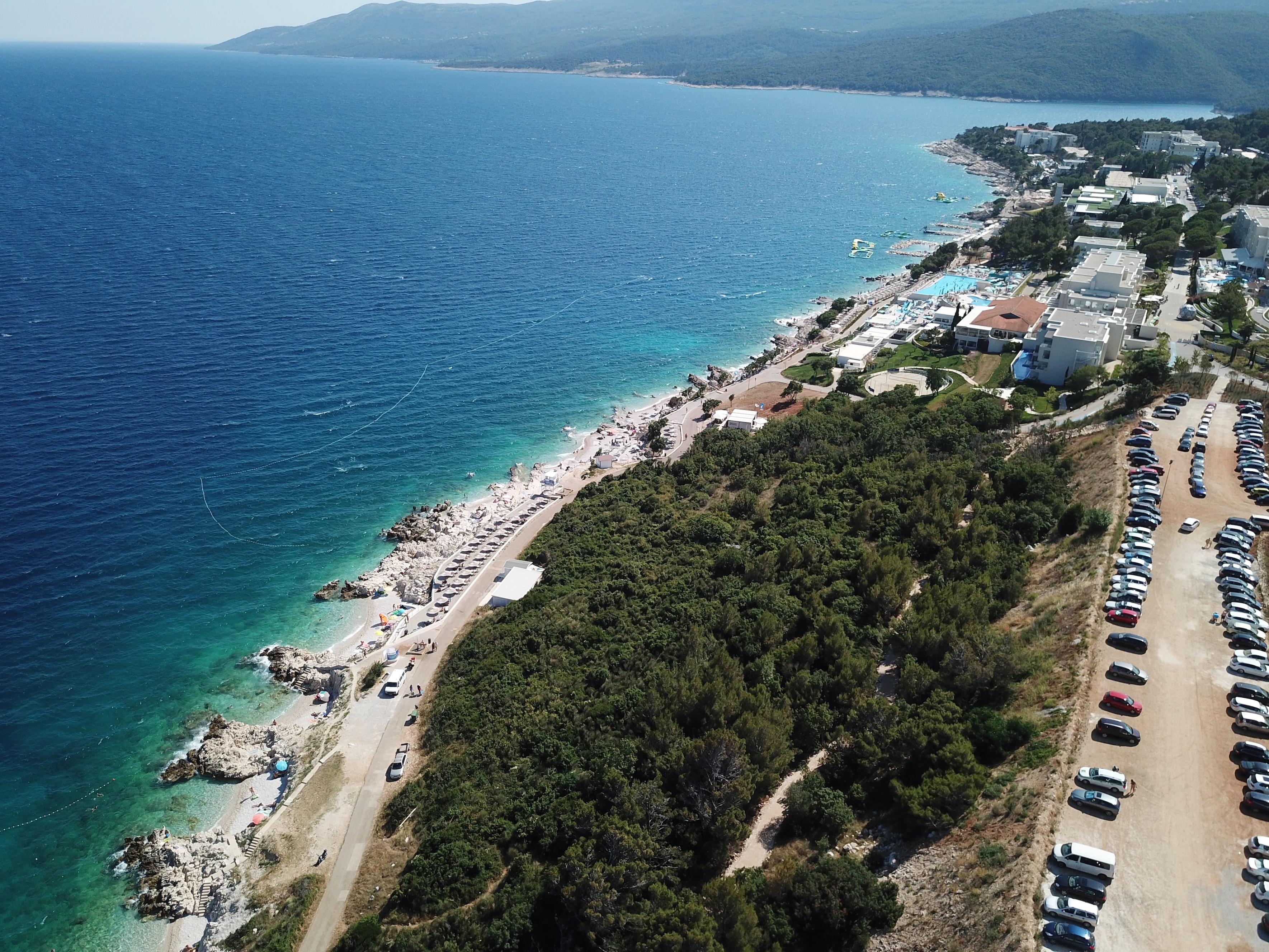
Modern tourism accelerated in the 1960s. Hotels, tourist villages, a campsite and expanding private accommodation appeared along the coast. This was the decisive shift from a village that hosted visitors to a resort whose physical form was substantially organised around them. Construction spread beyond the old harbour toward beaches and coves that could serve larger seasonal populations.
The new scale required more than beds. Roads, paths, water access, restaurant space and services had to work together. Rabac’s steep terrain made every connection consequential: a hotel could be close to the sea in horizontal distance yet separated by many steps. The resort was built as a chain of negotiated levels rather than a flat beachfront strip.
How the Shoreline Became Resort Infrastructure
A natural rocky coast does not automatically function as a resort. Piers, masonry edges, steps, platforms, paths and pebble areas turned more of Rabac’s shoreline into usable public space. Each intervention answered a practical question: where to land, where to swim, how to move between coves and how to share a narrow edge among boats, bathers and walkers.
The result is neither wholly natural nor wholly engineered. It is a layered coast in which limestone, concrete, planted shade and hotel terraces meet. That hybrid character is easy to overlook when the water is calm. In rough weather, the exposed edges reveal why access had to be designed and why some spaces work better in one season than another.
The Resort Never Erased the Village Completely
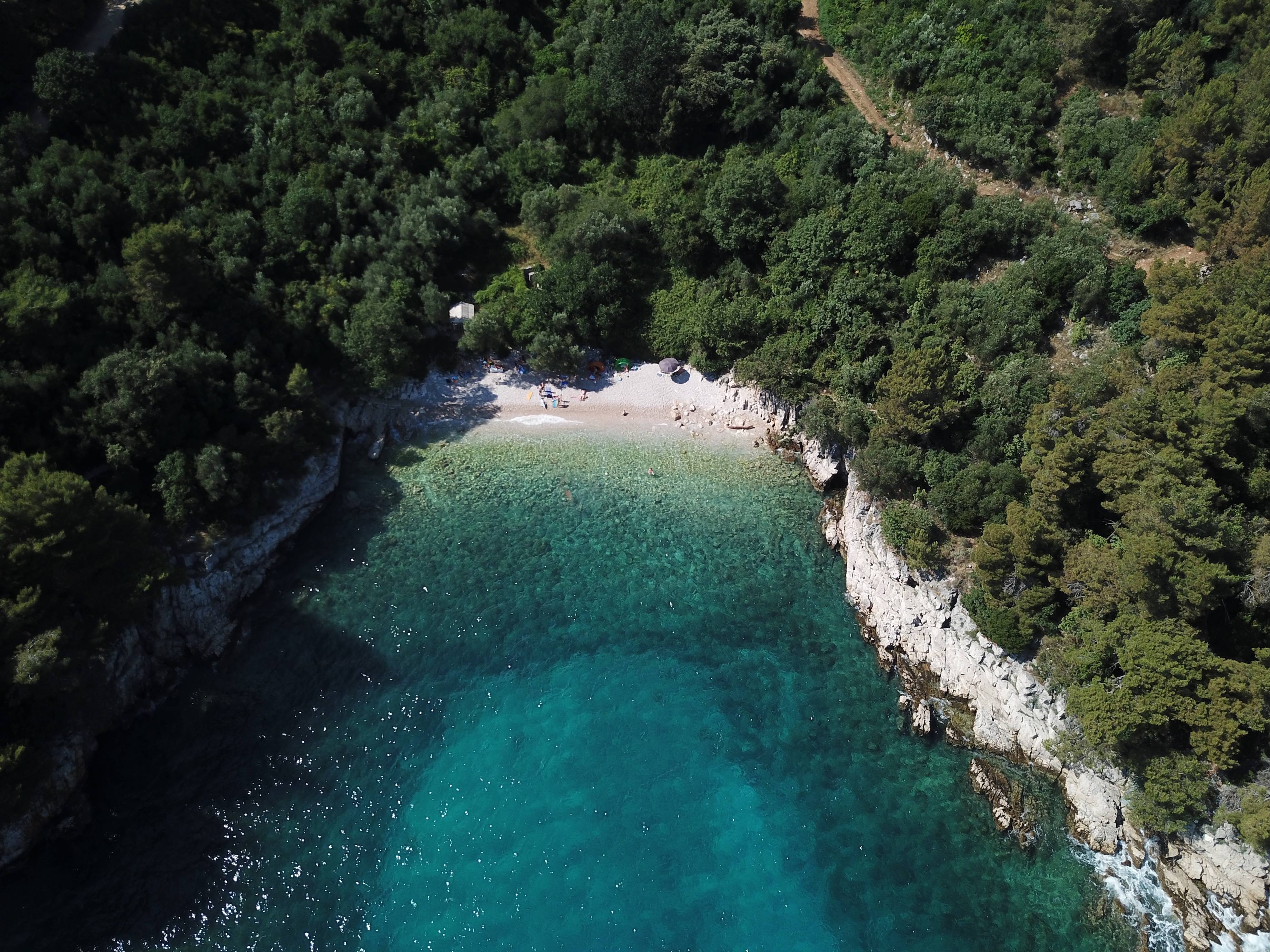
Mass tourism altered Rabac, but it did not produce a clean break. The harbour still concentrates movement and memory. Older building lines remain visible behind terraces and later façades. Boats, swimming platforms and waterfront cafés occupy overlapping zones rather than separate districts. The resort repeatedly reused the village’s most valuable asset: direct contact with a sheltered bay.
This continuity is easiest to notice outside the summer peak, when the coast is quieter and its structure becomes more visible. Our guide to when to visit Rabac explains how season changes the experience, while our honest Rabac travel tips cover the practical effects of hills, steps and busy periods.
How to Read Rabac’s History on Foot Today
Begin at the old harbour rather than at the largest beach. Look for the compact relationship between waterfront buildings, landing space and the road climbing toward Labin. From there, walk east along the coast. The sequence gradually changes from harbour edge to bathing infrastructure, larger accommodation and open resort landscapes.
Allow time to turn back. Rabac’s history is often clearer when the old core is seen against later construction on the hillside. For a contrasting route, the Sentona trail between Labin and Rabac reveals how sharply the coast sits below the inland town. Stay on public paths and treat archival identifications as historical evidence, not invitations to enter private property.
| Period | Rabac’s scale | Main form of hospitality | What changed on the coast |
|---|---|---|---|
| Mid-19th century | Hardly ten houses | Occasional private visitors | A working fishing and sailing waterfront |
| 1889 | Small coastal village | Quarnaro: a few rooms and a pub | An existing house adapted for independent travellers |
| 1920s–1930s | Growing seasonal destination | Larger hotel plus private rooms | More social and accommodation uses around the harbour |
| 1960s onward | Modern resort | Hotels, tourist villages, campsite and private rentals | Beaches, paths, access structures and services expand along the coves |
Frequently Asked Questions
Was Rabac always a tourist resort?
No. Official local history describes it in the mid-nineteenth century as a small fishing village of hardly ten houses. Tourism emerged gradually through villas, a small hotel and private rooms before expanding rapidly in the 1960s.
Where was Rabac’s first hotel?
The Quarnaro opened on 11 June 1889 in the Visković family house near the present waterfront. It had only a few rooms and a pub, making it closer to an adapted guesthouse than a later resort hotel.
Can you still see Rabac’s fishing history?
Yes, although it survives as a layer rather than a preserved open-air museum. The harbour’s scale, boat activity, waterfront alignments and the compact relationship between buildings and landing space still reveal the village beneath the resort.
How long should a historical walk through Rabac take?
Allow about two hours for an unhurried walk from the old harbour along the coastal path, with time to compare archival views and modern building lines. Add more time if you continue toward the outer beaches or climb toward Labin.
Final Thoughts
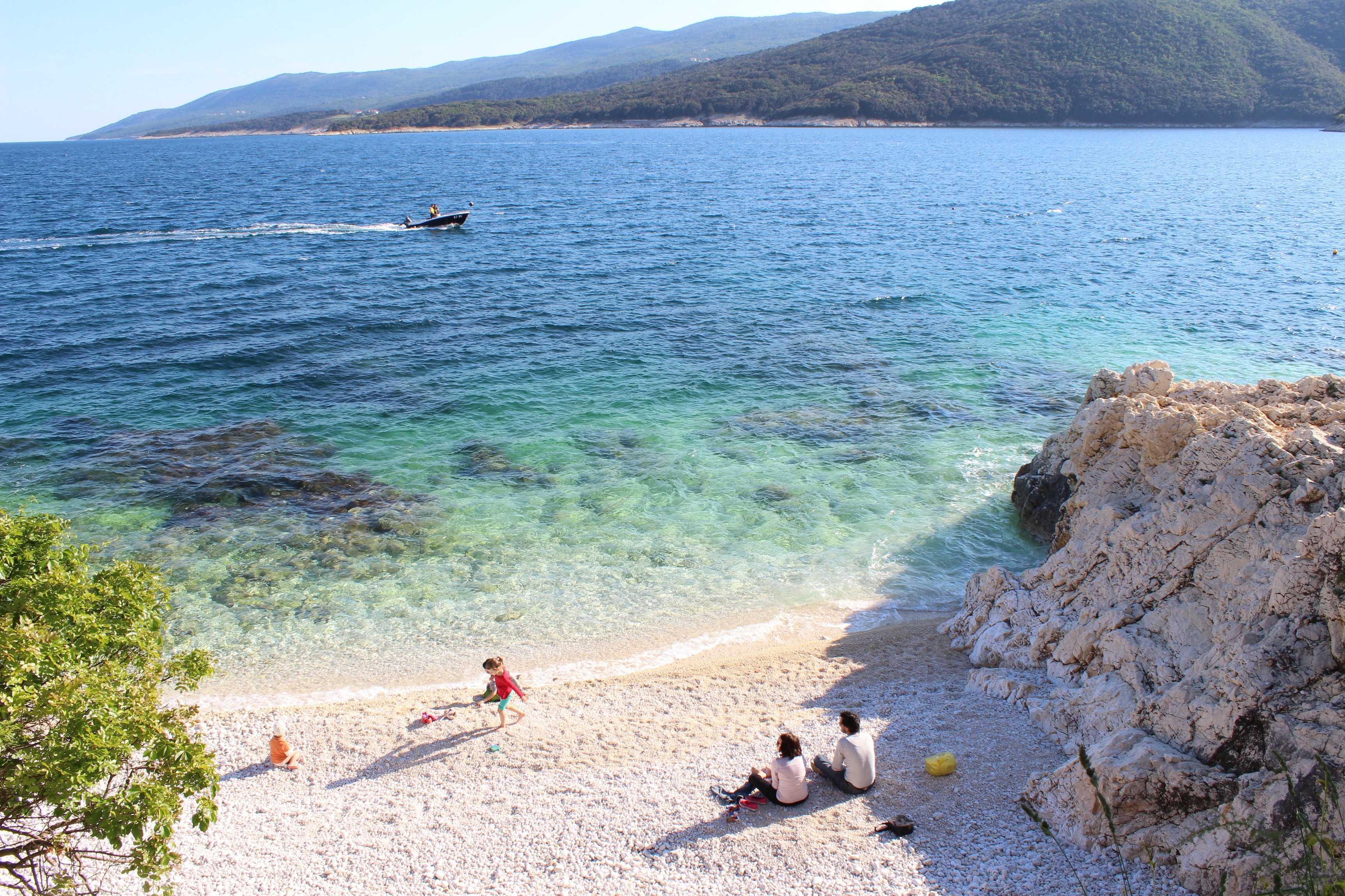
Rabac’s transformation is compelling because it was never a single before-and-after event. Ten houses became villas; a family home became a hotel; private rooms became a distributed hospitality network; and the 1960s turned that network into a resort landscape. Each phase reused what the previous one had made possible.
The best way to see that history is not to search for an untouched fishing village. It is to notice coexistence: old harbour geometry beneath later terraces, domestic buildings within a tourism economy, and swimming infrastructure attached to a working maritime edge. Rabac reinvented itself by the sea, but the sea kept every version close together.