
What Kids Actually Notice at Aquarium Pula: Jellyfish, Rays and a Fort Full of Surprises
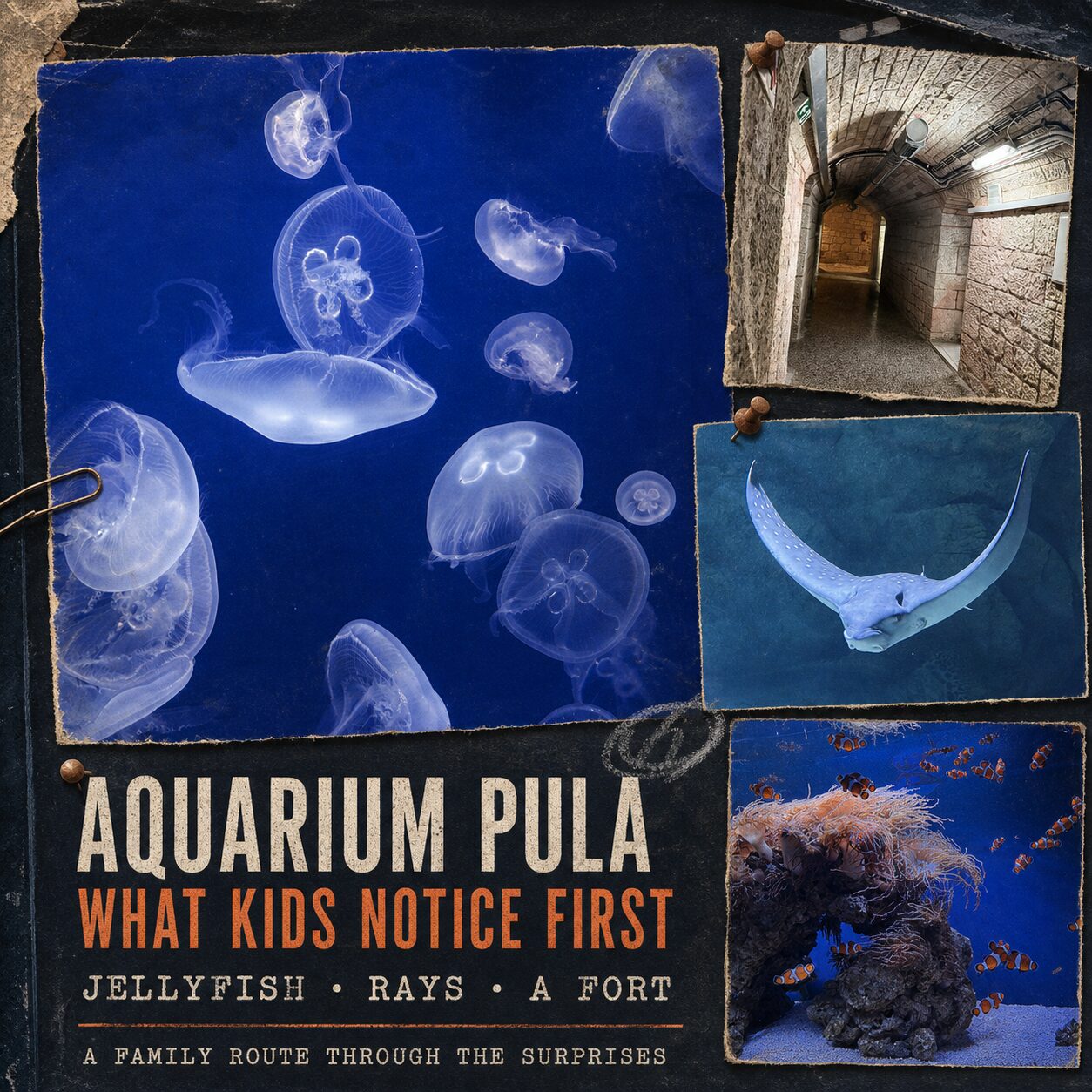
Adults tend to plan Aquarium Pula in categories: opening hours, ticket price, parking and how many exhibits fit before lunch. Children usually experience it differently. They notice the jellyfish that seem to glow without effort, the ray that turns like a flying carpet, the fish with the impossible face, and the fact that all of this is happening inside a stone fort.
That difference is useful. Aquarium Pula is large—more than 4,000 m² of indoor and outdoor space across Fort Verudela and Battery San Giovanni—so the best family visit is not an attempt to make children appreciate everything. It is a route that follows attention while protecting enough energy for the second half.
This is not our general Aquarium Pula visitor guide. It is a child-led companion to it: what tends to stop small visitors, where families are likely to slow down, and how to use the fort itself as part of the adventure. Practical information and prices below were checked against the official Aquarium Pula website on 22 July 2026.
Key Takeaways

Plan Around 2½ Hours
The aquarium recommends about 2 hours 30 minutes. Families who stop for activities, snacks or the playground may need longer.

Follow Attention, Not Labels
Jellyfish, rays, clownfish and odd shapes often win more attention than a strict species-by-species route.

The Fort Is Half the Story
Stone corridors, stairs and unexpected rooms make the building feel like an expedition rather than a standard indoor attraction.

Use One Timed Activity
In summer, shark feeding and invertebrate demonstrations can give the day a memorable centre without over-scheduling it.

Save Energy for San Giovanni
The aquarium occupies two buildings. Do not spend every reserve of patience in the first rooms of Fort Verudela.
The First Surprise Is That This Is a Fort
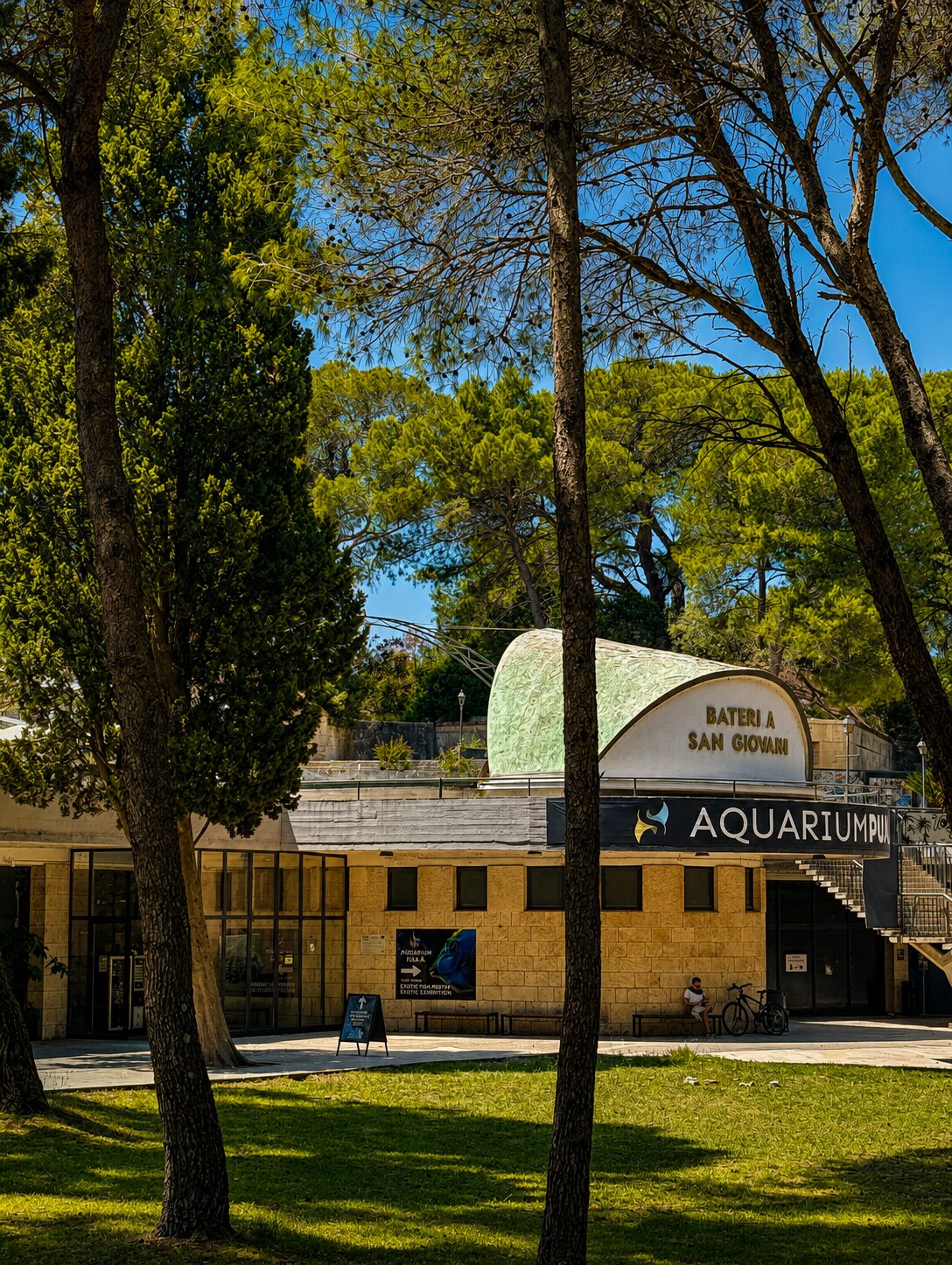
Aquarium Pula does not begin with a shiny modern atrium. It begins on the Verudela peninsula, in two coastal Austro-Hungarian fortifications. Fort Verudela is about 140 years old, and its thick walls, rounded passages and changes of level remain visible around the tanks.
For children, that is not background information. It changes the visit. A dark doorway becomes a reveal; a bend in the corridor promises another room; a stairway feels like part of a mission. You do not need to deliver a history lecture at the entrance. One sentence is enough: “This used to be a fort, and now there are animals inside it.”
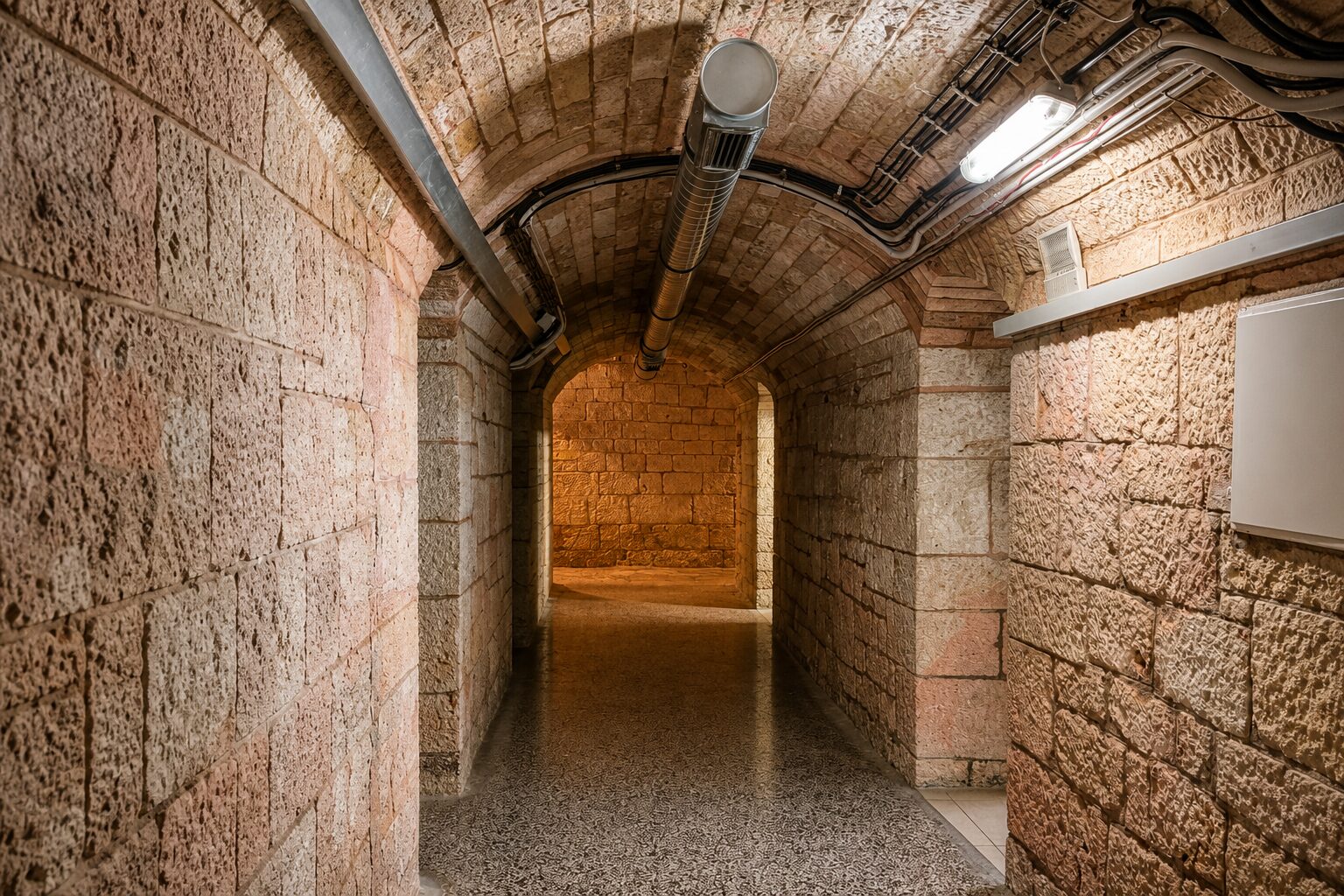
The architecture also explains some of the practical friction. Corridors can be narrow, and the official FAQ says strollers are allowed but recommends leaving them in the designated courtyard area. A mobile ramp provides access from the ground floor to the first floor of Fort Verudela, while the Battery San Giovanni exhibition is on the ground floor. Families with mobility needs should still check current conditions directly before travelling.
Jellyfish Win the Quietest Staring Contest
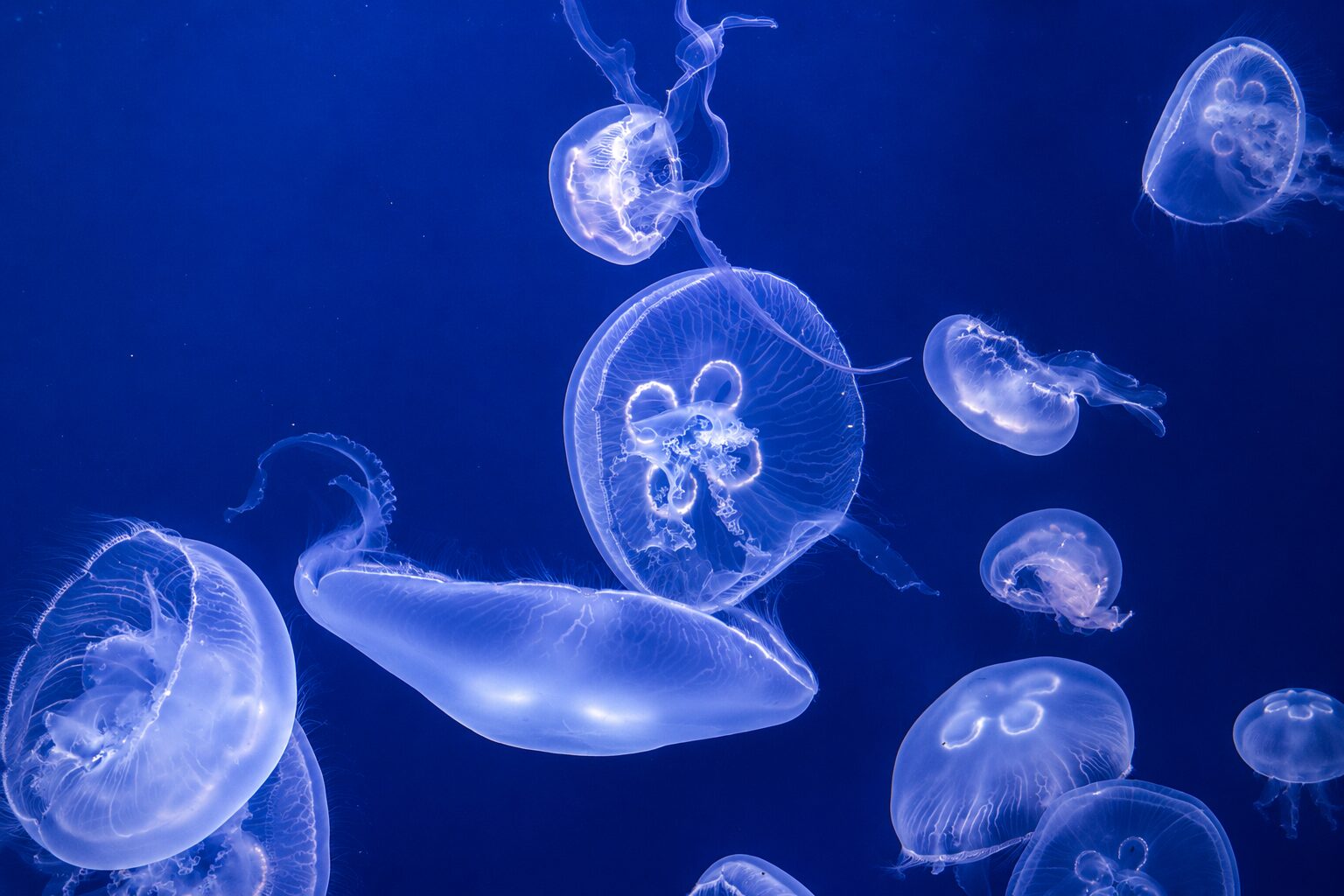
Jellyfish are often the moment when a hurried family becomes still. They do not perform in the obvious sense. They pulse, turn and overlap, and the blue light makes their bodies look drawn rather than built. Younger children may simply name shapes; older ones may ask how something without bones can move so precisely.
Let that pause happen. A child who watches one tank for five minutes is not “falling behind.” That is the visit working. Try a simple observation game instead of reading every panel aloud: which jellyfish is rising, which is turning, and which looks almost invisible?
Aquarium Pula maintains a jellyfish breeding unit, and its 2026 news includes the life cycle of Mediterranean species. The scientific story is there if your child wants it. If not, movement and light are already enough.
Rays Look Like They Have Invented Underwater Flight
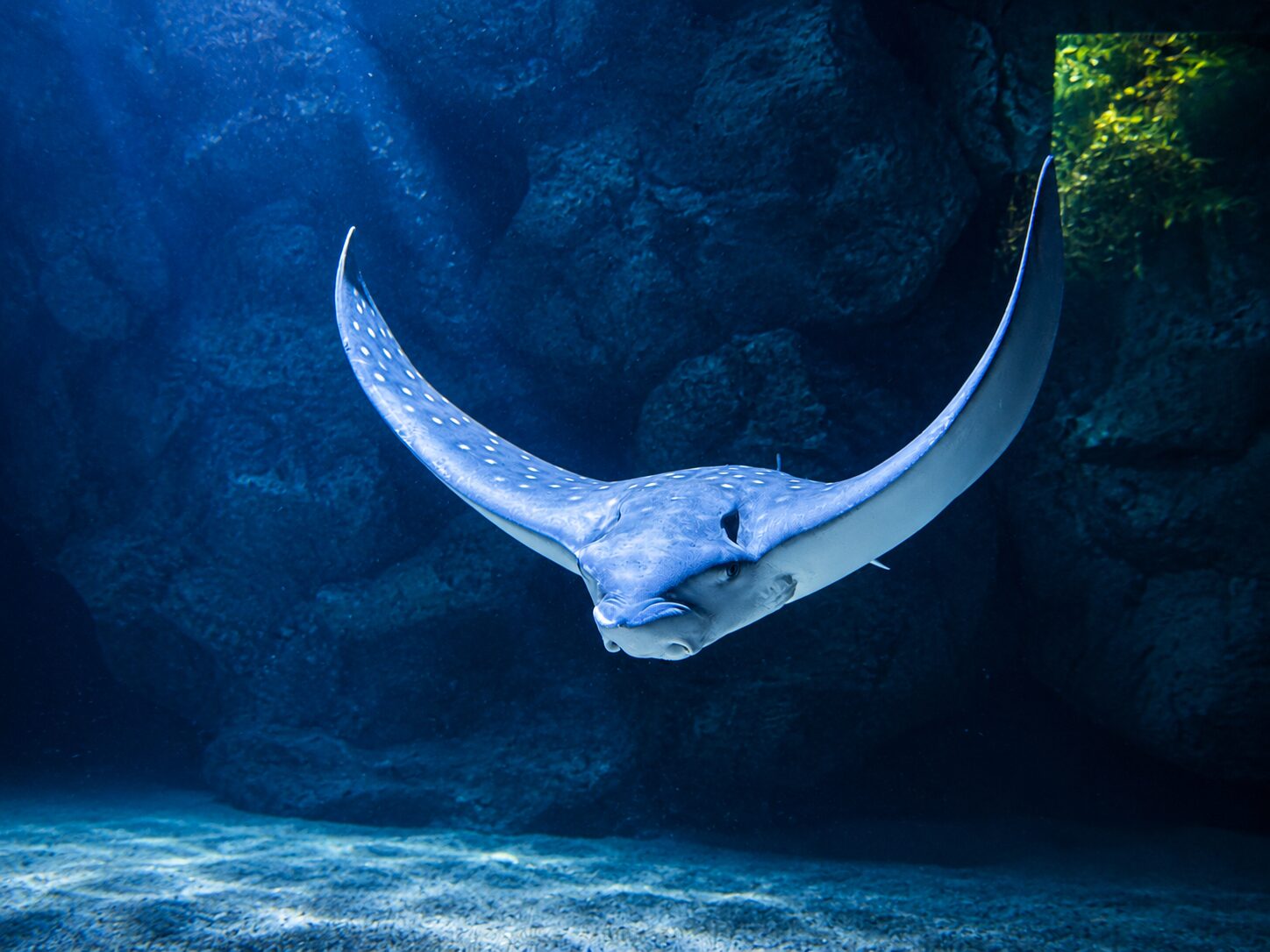
Children often recognise a ray’s movement before they know its name. Wide fins rise and fall like wings, the body changes shape as it turns, and the pale underside can suddenly appear against the glass. It is one of the easiest animals to watch as behaviour rather than as a static exhibit.
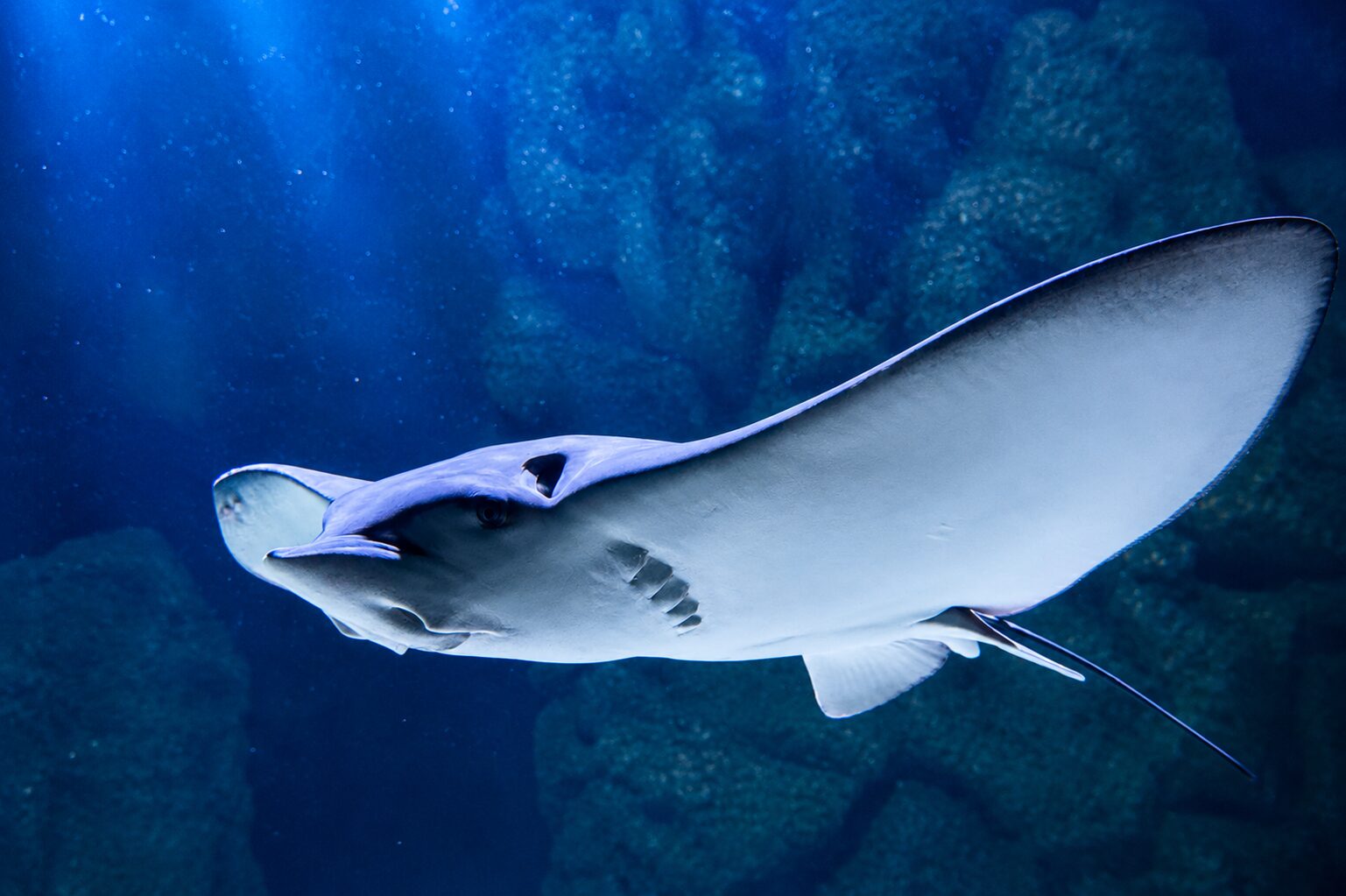
Ask where the eyes are, which direction the ray is travelling and why its mouth is underneath. Avoid tapping on glass or encouraging an animal to react. The official rules prohibit touching animals, and flash photography is not allowed. A better photograph usually comes from waiting for the animal to enter the frame naturally.
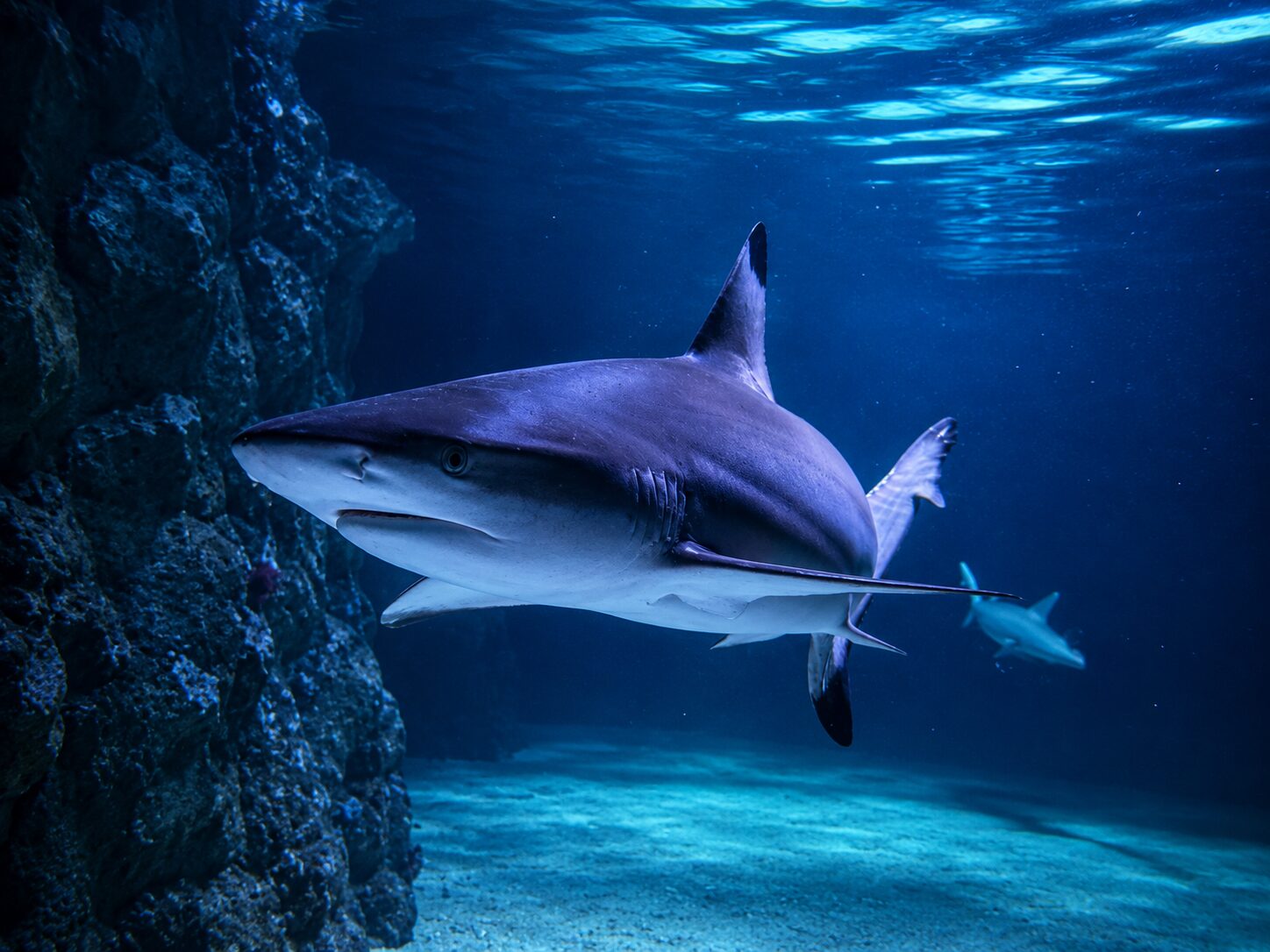
If your children arrive convinced that sharks are the only serious attraction, the rays may be what changes their mind. For adults wanting the wider Adriatic context, our article on sharks and Croatia separates familiar myths from reality.
Small, Bright Animals Restore Attention
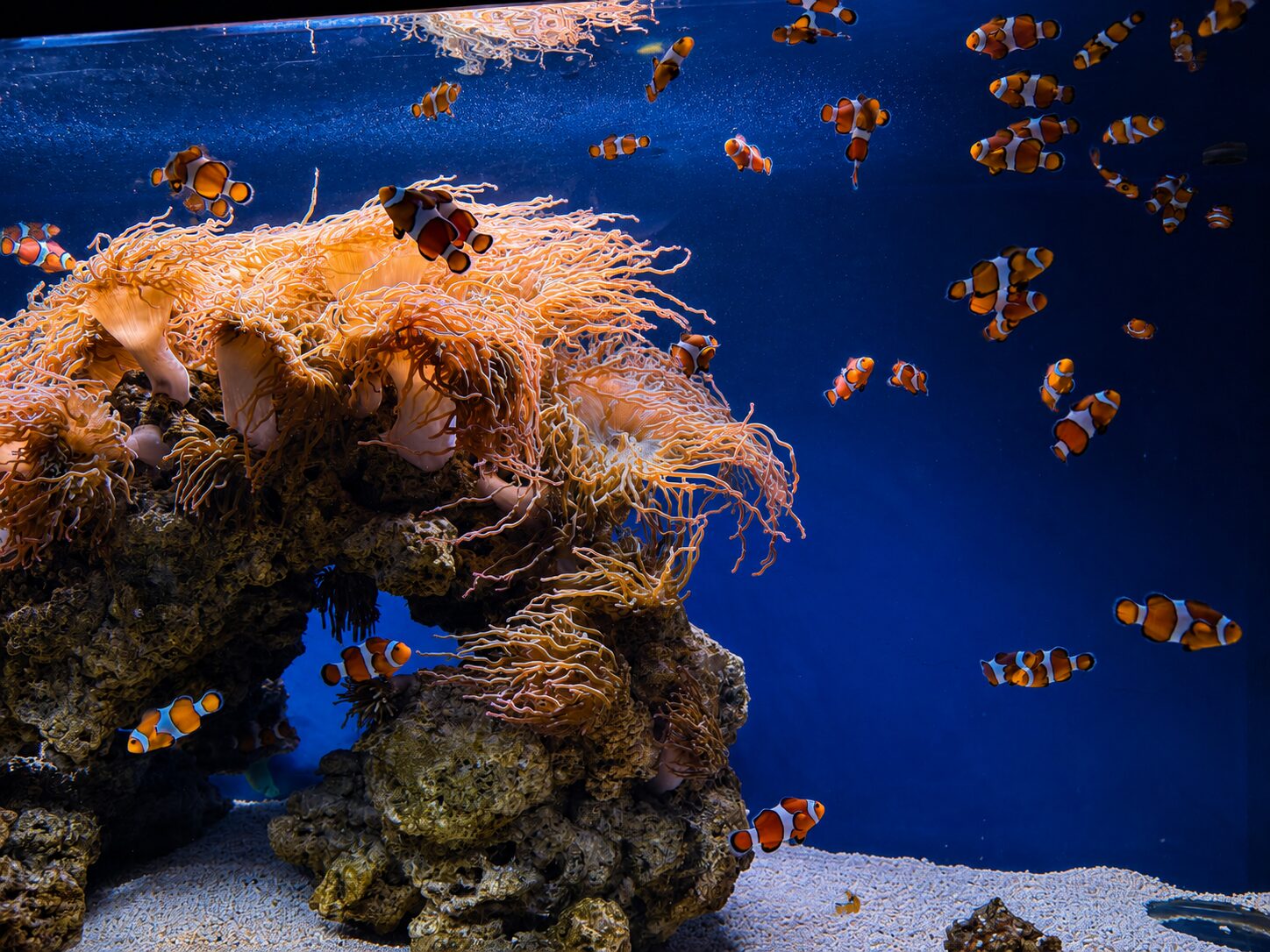
Large tanks create awe; small recognisable fish create conversation. Clownfish reward children who look closely at one patch of reef instead of scanning the whole tank. Their colour is immediate, their movements are readable, and many children already carry a story about them.
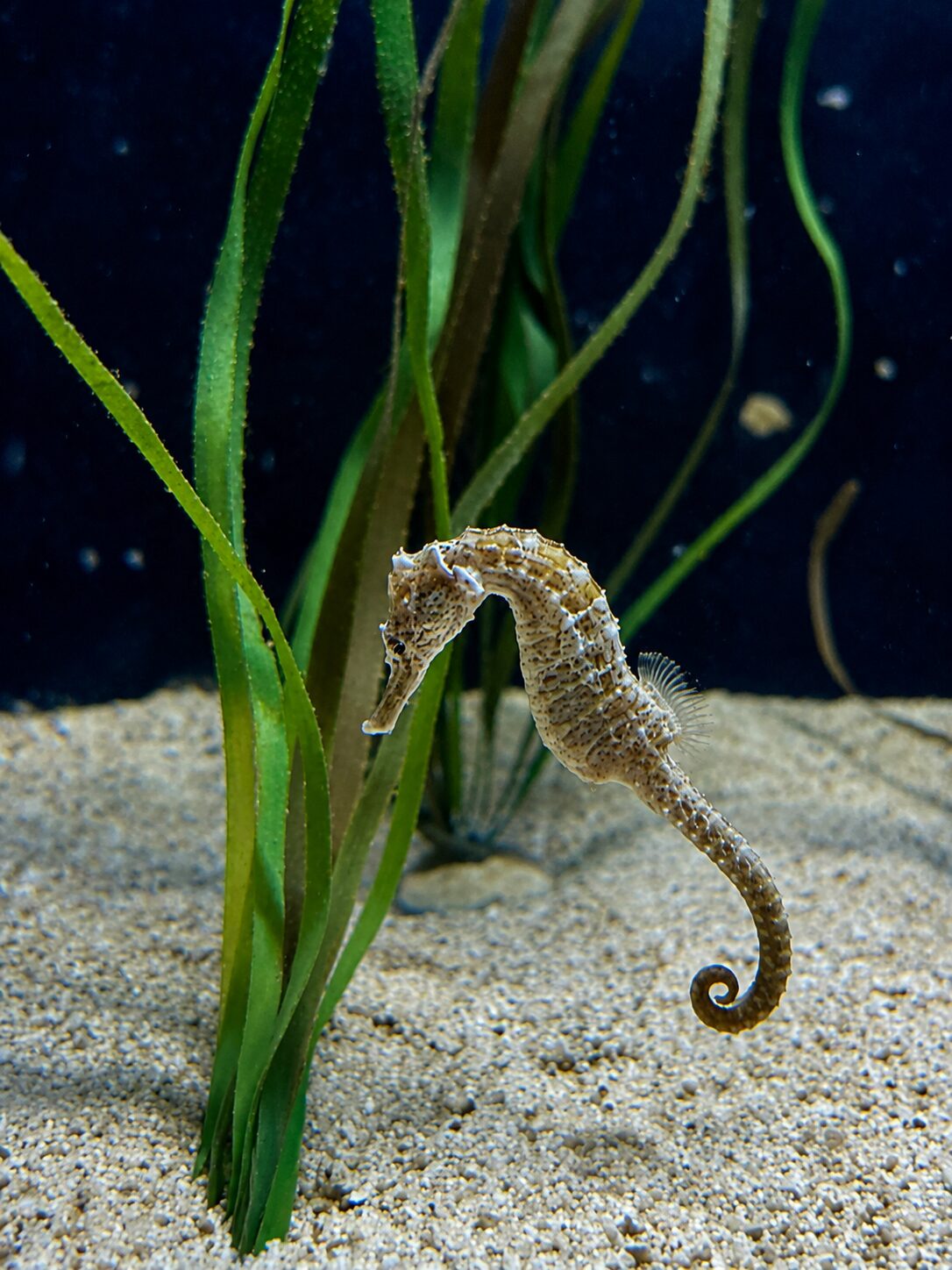
Seahorses do the opposite. They reward patience. Find the curled tail first, then the head, then the almost vertical posture. This is a good point to give siblings separate jobs: one finds the smallest animal, another finds the best camouflage, and someone else notices how water moves the plants.
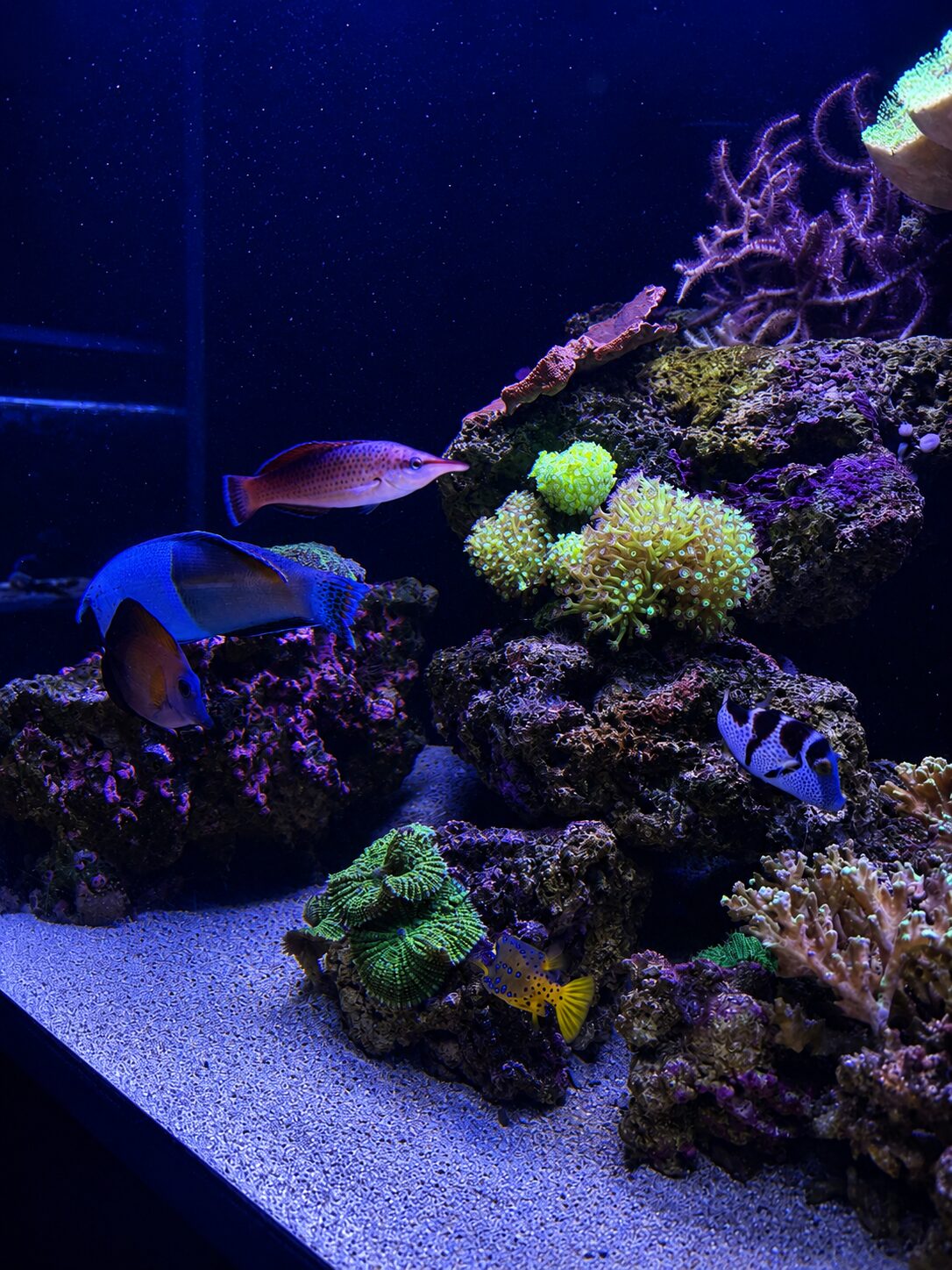
Battery San Giovanni also gained a permanent Tropical Coral Reef exhibition in May 2026. The official aquarium describes three pools with corals and tropical fish. It is a useful second wind late in the route: colour, layered habitats and many small discoveries instead of one single star animal.
The Strangest Face May Be the One They Remember
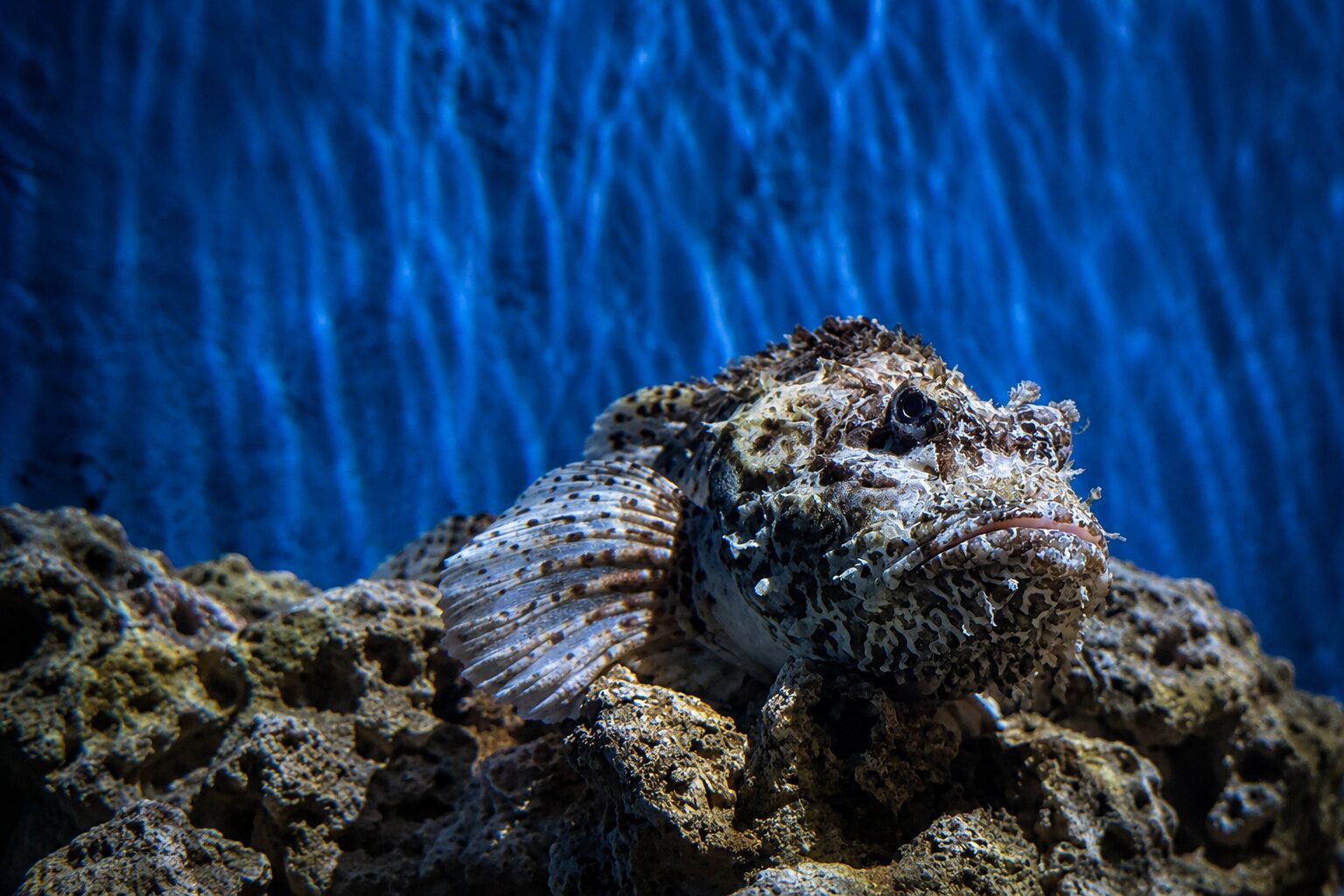
Children are excellent editors. The animal remembered at dinner may not be the largest or rarest; it may be the fish with a theatrical mouth, rough skin or an expression that looks permanently surprised. Do not correct the instinct to find an animal funny. Humour is often the bridge to a more serious question.
Try asking for a family award: best swimmer, strangest shape, best camouflage, funniest face. There is no official answer, and that is the point. The game gives children a reason to compare what they have seen without turning the visit into a quiz.
When Live Tanks Blur Together, the Fort Changes the Medium
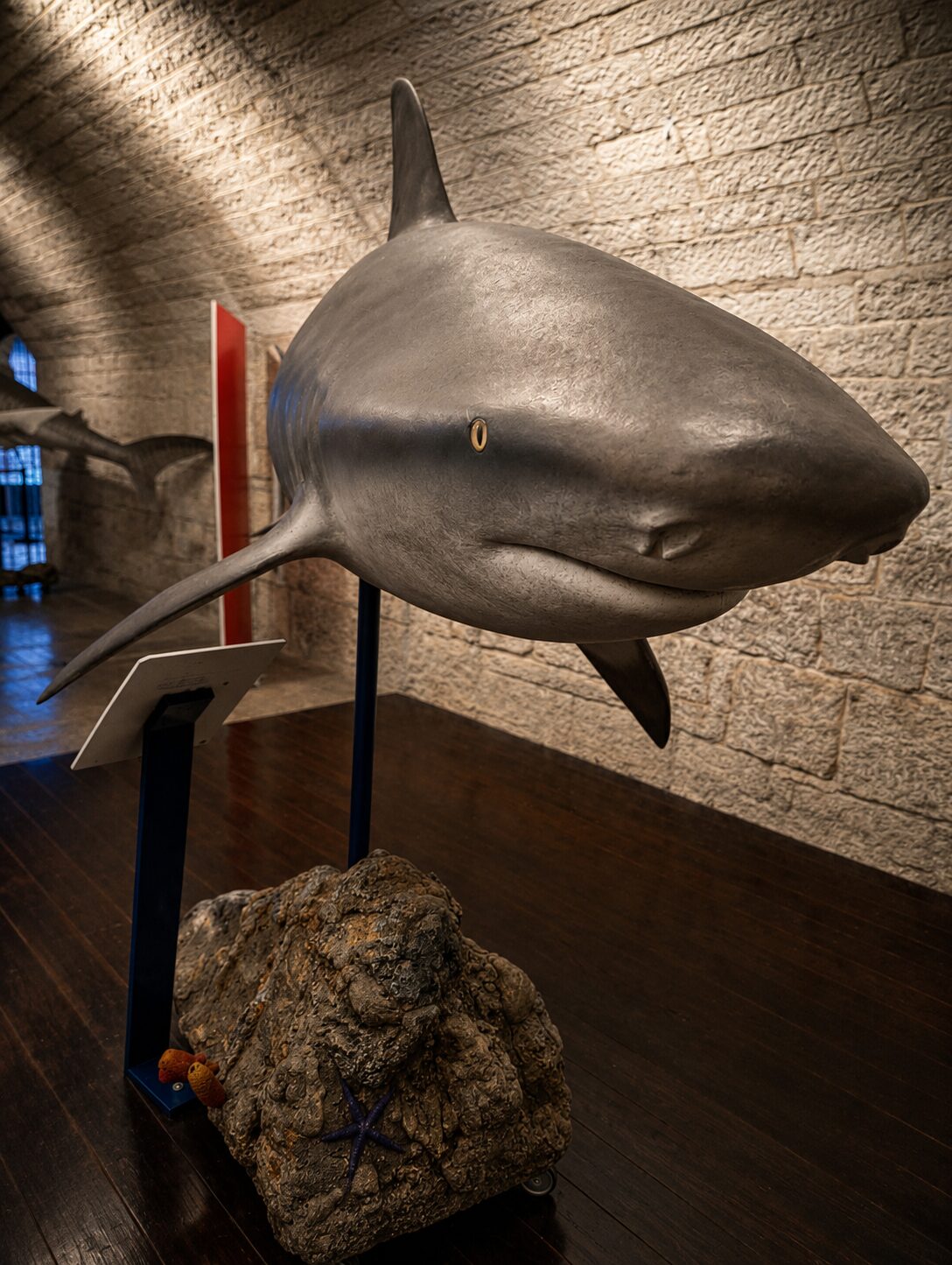
After enough blue tanks, even enthusiastic children can experience aquarium fatigue. Fort Verudela helps because the visual language changes. Suspended models, specimens, stone vaults and historical spaces interrupt the sequence. Suddenly the family is looking up instead of through glass.
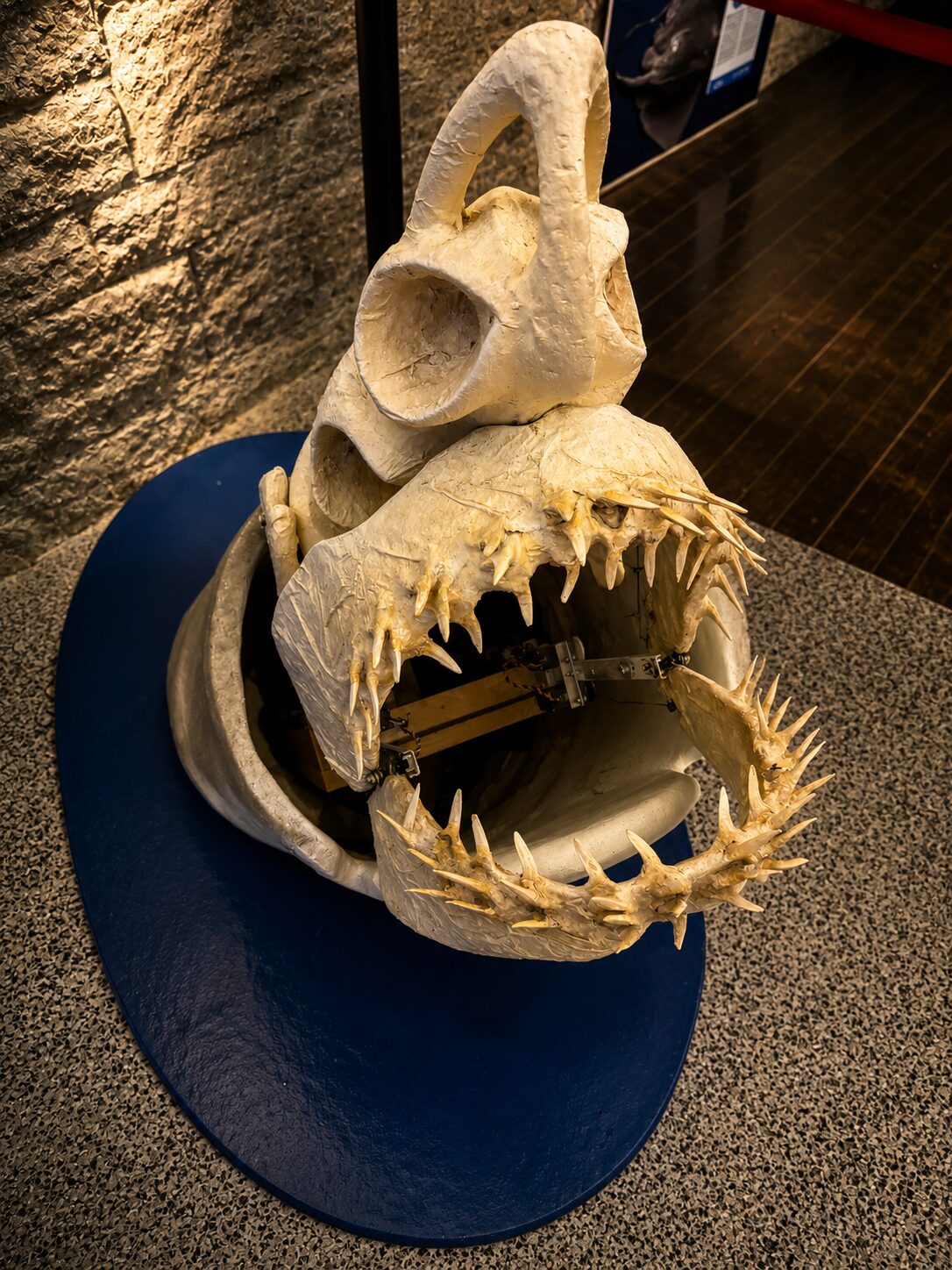
A skull can hold attention for the same reason a living jellyfish does: it makes structure visible. Compare the teeth, the size of the eye socket and the space behind the jaw. Keep explanations age-appropriate, especially for children who are sensitive to preserved animals or rescue stories.
This is also the moment to remember that not every display has to become a lesson. Sometimes “That is enormous” is a complete and accurate family response.
Reptiles Provide a Completely Different Kind of Stillness
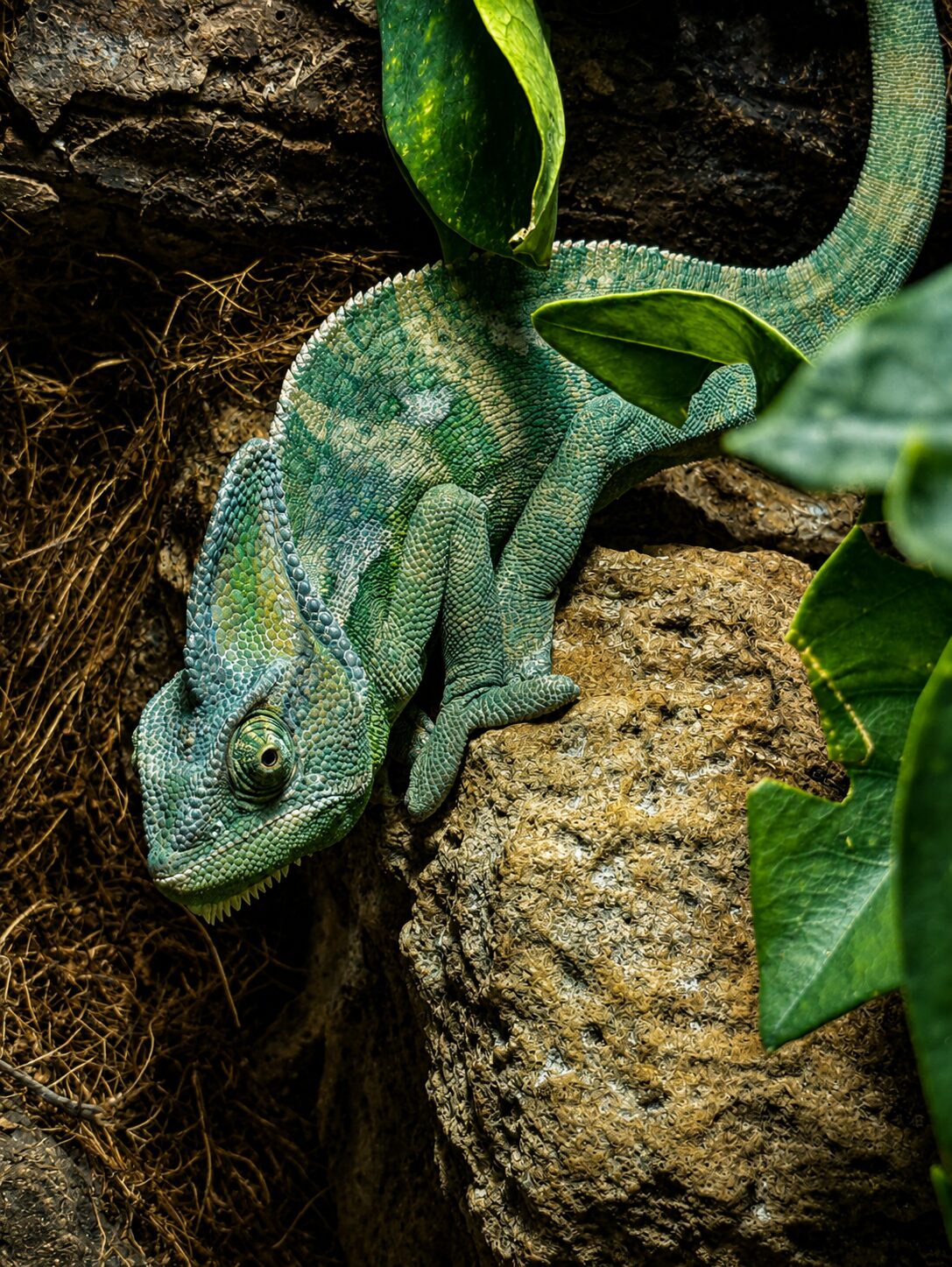
The official Aquarium Pula complex includes tropical freshwater and reptile displays as well as marine life. That shift can revive a child who has stopped noticing another school of fish. Reptiles require a different search: look for an eye, a tail or a change in texture that separates an animal from bark and leaves.
In the summer activity programme, caiman feeding is scheduled on Fridays at 12:30 in Battery San Giovanni, immediately after the noon shark feeding. Treat schedules as useful anchors, not guarantees; arrive early, follow staff instructions and recheck the official page before setting out.
The Rescue Story Needs a Gentle Introduction
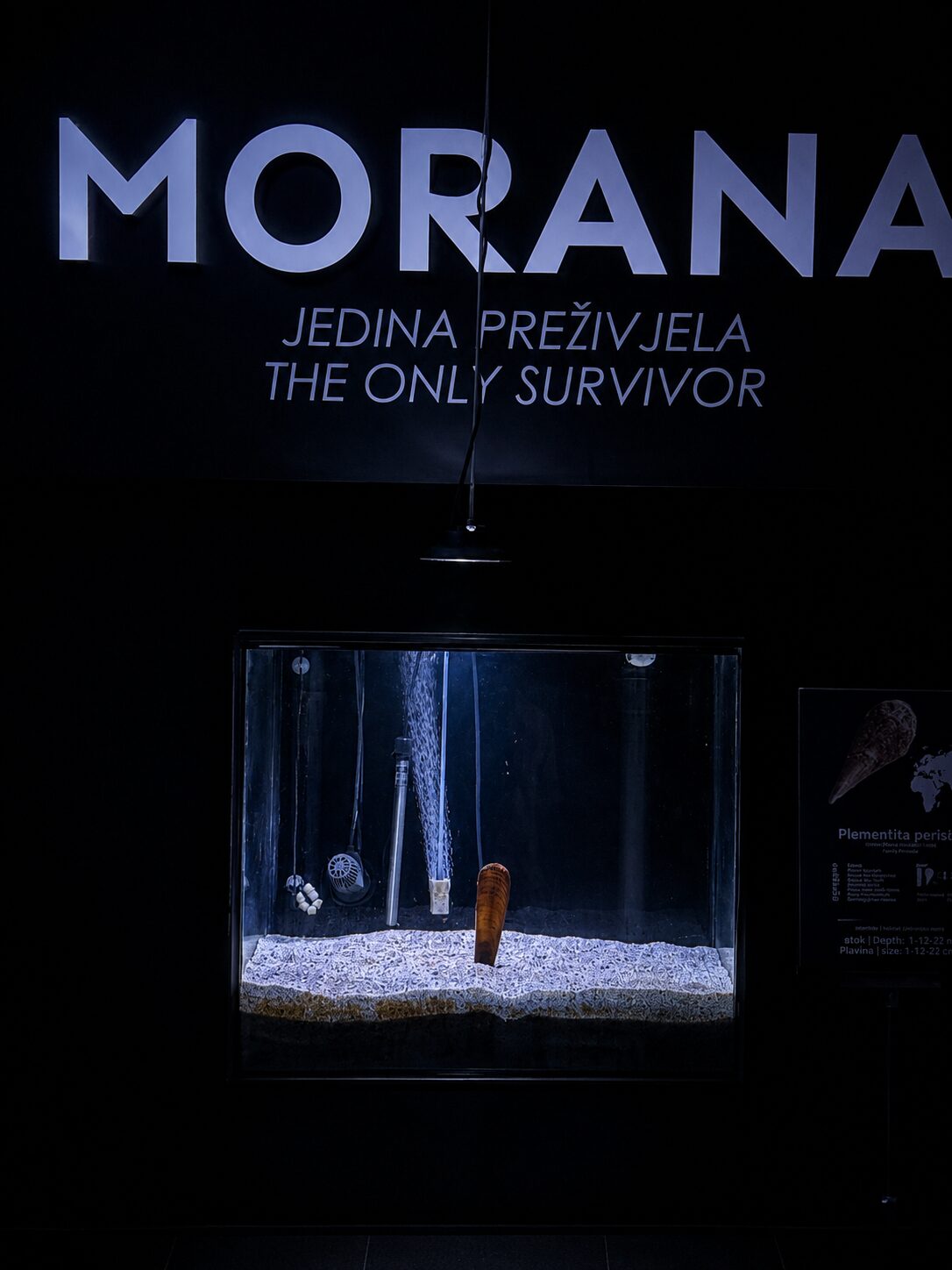
Aquarium Pula is more than a display collection. Its Wildlife Rescue Centre cares for reptiles, with the aim of rehabilitation and return to nature when possible. The institution also works with sea turtles and the critically endangered noble pen shell. Ticket income supports conservation activities and the maintenance of the historic fortifications.
For children, explain rescue work without promising a particular animal will be visible. Patients change, rehabilitation comes first, and a successful outcome may mean that an animal is no longer there. In May 2026, six recovered loggerhead turtles were returned to the sea—a much better ending than permanent display.
A useful question is not “Why can’t we see more?” but “What would this animal need before it could go home?” That turns absence into evidence of the centre’s purpose.
A Family Route That Protects the Second Half
The official recommended visit is 2 hours 30 minutes. With young children, the same duration works better as a rhythm than as a target. Use one clear highlight in each phase and permit a reset before attention collapses.
| Phase | Family focus | What usually works | Reset signal |
|---|---|---|---|
| First 40 min | Fort reveal and first tanks | Let children choose one animal to watch properly | They begin racing past windows |
| Middle hour | Jellyfish, rays and small discoveries | Observation games and one scheduled activity | Questions turn into complaints |
| Final 50 min | San Giovanni and a favourite repeat | Reef colour, reptiles, then outside space | The best memory has already happened |
Same-day re-entry is allowed if you retain the required ticket or receipt, according to the official FAQ. That makes a proper pause possible rather than theoretical. Confirm the current procedure at the entrance.
2026 Summer Activities Worth Timing
From 1 July to 1 September, except on public holidays, the official programme lists weekday activities. Check again on the day because animal welfare and operating needs can change a schedule.
| Day | Time | Activity | Location |
|---|---|---|---|
| Monday, Wednesday, Friday | 12:00 | Shark feeding | Battery San Giovanni |
| Tuesday, Thursday | 13:00 | Stories about marine invertebrates | Fort Verudela courtyard |
| Friday | 12:30 | Caiman feeding | Battery San Giovanni |
Tickets and Opening Hours for 2026
The following individual ticket prices were shown on the official website when checked on 22 July 2026. Prices can change, so verify them before purchase.
| Individual ticket | 2026 price |
|---|---|
| Adults | €25 |
| Students and visitors aged 65+ | €20 |
| Children aged 7–18 | €20 |
| Children aged 3–6 | €16 |
| Children under 3 | Free |
In July and August 2026, the official opening hours are daily from 09:00 to 22:00, with last entry at 20:30. Hours are shorter in other months; use the official opening-hours page for your date. An evening visit can be calmer and cooler, but families should still allow enough time before last entry.
Practical Details Parents Will Actually Use
Location: Verudella 33, about 4 km from central Pula. City buses 2a and 3a, taxi and car are listed by the aquarium as access options.
Parking: the aquarium has free parking for up to 20 vehicles, with other parking areas within roughly 400 m. The official FAQ warns that spaces fill quickly during summer bad-weather periods.
Babies and small children: baby-changing facilities are available by the toilets. Strollers are permitted, but narrow fort passages make the designated courtyard parking point worth considering.
Food and breaks: seasonal bars operate from June to October, and the complex includes drink and snack machines, a free drinking-water point and a children’s playground behind the café bar. Do not carry food or drinks into exhibition spaces.
Photography: personal photography is allowed without flash. Keep children from tapping on glass or blocking narrow passages while composing pictures.
Weather strategy: Aquarium Pula is a strong hot-day or uncertain-weather option, but it becomes especially busy when rain drives families indoors. Early arrival or a later summer slot can reduce pressure.
If Pula is one stop in a wider holiday, compare it with our guide to why Labin and Rabac belong on an Istrian itinerary and our family-friendly ideas for outdoor activities around Rabac.
End Outside, Where the Fort Meets the Sea
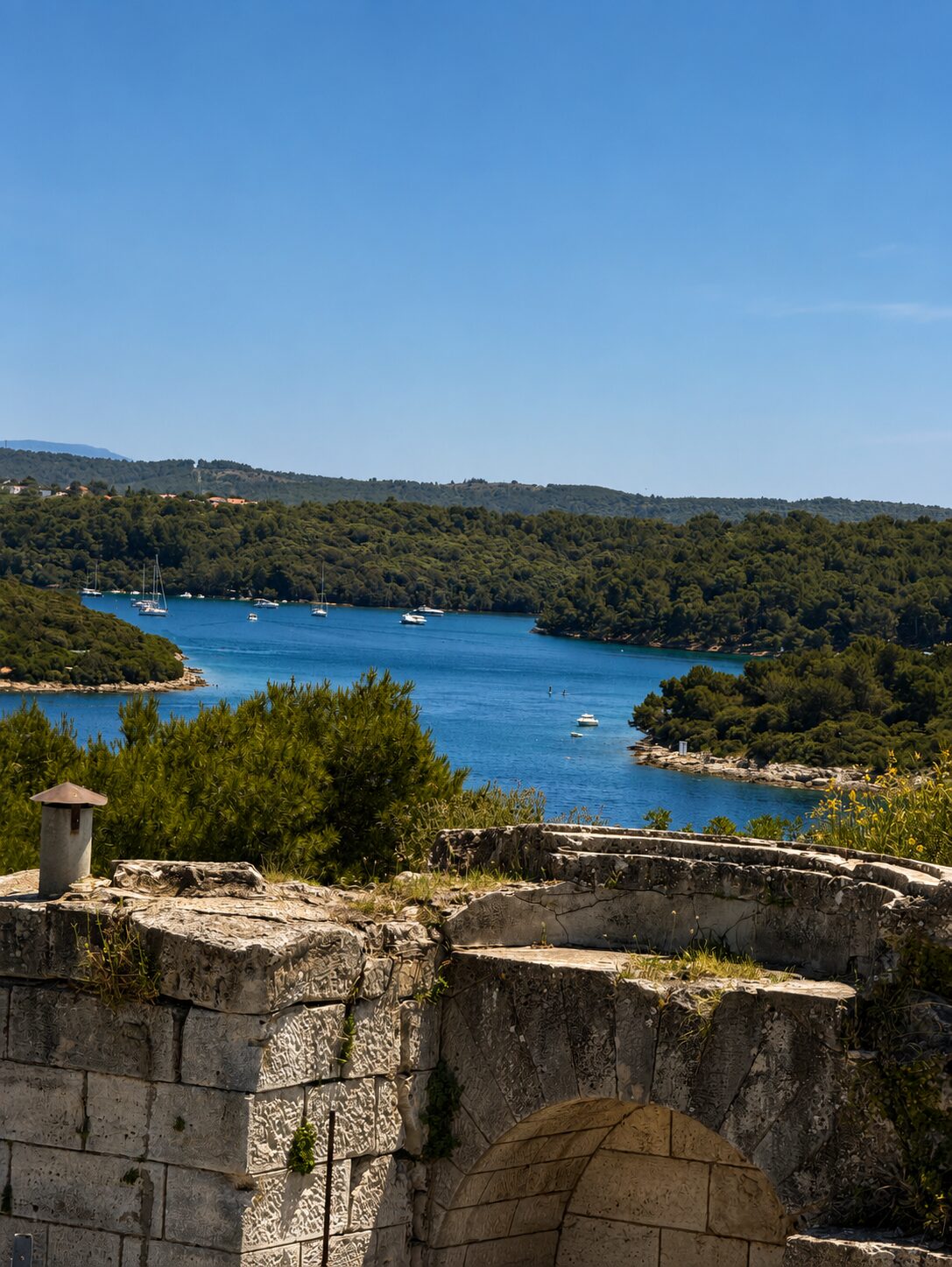
The best final exhibit may be the setting itself. After dark tanks and stone rooms, daylight, trees and the view toward the sea reset everyone’s senses. Let children move, drink water and choose the animal they would bring back as a story—not as a pet.
This is also where the aquarium’s combination becomes clear. The animals are not housed in a neutral box. They are inside a defensive landscape built for an entirely different purpose, now maintained partly through the same tickets that support conservation work.
Frequently Asked Questions
How long should a family allow for Aquarium Pula?
The aquarium recommends 2 hours 30 minutes. Allow closer to three hours if you want a scheduled activity, a snack break or time on the playground.
Is Aquarium Pula suitable for toddlers?
Yes, especially for short observation stops, but the historic fort has narrow passages and changes of level. Use the changing facilities, consider leaving the stroller in the courtyard, and do not insist on completing every room.
What do children usually enjoy most?
Every child is different, but movement, colour and unusual shapes make jellyfish, rays, clownfish, seahorses and reptiles strong attention-holders. The fort itself is also part of the adventure.
Can we leave and come back on the same day?
The official FAQ says same-day re-entry is allowed with the appropriate ticket or receipt. Confirm the procedure at the entrance and keep all documents.
Is there a sea turtle feeding show?
Do not plan around seeing or feeding a particular rescued turtle. Rehabilitation and animal welfare determine what is visible. The published summer programme lists shark feeding, invertebrate demonstrations and Friday caiman feeding.
Is Aquarium Pula good on a rainy day?
Yes, but it can become crowded precisely because many families make the same decision. Arrive early, consider public transport or taxi, and expect parking to fill.
Final Thoughts
A successful family visit to Aquarium Pula is not measured by the number of labels read or rooms completed. It is measured by whether a child leaves with a clear image: jellyfish pulsing in blue light, a ray turning above them, a seahorse holding on, or a shark shape suspended beneath a stone vault.
Follow those moments. Use the scheduled activities as anchors, not obligations. Take the break before everyone needs it, and allow the strange old fort to do as much work as the animals.
Adults may remember that the aquarium covers two buildings, preserves historic fortifications and contributes to conservation. Children may remember the fish with the ridiculous face. Both versions of the day are true—and together they are what makes Aquarium Pula such a reliable family stop.